
TDRI chief vows big step forward into 'new era'
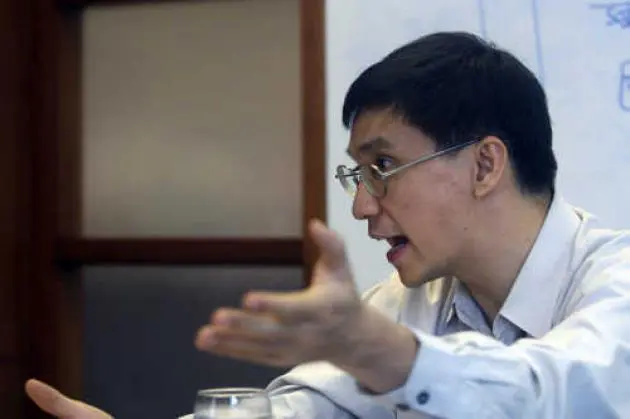


The Thailand Development Research Institute's new president Somkiat Tangkitvanich promises to lead the think-tank into a new era whereby researchers - backed by extensive data collected in the past 28 years - will conjure up creative projects to address
“A new, thorough system must be in place to address national problems like the country’s competitiveness, poor educational scores, corruption, and welfare. While our researchers come up with the issues, the opinions of related parties will be gathered to complete a new research programme. We need to focus on big issues and ensure continuity, to come up with clear and realistic recommendations,” he said.
These issues need to be researched extensively for three to five years, and it is necessary to have a process to distribute the research to media and through public discussions. To ensure that the recommendations are translated into action, researchers also need to come up with practical recommendations that can be implemented by policy-makers.
New issues could cover economic-development strategies in light of weak intellectual-property protection, cheap labour, imported technology, blind reliance on exports, and environmental concerns. As competition in the global marketplace is getting much fiercer, the national development model must be reshaped as Thai businesses need to adjust to higher wages, depletion of natural resources and global warming.
To assist in this, research must be focused on macroeconomic and fiscal measures, micro-research on productivity and legal amendments, and new social benefits that fit the era of globalisation and greater variables.
He expects collaboration from many parties to ensure equal access to quality education, enhanced individual productivity, and creation of jobs desirable in the 21st century.
“So far, we’ve put our emphasis on the midstream process, which is research. We’ve been weak in upstream [formulating research issues] and downstream [public distribution],” he said.
He added that the TDRI’s work philosophy needed to adapt to the real world, when the voices of all parties should be taken into account. The institute has so far been commissioned to complete research as assignments from government agencies. Somkiat considers that one-way work is not practical when the economic and political environment changes, which influences a big change in the policy-making process.
“After 28 years, the TDRI is now at an adolescent stage, backed by the experience of accumulated achievements. We’re now ready to take a step forward, to help society analyse and push forward public policies for the benefit of all people,” he said.
