
Trade officials rejig strategy for Europe
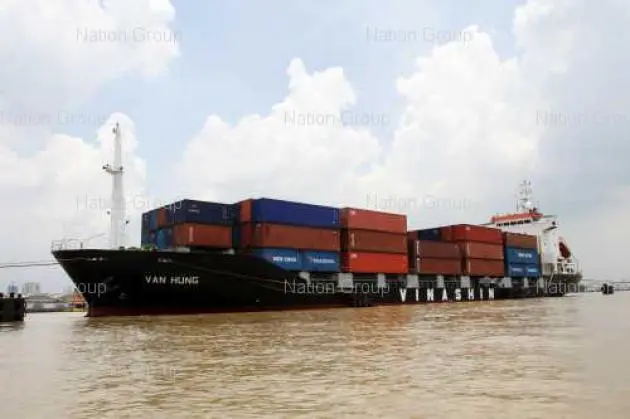


Plans already drawn up to protect exporters from euro crisis next year.
With demand collapsing in mature markets and the European Union (EU) looking more likely to slip into recession, the International Trade Promotion Department will retune its marketing strategy to promote Thai products in new markets and ensure export growth to those countries next year.
Srirat Rastapana, director-general of the department, said last week that Thai shipments should not suffer from the euro crisis next year as the department has already drawn up plans to penetrate emerging markets and increase opportunities in developed markets.
According to the department, Thai exports to the EU market are expected to grow by 5 per cent this year and 3-5 per cent next year. Exports from Thailand to the EU15 declined by 12.8 per cent year on year to US$16.38 billion (about Bt501 billion) in the first 10 months of this year.
The EU is now the fifth largest market for Thai goods with the EU15 accounting for 8.5 per cent and the EU12 for 1 per cent.
Under the new export strategy, the department will promote small indulgences and affordable luxury goods instead of high-end products. This is because European consumers may be losing purchasing power but they still want to maintain their lifestyle, so they will seek substitute goods and cheaper products.
European consumers may also elect to cook more at home rather than dine out at full-service restaurants, so ready-to-eat foods will have a better chance to grow in the market. Also, EU consumers will delay purchasing a new car or home, so demand would pick up for maintenance parts, auto parts and home decorative items.
The second plan is to focus on niche markets such as senior citizens, those looking to lose weight, the disabled, Hispanics, Muslims, Jews and specific organisations and institutions such as hospitals, jails and the military. Products with good potential are functional foods, health foods and green or organic products.
The department will also cultivate new areas by holding more export promotion activities to replacing existing markets that are facing slower growth. The targeted markets are Birmingham and Manchester in England and other Eastern European countries.
It will also support Thai companies to invest in production and distribution facilities and to establish representative offices in those markets. Thai producers would also be encouraged to source capital goods and raw materials to supply manufacturers in the market.
The government will negotiate to eliminate barriers and increase exports under free-trade agreements, he added.
