
Changing farm scene in China a boon for Thai exporters?
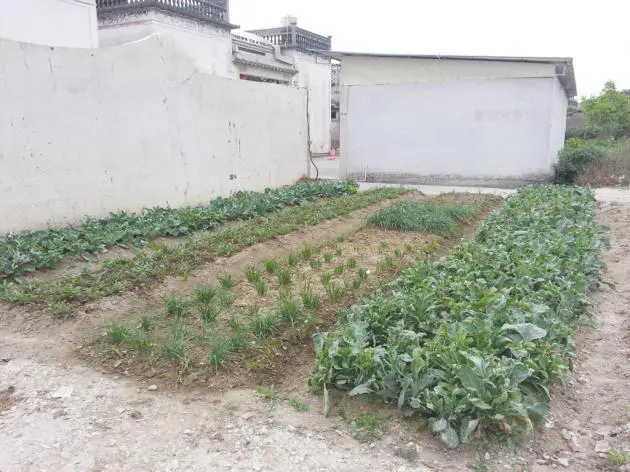


More rural Chinese people are turning their backs on agriculture in search for higher-paid jobs in factories, confirming the expectation that China would soon rely more on food imports in the future
Fang Kim Jua, 44, an employee of a construction company in Paoleng, Shantou, said his family has been allocated two rai of land for growing crops for daily consumption. However, with no time to take care of the land, he allows others to rent it. But nobody wants to rent the land because of higher costs of production and labour.
"The land has been ignored as I don’t have time to grow plants. I prefer to become an employee as I don’t need to invest in [seed to grow] crops and I will get payment promptly," he said.
Fang said he receives better payment from his employer following a higher labour wage policy. To spend time on growing crops does not assure he’ll be able to feed his big family.
According to the Thai Rice Exporters Association’s report, China is facing higher demands to import more rice each year due to increased demand and consumption. However, the import sources are not necessarily in Thailand, but focus on cheaper rice from Vietnam, Pakistan, and Myanmar.
The United Nation’s Food & Agriculture Organisation also reported recently that rice purchases by China would increase continuously as a government policy to support farm incomes driving up domestic prices.
As of November last year, the US Department of Agriculture expected that China would be a net importer within this year. Its demand for rice imports would increase to two million tonnes a month from an average of 1.5 million tonnes.
Shua Hong Bing, a rice wholesaler and retailer in Beijing and Shantou, said he has to increase imports of rice to serve the high demand of Chinese consumers.
"Fewer numbers of Chinese people have grown rice to feed their families. The lifestyle has changed. People are living in the city and prefer to purchase rice and other vegetable crops rather than grow their own," said Shua.
He advised Thai exporters to take this opportunity to promote Thai rice and foods to serve the rising demand from Chinese consumers.
More Chinese people will tend to rely on imported food – not only rice that Thailand should focus on for China, but also other agricultural crops, processed foods, and fruit.
Thailand’s International Trade Promotion Department’s data has shown China is Thailand’s largest market for agricultural products. Imports of agricultural products from Thailand to China rose 30.11 per cent to US$37.64 billion during the first two months of this year.
Last year, exports of agricultural products from Thailand to China dropped 12.4 per cent to $180.26 billion.
