
Biz Buzz


Play
For Thai or foreign fimrs, IP violation can be a headache Intellectual-property violation can be a headache for companies of all sizes, no matter where they are in the world.
When Starbucks filed a lawsuit against the two owners of Starbung Coffee, Thais felt sorry for the brothers.
Unlike Starbucks, which has more than 20,000 stores in more than 60 countries, Starbung Coffee is sold only on a street in Bang Lamphu. While the US coffee giant said these brothers should not have come up with a logo that looks much like Starbucks’, Thais said this should be a non-issue given that Starbung is such a small brand. We’ll see this week how this case turns out.
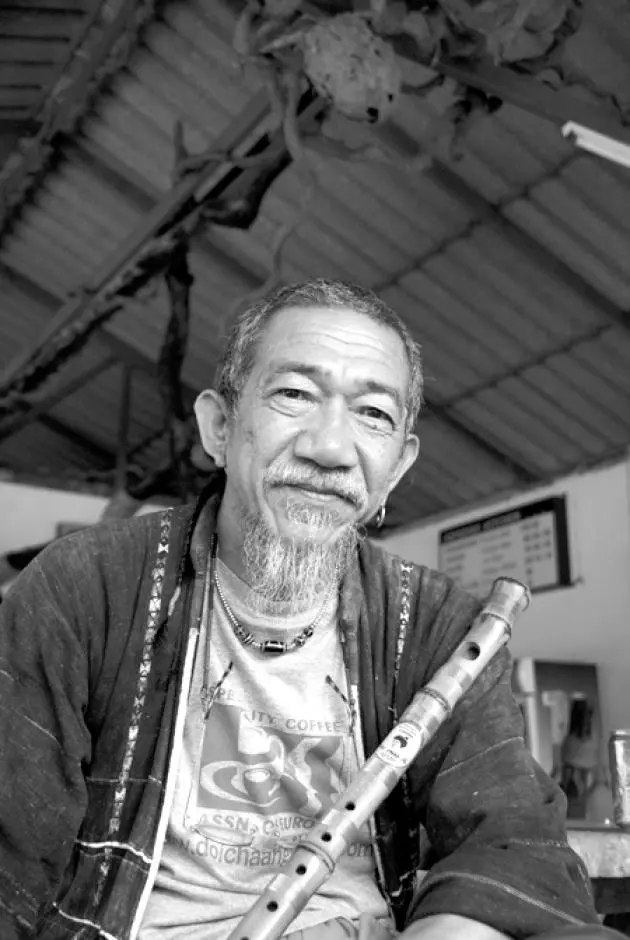
However, do Thais feel the same about small vendors in Japan and South Korea that created logos that look much like the logo of Doi Chaang, a Thai coffee brand?
If they do, it must be heartbreaking for Wicha Promyong, president of Doi Chaang, who has helped promote the brand overseas for the benefit of the farmers who supply it. He has travelled a lot to make the brand accepted in Europe, even before it became known among Thai coffee drinkers.
But now that the brand is better known, some vendors overseas are selling products under logos that look much like Doi Chaang’s. According to Wicha, minor changes – like some extra words – are added to the logos to make them different.
So far, he has won IP-violation cases in Japan and South Korea. Another case is ongoing in China.
It seems he is fighting hard for IP protection. But why? For greater wealth?
He said that four years ago, a company offered him US$6 million (about Bt190 million) for a 50-per-cent stake in Doi Chaang, and his answer was ‘No’. His children have been strictly told not to sell their shares but to grow the business.
The punch line is: “I didn’t sell it as I spend little.” But if Doi Chaang becomes more famous and more IP-vio?lation cases come up, will the spending pattern stay unchanged?
Coal businessman worried about shark population
In the regional coal industry, Banpu is a major player, with coal mines in several countries from Mongolia to Australia.
The company has been a target of environmentalists, as carbon emission has been on the rise, apparently through higher consumption of fossil fuels including coal. Banpu’s long-time chief, Chanin Vongkusolkit, is aware of that. But let’s give him a break on environmental issues. When he was in Indonesia recently, he appeared to be worried about the shark population.
A guest of Bangkok Bank in Indonesia, he was taken to a luncheon ceremony at the opening of the bank’s Medan sub-branch on the island of Sumatra. Part of the fancy menu for important guests was shark-fin soup.
During the lunch, he seemed happy with the Chinese dishes, but a secret was revealed later.
“You shouldn’t have missed the soup. It was delicious,” he told reporters after the luncheon. “I liked it but you know, I’ve stopped eating shark-fins in soup for many years because I don’t want to be part of the killing of sharks.”
He did finish the soup – but he left the big piece of shark fin in the bowl. Unfortunately, our reporter forgot to ask if the soup was good without the fin.
THIN LINK BETWEEN RICE PLEDGING |AND AMNESTY BILL
On any protest stage, it is not unusual to find speakers sharing the same opinions. Aside from (former) Democrat MPs, the anti-government protest last week welcomed Prasith Boonchuey, president of the Thai Rice Farmers Association.
We already knew that he is one of the few farmers against the government’s rice-pledging scheme. On the stage, he won a loud cheer when saying, “All professions including farmers have ethics. For the sake of the nation, we’re ready for the abolition of this scheme, as the government is running out of money. But I don’t understand why some politicians still insist on the scheme’s benefits and will proceed with it. Are they trying to milk money from it?”
Though opposition to the amnesty bill was his justification for appearing on the protest stage, his real discontent was the rice-pledging programme. But he could have attacked the government more fiercely if the bill was meant to grant amnesty for corrupt rice deals.
