
Mission to brief EU on fishery progress


Play
THE Commerce Ministry will send an urgent mission to the European Union this week to explain Thailand's endeavours to solve the problem of illegal labour practices, hoping the EU will give the country a clean bill of health by an October deadline.
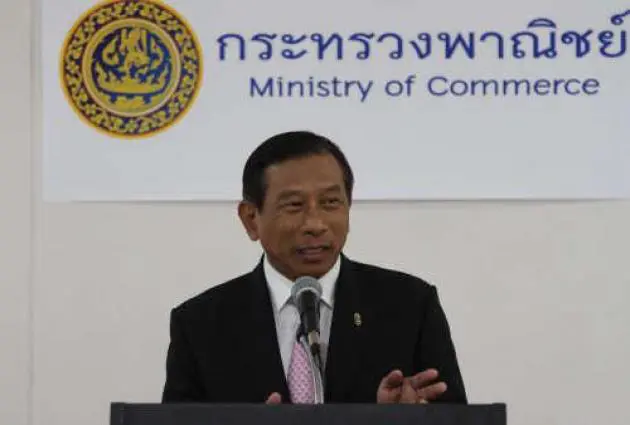
Commerce Minister Chatchai Sarikulya said yesterday that he had assigned his deputy Apiradi Tantraporn to lead officials and company representatives to the EU to meet with representatives of the European Commission and European importers.
The aim is to send a clear message about how serious the country is in addressing accusations of slave labour and focusing on environmentally friendly fishing.
The government has made many attempts to stamp out illegal hiring practices and should soon come up with strict law enforcement to solve the problem, Chatchai said.
On the issue of slow export growth, he said the problem should be bottoming out soon, as March exports declined more slowly, by about 4 per cent, after February’s dropped by 6 per cent.
The ministry will soon release a revised export target for this year after talks with business operators from each industry this week, he added.
Nuntawan Sakuntanaga, director-general of the International Trade Promotion Department, said 63 Thai trade officials overseas had proceeded to explain to trade partners in their respective countries about Thailand’s fishery industry to minimise the impact on seafood shipments after the country was warned by the EU about illegal fishing.
Importers of marine products used in the seafood industry are not worried yet, but importers of processed seafood have expressed some concern to Thailand about this problem, he said.
Suphachai Chearavanont, chief executive officer of True Corp, said that despite this problem, Thailand still had a chance to prove to the world that its fishery industry maintains high standards and to show the world the quality of its seafood products. Thailand should take this opportunity to show the country’s potential to become the world’s major supplier of fish and create a good image in the market.
The government should also closely cooperate with the private sector to promote Thai products in many markets, not only in the EU, such as Asian countries with their emerging economies and growing demand for fishery products, he said.
The Commerce Ministry yesterday kicked off the “Big companies help SMEs” project. The country’s leading conglomerates – Thai Beverage, Saha Group, Charoen Pokphand Group, Central Group and Loxley – will help train 50 small and medium-sized enterprises to penetrate overseas markets.
Suphachai said large companies with extensive experience could help local SMEs explore world markets, since the global market offers great opportunities for Thai enterprises to expand.
The local market is fairly small, so Thai firms should develop themselves to go international amid the globalisation trend, he said.
However, business operators should copyright their brands and register their logos before venturing abroad to prevent intellectual-property problems, he added.
Peerush Jarugosol, managing director of ATMS Group, a low-scale designer of jewellery and ornaments, said he would like to learn from giant firms about establishing a foothold in overseas markets. Under the project, the firm will promote its Princess’s Charm brand to retailers overseas, escorted by Central Group.
