
Print media ‘must adapt’ to digital age
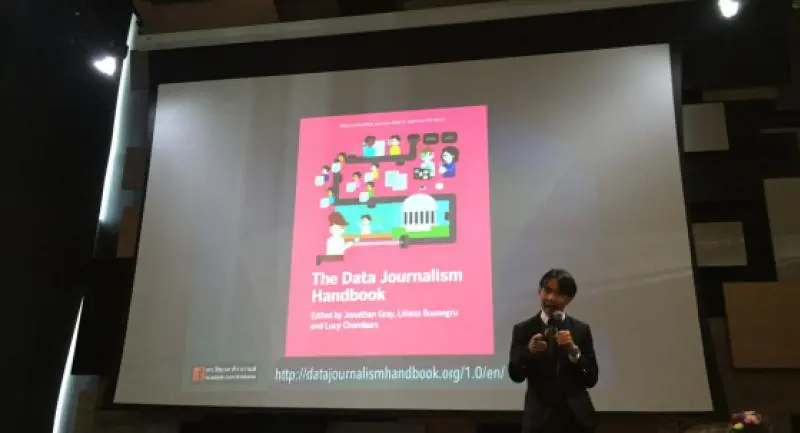


CHALLENGED by new media, print media should turn this crisis into opportunity by accepting the change and adapting a 360-degree-content marketing strategy to engage with target audiences and retain their loyalty, a seminar heard yesterday.
Media scholar Sikares Sirakan said the role of traditional media was being tested by the emergence of social media, especially in advertising.
“Besides the dollars spent, the surprising victory of Donald Trump in the recent US presidential election also raised the question about whether social media had already dominated public opinion while his rival Hillary Clinton appeared to be supported by tradition media outlets,” he said at “Print Media: Crisis Means Opportunity and the Role of a Safe and Creative Media Development Fund.” organised by the fund’s manager.
The arrival of social networks has created a new form of communication driven by user-generated content, online influencers and second-hand journalists. However, although exponential growth was anticipated, online media platforms such as electronic books and mobile applications appear to be nearly at the saturation point, he said.
Some media companies are now diversifying into new areas such as cross-platform marketing and e-commerce.
Mainstream media like newspapers must maintain their accountability as well as trust, which is hard to find in today’s social media.
“Data journalism is the future for the newspaper business,” he said.
Rasina Uberoi Bajaj, editor-in-chief of Media TransAsia, said her publishing company was putting more emphasis on content marketing to create new revenue streams from online advertising and retain readership while sales and circulation declined.
For example, she decided to cease production of the physical edition of Seventeen Thailand magazine after sales at bookstores fell by half and refocused on providing contents via online media across platforms such as a website, Facebook, Instagram, YouTube, SnapChat and Twitter.
Targeting readers aged 18-24, Media TransAsia has formed a digital team to monitor conversations daily to make sure that the team can create the right content at the right time.
“Under our content-marketing strategy, we need to create various types of content to cover the different needs of readers as well as the requirements of advertisers and brands. [This includes] native content, advertorials, games, e-newsletters, reward programmes and lucky draws,” she said.
GM Multimedia is also dealing with the decline of the print media business by offering free magazines.
Digital trends are also crucial for other businesses besides media.
Uraiporn Cholsirirungskul chief executive officer and digital transformation consultant at Mirum (Thailand), part of WPP Group, said in a separate interview that digital movements were taking place constantly and at high speed every year.
“Marketers are now familiar with using digital marketing, as social media have become the typical means of communication among people.
“Besides, making an online order or a payment barely has any effect on the online shoppers’ decision in the way that promotions and social trends do. So it isn’t wrong to conclude that both consumers and entrepreneurs have fully entered the digital application [age],” she said.
A survey of 100 CEOs conducted from September to October by Krungthep Turakij newspaper and Mirum indicated that chief executives in nearly every industry had recognised the significance of digital tools and acknowledged that businesses needed to adapt to the changes that the digital economy brings.
