
Japanese and Chinese carmakers reaffirm investment in Thailand
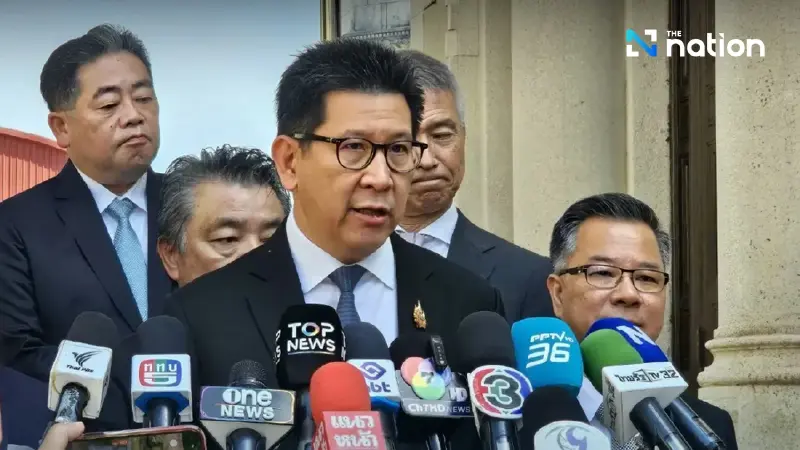


Japanese and Chinese carmakers reaffirm investment in Thailand, back an approved EV excise tax rise and seek more charging stations, Ekniti says.
- Major Japanese and Chinese automakers, including Toyota, Isuzu, BYD, and Great Wall Motor, have reaffirmed their commitment to investing in Thailand and using it as a production and export base.
- The renewed confidence from carmakers is linked to a Thai Cabinet decision to increase the excise tax on imported electric vehicles, a move seen as creating fairer competition for local manufacturers.
- This commitment helps to alleviate previous concerns that Japanese car companies might reduce or relocate production from Thailand due to intense competition from Chinese EV imports.
- Chinese manufacturers specifically plan to use their Thai factories as an export hub and are integrating local Thai businesses into their supply chains.
Japanese and Chinese carmakers have reaffirmed their commitment to investing in Thailand and using the country as a production and export base, Deputy Prime Minister and Finance Minister Ekniti Nitithanprapas said on November 23, 2026.
He said the manufacturers welcomed a Cabinet-approved increase in excise tax on imported electric vehicles, viewing it as a step towards fairer competition for companies manufacturing vehicles in Thailand.
Speaking after discussions with automotive executives and representatives at Government House, Ekniti said companies including Toyota, Isuzu, Mitsubishi, BYD, MG and Great Wall Motor had confirmed their intention to continue investing in the country.
Investment assurances follow concerns over Japanese production
The assurances follow earlier concerns that Japanese carmakers could reduce or relocate production amid intensifying competition from Chinese EV imports. In August, Thammasat University economist Archanun Kohpaiboon warned that relocation risks existed, although Thailand’s established supplier networks meant any shift would likely be gradual.
Qualifying Chinese-made battery electric vehicles have benefited from zero import duty under the ASEAN–China free-trade agreement. The tariff advantage has featured in the debate over competitive conditions facing manufacturers operating in Thailand.
The Cabinet-approved measure will raise excise tax on imported battery electric and range-extended electric vehicles to 35% from January 1, 2027. Excise tax is a separate levy from customs duty. The government says the change is intended to encourage domestic production and strengthen the automotive supply chain.
Carmakers reaffirm Thailand’s role as an export base
“Everyone confirmed that they would use Thailand as a production base,” Ekniti said.
He said Chinese manufacturers with factories in Thailand intended to use the country as an export base, with several companies already producing vehicles for overseas markets.
Manufacturers were also bringing Thai businesses into their supply chains, creating opportunities for local companies to participate in automotive production.
Ekniti said these plans complemented the Prime Minister’s trade negotiations aimed at expanding export markets for goods manufactured in Thailand. Wider market access would help strengthen the competitiveness of Thai businesses and foreign manufacturers operating in the country, he added.
The discussions also covered the industry’s contribution to national income and the need to develop workers’ automotive skills.
Manufacturers seek more EV charging stations
Asked what support carmakers wanted from the government, Ekniti said their requests included investment promotion, fair treatment and assistance with expanding EV charging infrastructure.
He reaffirmed the government’s commitment to treating manufacturers fairly and said he would discuss support for additional charging stations with the Transport Minister and Energy Minister.
The aim would be to make charging more convenient for EV users in Bangkok and other provinces.
Ekniti described the development of charging infrastructure as an important part of Thailand’s energy transition.
Biofuel development could benefit Thai farmers
Ekniti said manufacturers also supported further development of E20 and B20 fuels, which he described as alternative energy sources that Thailand could produce domestically.
He said continued development would benefit Thai agriculture, particularly sugarcane, cassava and oil palm growers, while supporting the country’s use of alternative fuels.
