
Thaksin’s first ballot in two decades puts Shinawatra spotlight on Bangkok vote
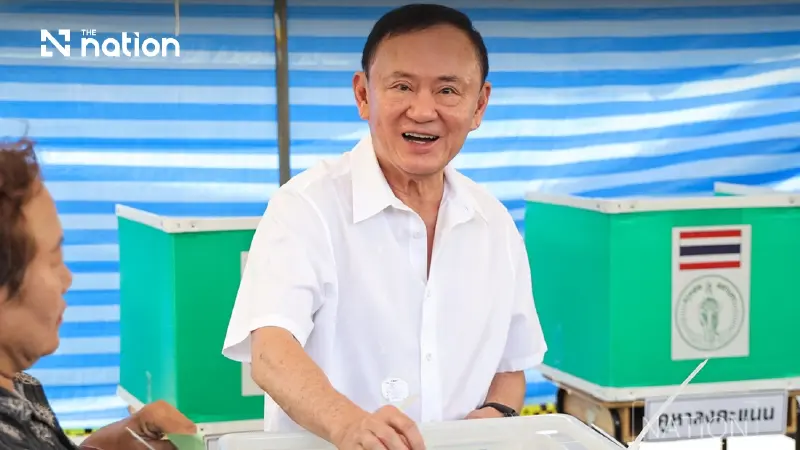


Former prime minister Thaksin Shinawatra cast his first vote in around 20 years as Paetongtarn and other Shinawatra family members also turned out for the Bangkok governor and council elections.
Former prime minister Thaksin Shinawatra cast his ballot in a Bangkok election for the first time in around two decades on Sunday, turning the capital’s governor and council polls into a symbolic moment for the Shinawatra family as Paetongtarn Shinawatra and other family members also turned out to vote, while Pheu Thai figures kept an eager vigil for the results of ten Bangkok Metropolitan Council candidates campaigning under the “Pheu Thai Life” banner.
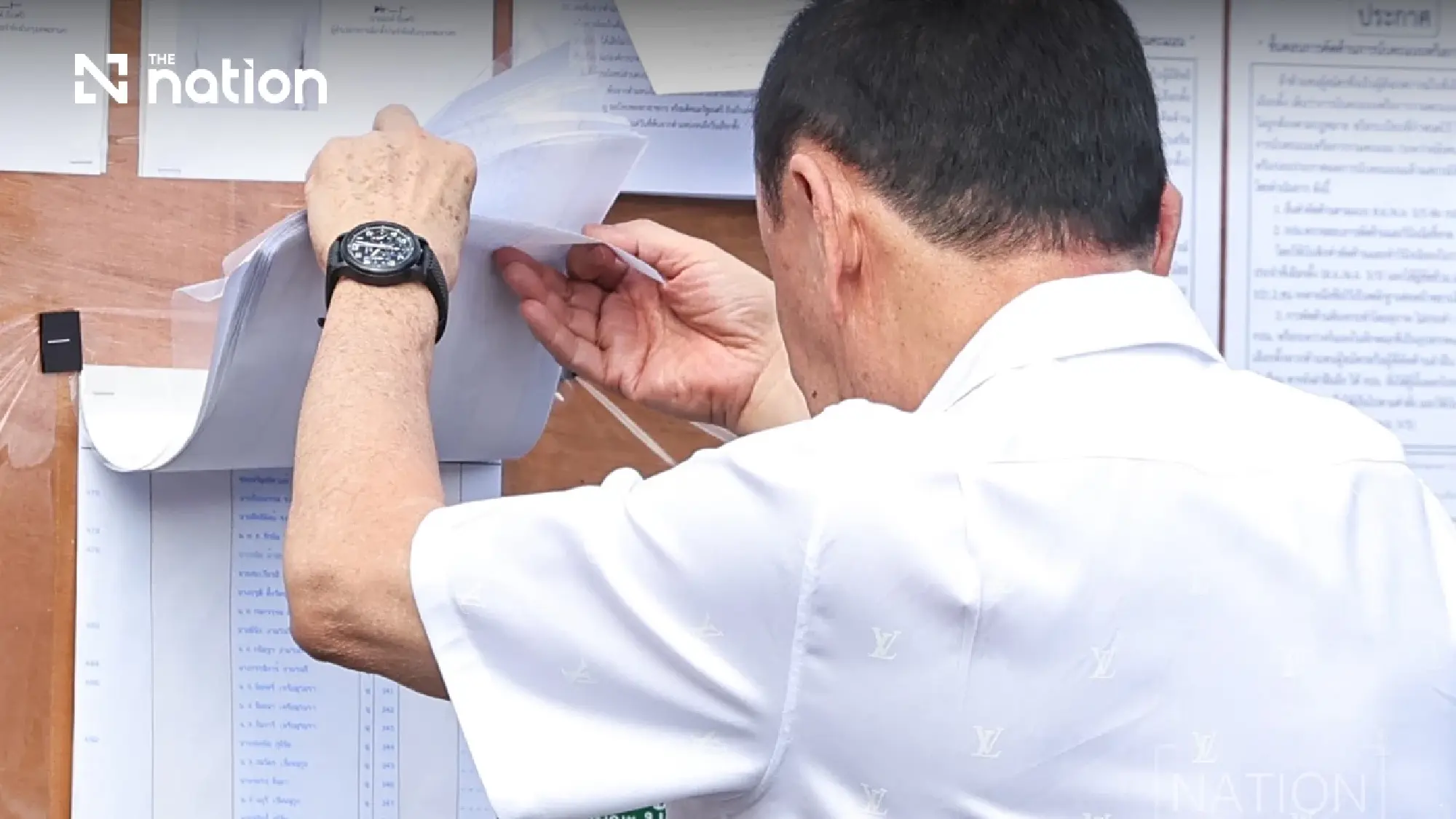
Thaksin voted at polling station No 14 in Bang Phlat subdistrict, Bang Phlat district, near Charan Sanitwong 69. His appearance drew attention because it marked his first time exercising his voting right in Thailand in about 20 years.
The former prime minister said after casting his ballot that he felt excited, happy and proud to be Thai. He joked that he had not voted for so long that he felt unsure about the process, adding that he was worried about doing something that might breach the constitution.
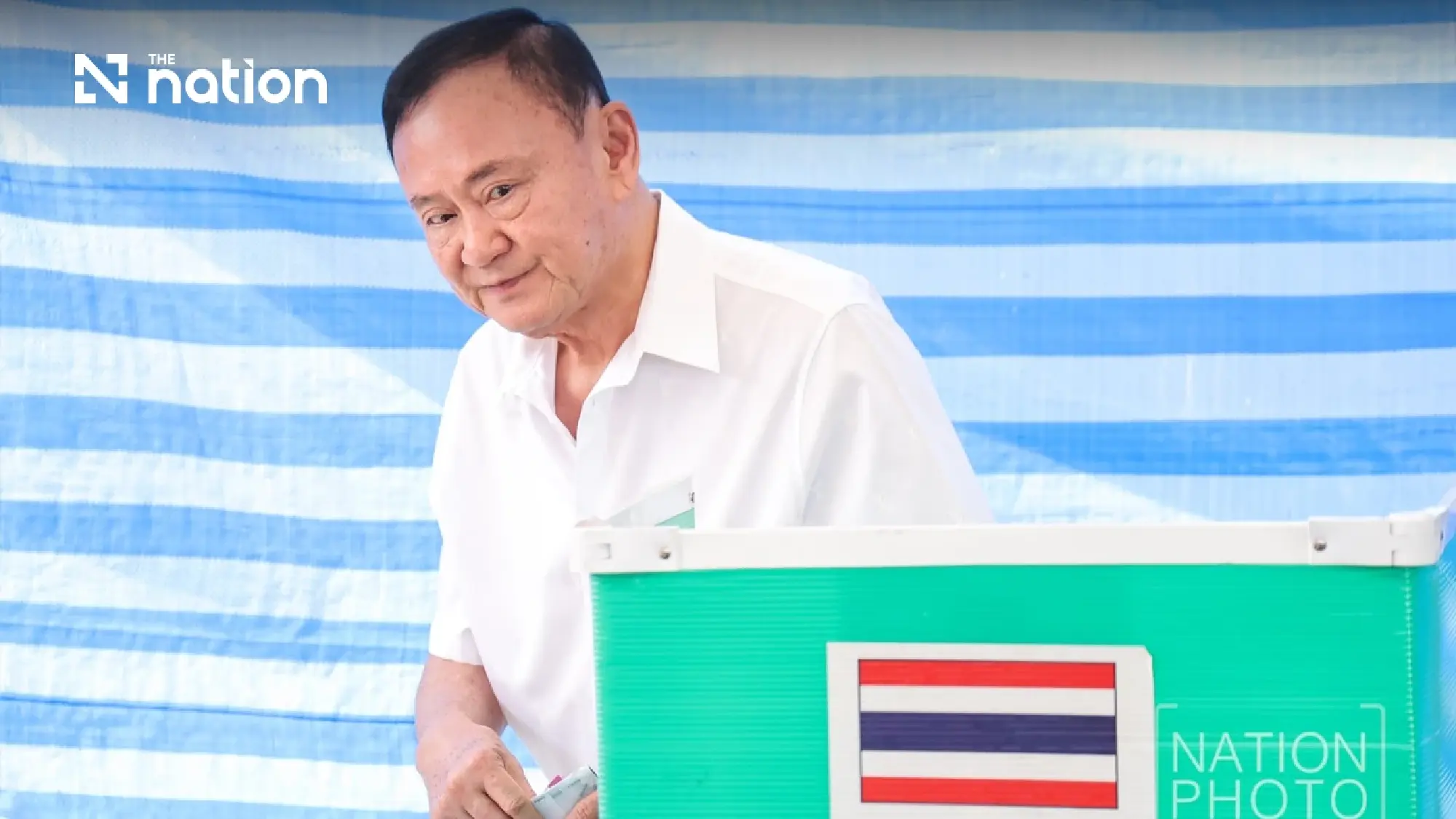

Thaksin says voting is a civic duty
Thaksin said voting was a civic duty and urged people to exercise their right to choose their representatives.
He said that if people did not take part in choosing representatives to work on their behalf, they could not later blame others if those representatives failed to perform well. Voters, he said, had the power to make a new choice at the end of a term if they were dissatisfied.
“The last time I went to vote was when I was prime minister, before the coup. In that election, there was the issue of ballots facing in and facing out, and it was ruled unconstitutional,” Thaksin said.
He was referring to the April 2006 general election, which was later nullified, before the September 2006 coup. It was the last time he voted in Thailand before his long absence from the country’s electoral process.
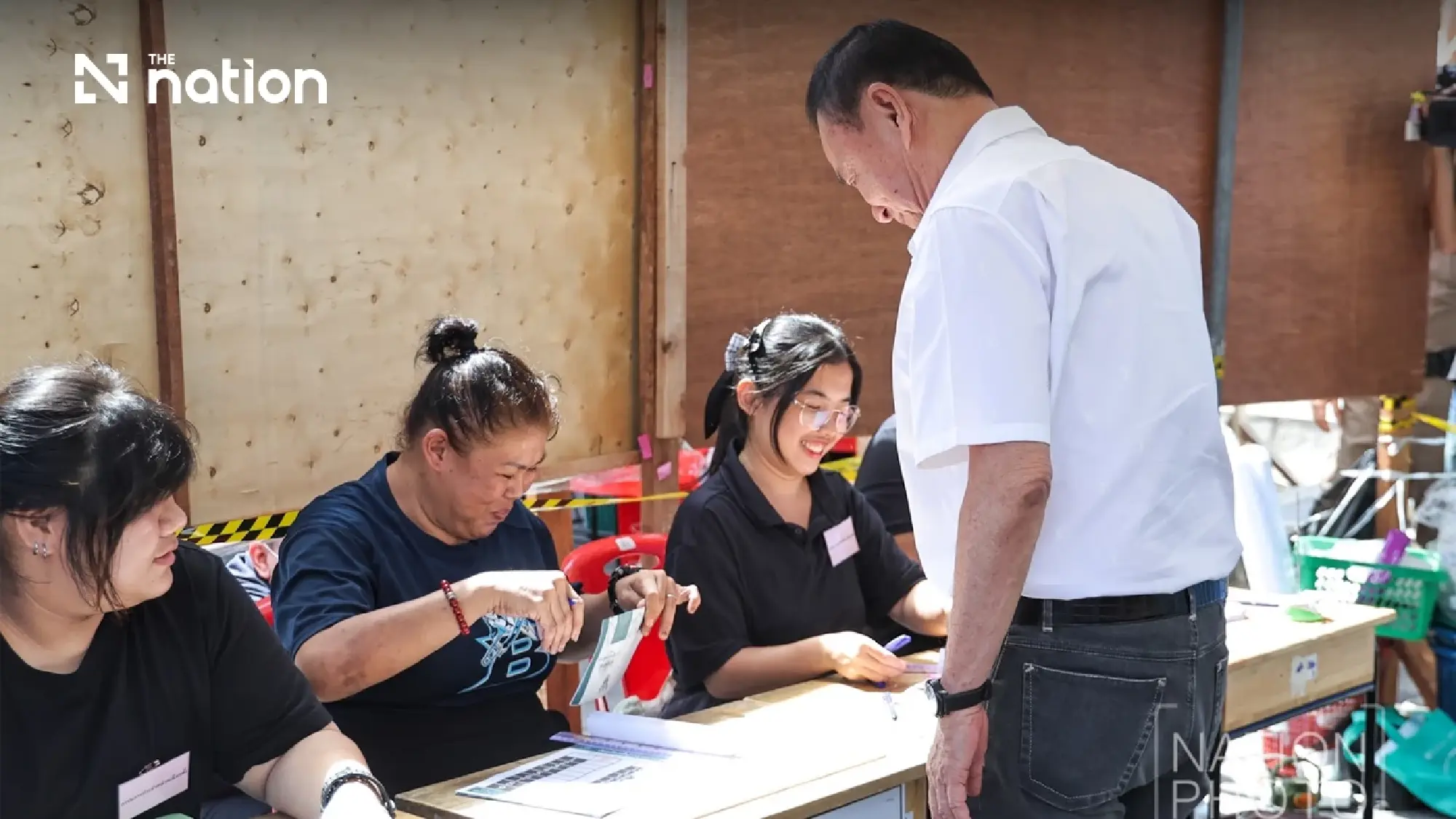

Former premier wants governor who ‘knows how to work’
Asked what kind of Bangkok governor he wanted, Thaksin said the capital was a large city with a large population but a relatively limited budget.
He said the next governor should focus on providing sufficient infrastructure and tackling traffic problems, both of which remain key issues for Bangkok residents.
The governor, he added, must be capable, hard-working and fully committed.
A governor who did not know how to work, or who lacked dedication, could not simply “drift along”, he said.
Paetongtarn votes with family in Khan Na Yao
Meanwhile, Paetongtarn Shinawatra, also a former prime minister, arrived with her family to cast her ballot at polling station No 15 at Kheha Thani 3 housing estate in Ram Inthra subdistrict, Khan Na Yao district.
She was accompanied by her mother, Khunying Potjaman Damapong, and her elder sister, Pinthongtha Shinawatra Kunakornwong. Her husband, Pitaka Suksawat, and their son and daughter were also present to give support.
Paetongtarn, Pinthongtha and Khunying Potjaman appeared cheerful and smiling as they went through the voting process in an orderly manner. Paetongtarn greeted supporters and local political figures before checking the voter list and receiving her ballots.
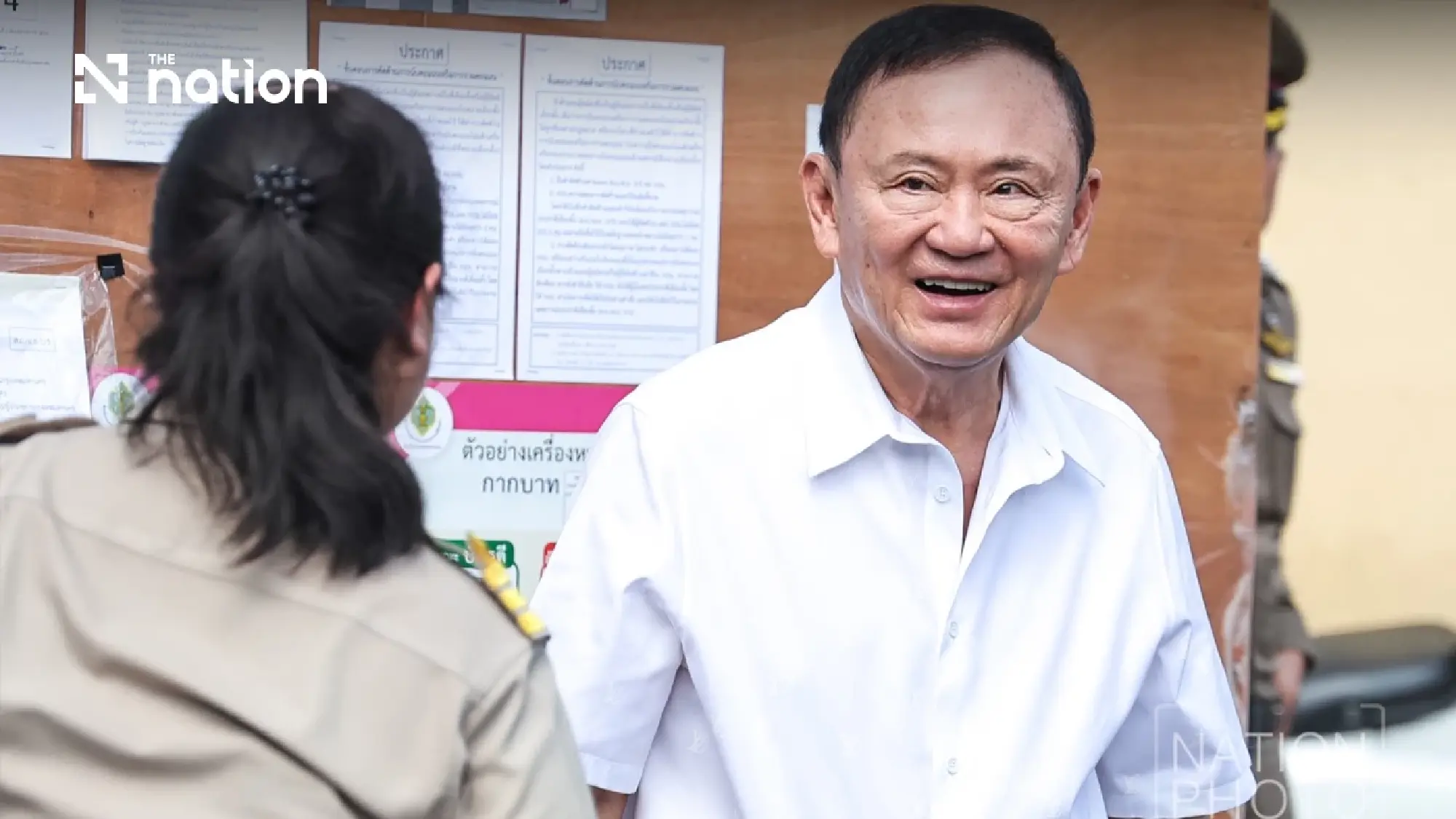

Shinawatra family visibility adds political weight
The appearance of both Thaksin and Paetongtarn gave the Bangkok election wider political significance beyond a routine local vote.
Although the election was for Bangkok governor and Bangkok Metropolitan Council members, the Shinawatra family’s turnout drew national attention because of its continuing influence in Thai politics.
Thaksin sought to frame his appearance as an act of citizenship rather than a political move, saying he had come to perform his duty as a citizen.
Pheu Thai-linked candidates await BMC results
The Bangkok Metropolitan Council race also carried importance for Pheu Thai-linked networks in the capital.
In this election, candidates associated with Pheu Thai members campaigned under the “Pheu Thai Life” team. The campaign was launched by Bangkok-based Pheu Thai members, although reports noted that the party had not issued a formal resolution to officially field BMC candidates.
The ten candidates listed under the campaign include Chawanphat Samretwanit in Lat Krabang, Somchai Wesaratchatrakul in Sai Mai, Takan Sunonthawut in Lak Si, Peerapong Rasamee in Nong Chok, Narunanmon Huangsap in Khlong Sam Wa, Sutthichai Weerakulsunthorn in Chom Thong, Pana Wutthidet in Don Mueang, Kittipong Ruayfoophan in Thung Khru, Pimpen Weerakulsunthorn in Rat Burana, and Wirat Meenchainunt in Min Buri.
Their results were being closely watched as a measure of whether Pheu Thai-linked local networks could still compete in Bangkok’s district-level politics.

Local vote becomes symbolic national moment
The Bangkok vote therefore became more than a contest for City Hall and council seats.
For Thaksin, it marked a return to the ballot box after about two decades. For Paetongtarn and the Shinawatra family, it was another public appearance at a politically sensitive moment. For Pheu Thai-linked candidates, the BMC race was a test of local relevance in the capital.
