
Leader ties drive Thai diplomacy with Australia and New Zealand
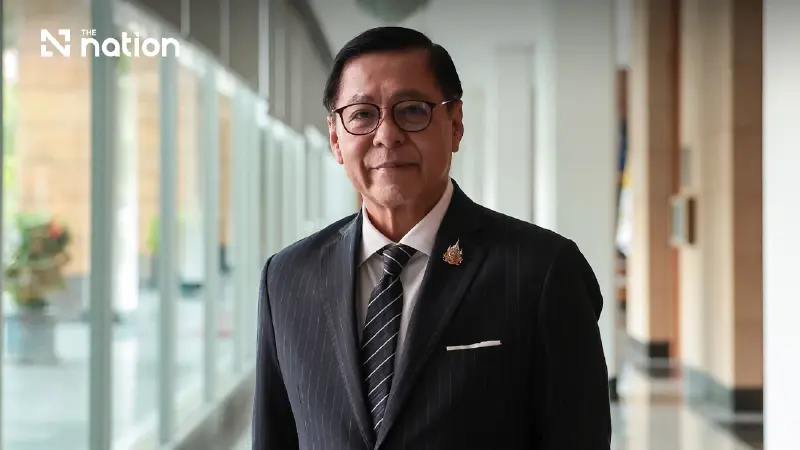


Sihasak credits leader-level trust for progress with Australia and New Zealand as Thailand seeks wider job access and stronger protections in New Zealand
- Thailand's Deputy Prime Minister credits strong personal relationships and trust between national leaders as a key driver for successful diplomatic negotiations with New Zealand.
- Thailand plans to incorporate labor mobility into its updated free-trade agreement (FTA) with New Zealand to create more job opportunities for Thai citizens.
- Key goals of the job talks include expanding the quota for seasonal workers, improving their welfare, and easing English-language requirements for certain roles.
Thailand is seeking to convert stronger diplomatic relations with Australia and New Zealand into practical gains in trade, employment and support for Thai communities abroad.
Deputy Prime Minister and Foreign Affairs Minister Sihasak Phuangketkeow said in Auckland on Saturday that Thailand’s international standing had improved, helping strengthen other countries’ confidence in its direction.
He attributed progress during the government’s talks in Australia and New Zealand partly to trust and personal rapport between national leaders.
“When leaders click, many matters are already almost 80% successful,” Sihasak said, describing the figure as his assessment of the importance of leader-level relationships in negotiations.
Trust supports negotiations
Sihasak said foreign-policy success depended not only on official policies but also on openness, familiarity and trust among leaders.
These relationships had helped the Thai delegation advance several issues during its discussions in Australia and New Zealand, he added.
The visit formed part of Thailand’s effort to strengthen its strategic partnerships and expand cooperation in trade, investment and technology.
Support for Thais abroad
Sihasak said the government would pursue what he described as “in-depth diplomacy for the people”, extending its work beyond passports and other routine consular services.
The approach would focus on Thai citizens’ living conditions and on building stronger, more self-reliant communities overseas.
Thai residents should also understand the laws of their host countries, he said, helping them avoid legal and employment problems while living abroad.
Labour issues to enter FTA talks
Labour Minister Julapun Amornvivat said approximately 7,800 Thai seasonal workers currently travel to New Zealand each year, primarily for agricultural employment.
The Labour Ministry plans to incorporate labour mobility into discussions on updating Thailand’s existing free-trade agreement with New Zealand.
“We will bring labour into negotiations alongside the FTA update,” Julapun said. “This will cover expanding the quota, improving workers’ welfare and reducing restrictions such as language requirements.”
No revised quota, timetable or final negotiating framework was announced.
Practical English requirements proposed
Julapun said Thailand would seek more flexible English-language requirements for workers in agriculture, food preparation and massage services.
Instead of requiring academic-level proficiency where it was unnecessary for the work, Thailand would propose basic communication skills as a more practical threshold.
The proposal is intended to widen employment opportunities while ensuring that Thai workers receive adequate welfare and protection in New Zealand, he said.
