
Customs arrest Turkish passenger over 12kg cocaine haul at Suvarnabhumi
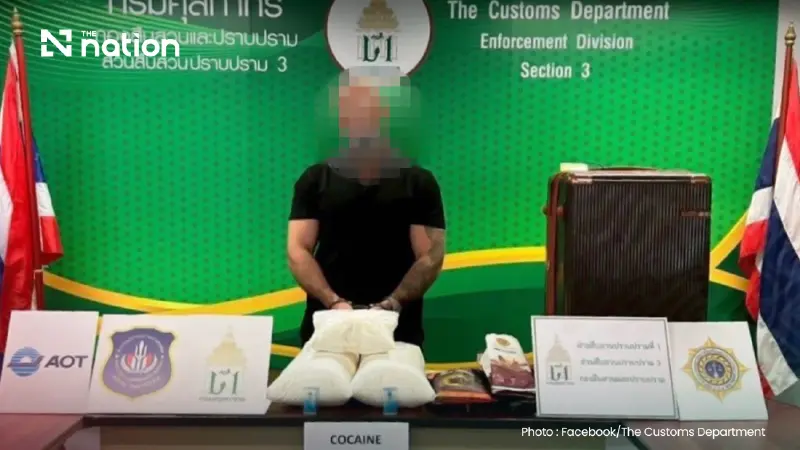


Thai customs officials arrested a Turkish passenger at Suvarnabhumi Airport after allegedly finding more than 12 kilogrammes of cocaine worth about 36 million baht concealed in coffee and chocolate packaging.
The Customs Department has arrested a Turkish male passenger at Suvarnabhumi Airport for allegedly smuggling more than 12 kilogrammes of cocaine into Thailand from Brazil, in a seizure valued at around 36 million baht.
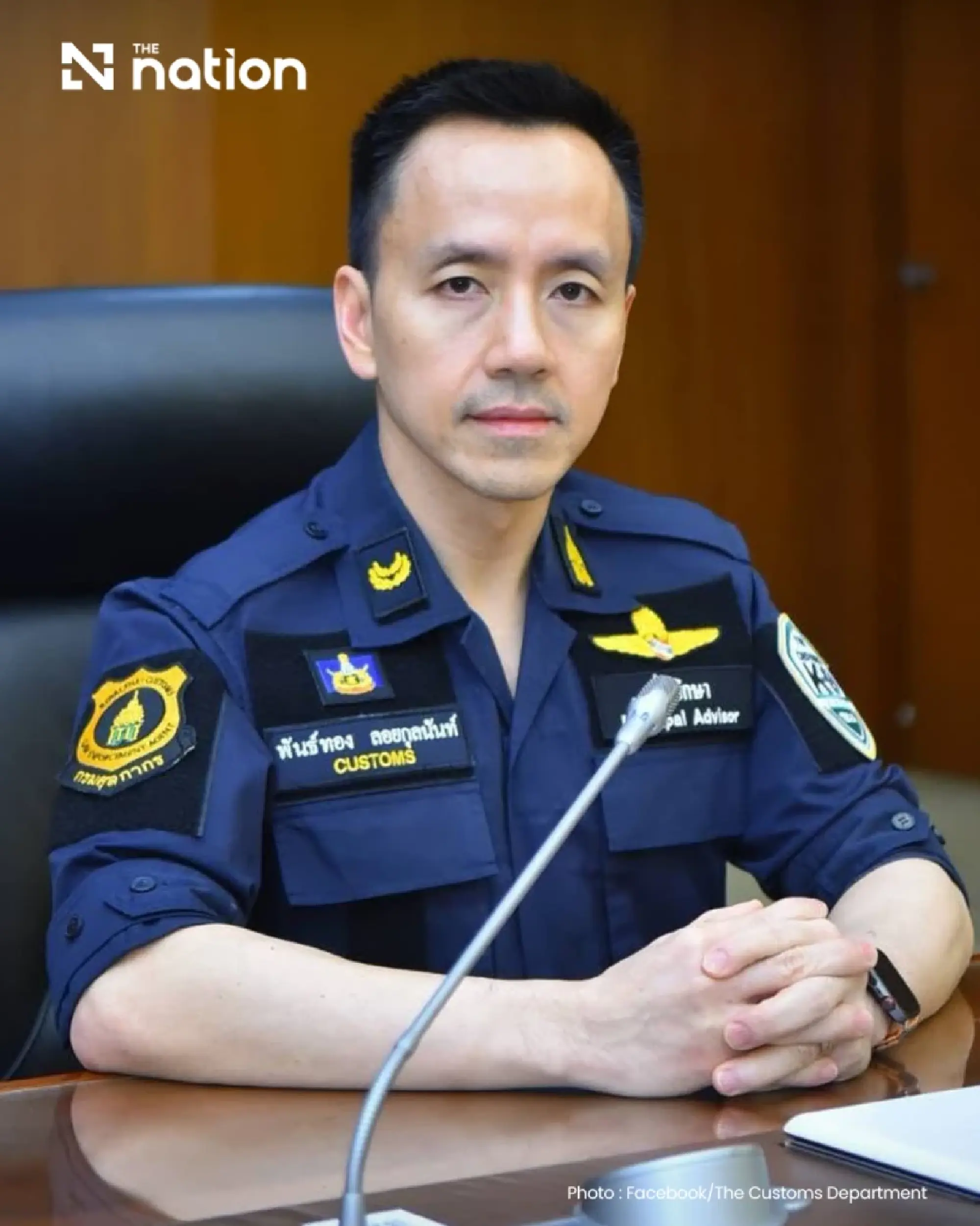
Phantong Loykulnanta, director-general of the Customs Department, said the arrest was part of the government’s urgent policy to prevent and suppress transnational drug trafficking.
The operation was carried out on Friday (June 25) by the department’s Investigation and Suppression Bureau in cooperation with the Airport Interdiction Task Force.
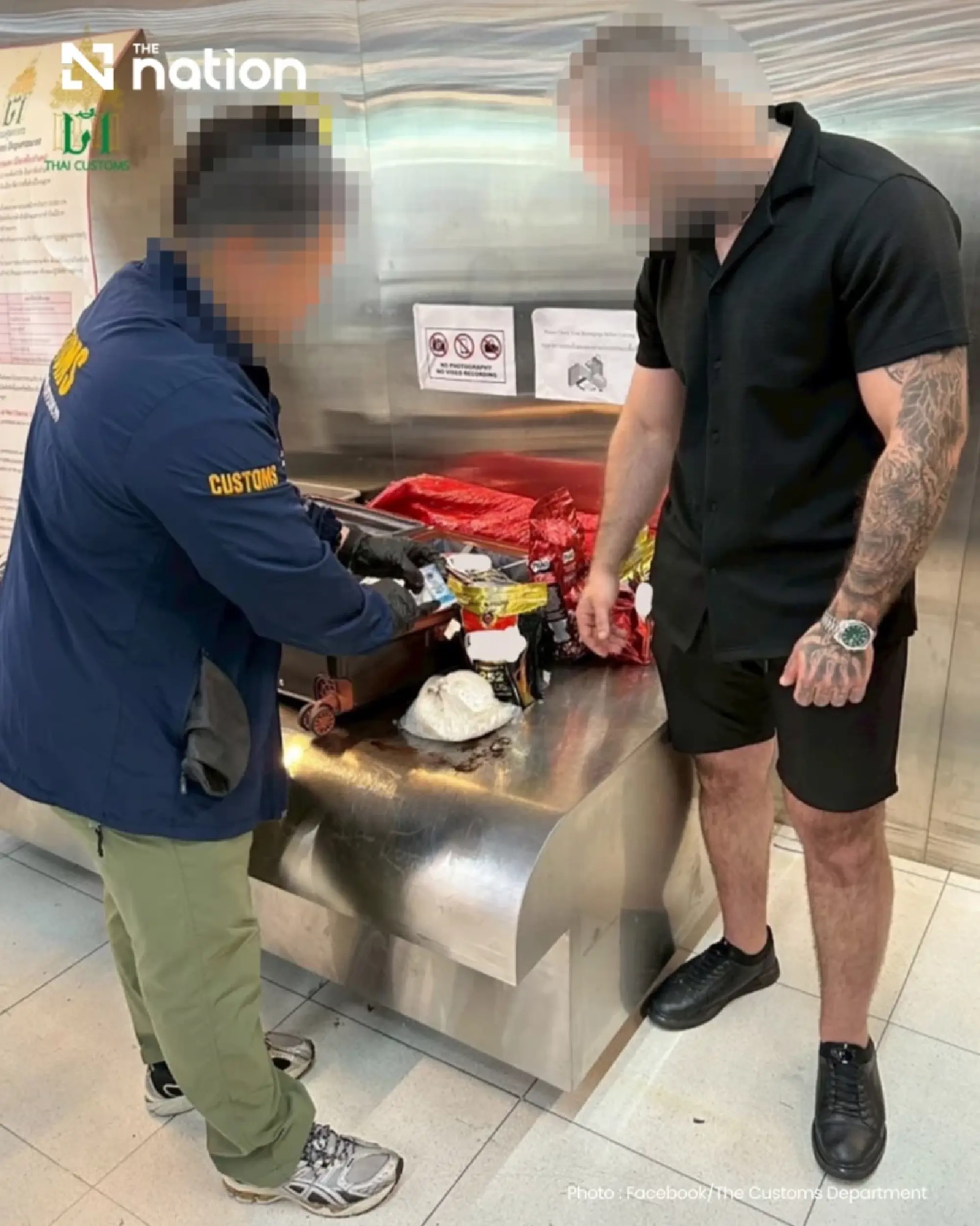

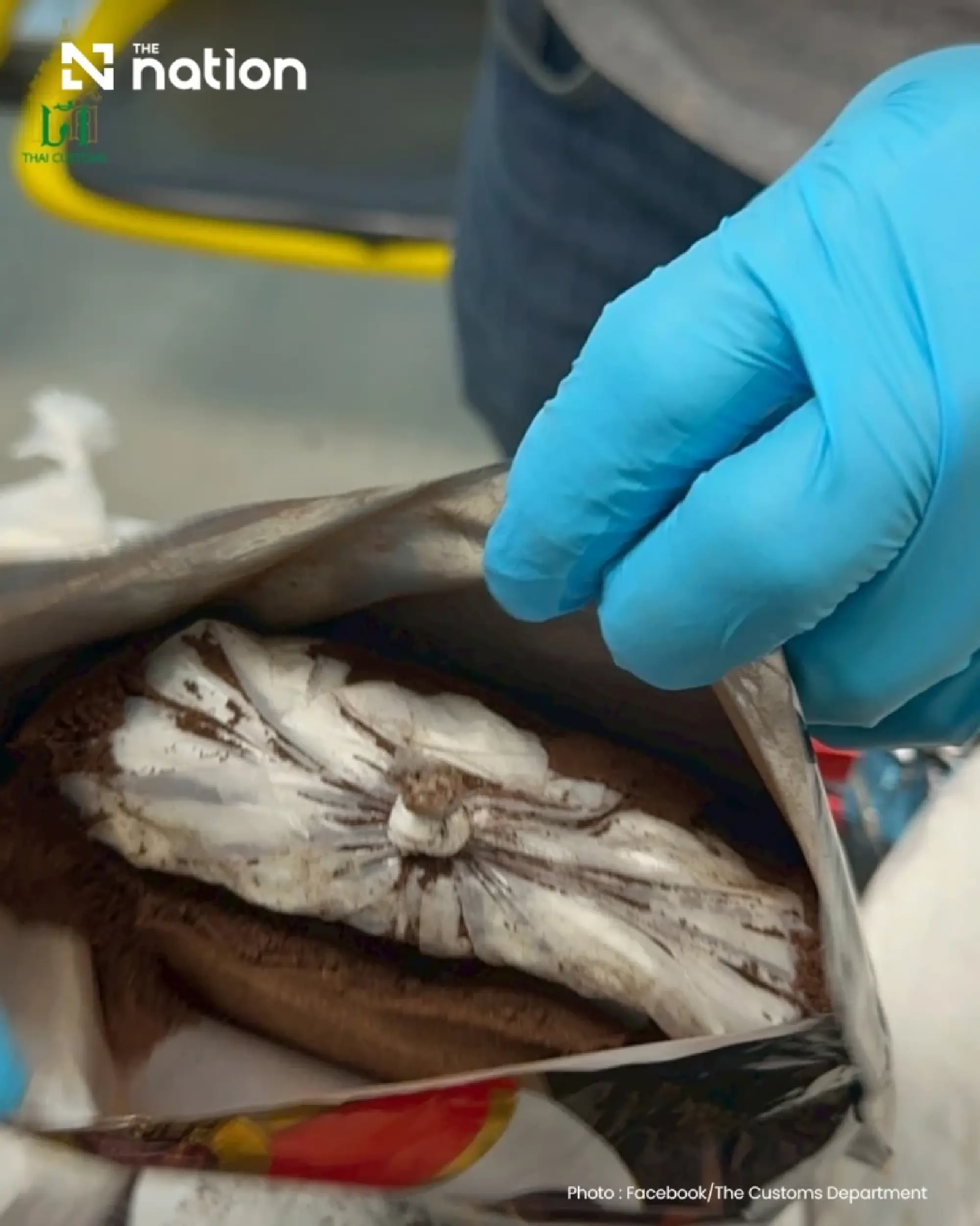
Drugs allegedly concealed in coffee and chocolate packaging
Officials searched the luggage of the Turkish passenger after he arrived from São Paulo/Guarulhos International Airport in Brazil.
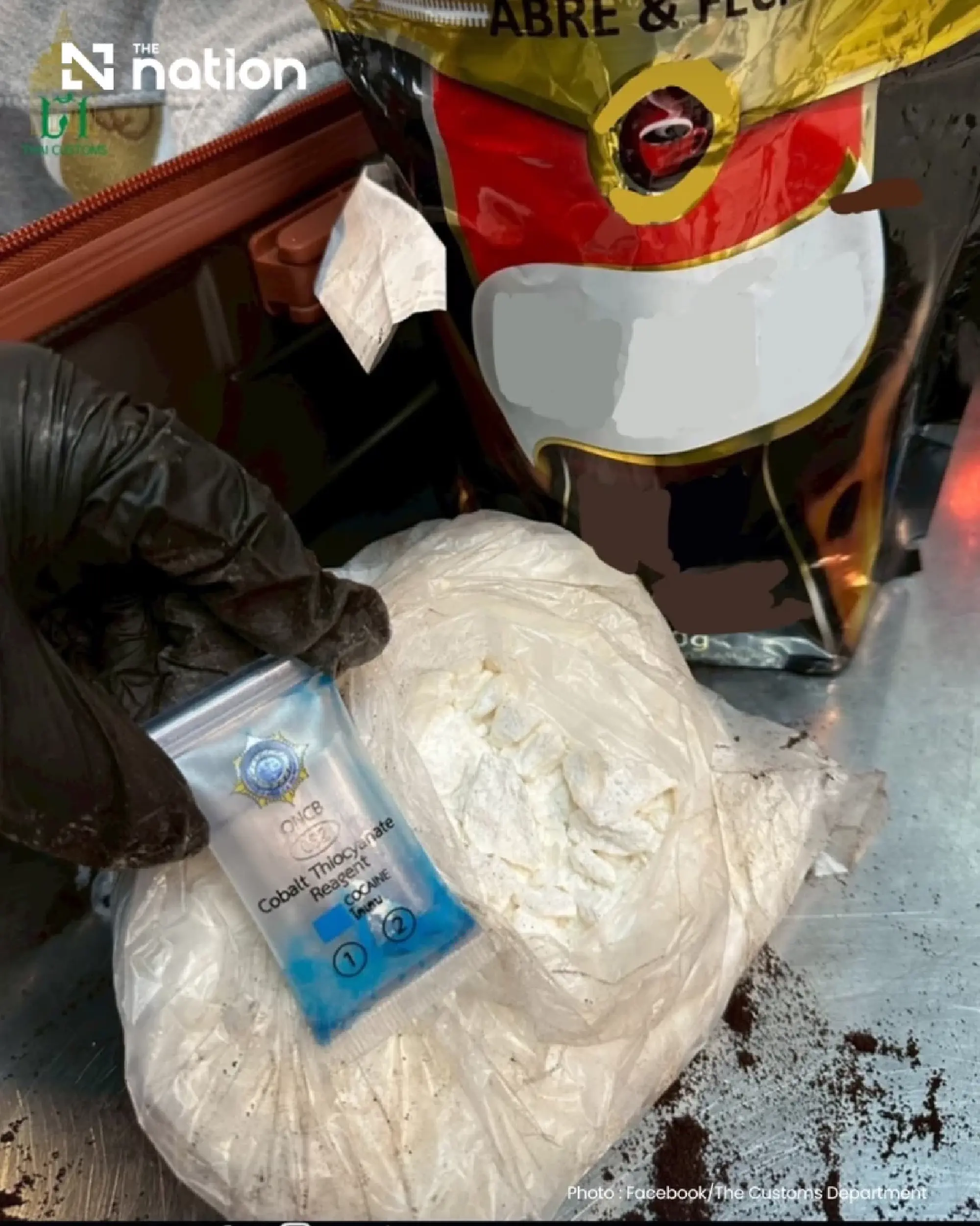
The search allegedly found cocaine concealed in coffee bags and chocolate packaging. The drugs weighed more than 12 kilogrammes and were estimated to be worth about 36 million baht.
Customs officers seized the narcotics and detained the suspect before handing him over to investigators at the Narcotics Suppression Bureau for legal action.
Authorities are also expanding the investigation to identify any related trafficking network.

Suspect faces customs and narcotics charges
The Customs Department said cocaine is classified as a Category 2 narcotic under Thai law.
Those involved in importing or exporting narcotics for commercial purposes face charges under the Customs Act B.E. 2560 and the Narcotics Code. Penalties may include imprisonment of up to 15 years, a fine of up to 1.5 million baht, or both.
Officials said the case reflected the continuing attempt by transnational crime groups to use international air travel routes to move narcotics into Thailand.

214 drug cases seized in nine months
Phantong said that from October 1, 2025, to June 25, 2026, the Customs Department had seized narcotics and psychotropic substances in 214 cases.
The seizures involved 53 suspects and had a combined estimated value of more than 692 million baht.
Crystal methamphetamine, commonly known as “ice”, remained the most frequently seized drug in terms of number of cases, quantity and value.

Parcel routes remain main smuggling channel
The department said postal and express parcel deliveries remained the most common smuggling channel, accounting for more than 76.6% of all drug-related cases detected by customs over the nine-month period.
Officials have also seen a rising trend in attempts to smuggle newer psychotropic substances, including Zopiclone and etomidate.
In response, the Customs Department has stepped up inspections using scanning technology, K-9 detection dogs, intelligence analysis and cooperation with domestic and international agencies.
Customs vows to target wider networks
The department said it would continue expanding investigations in every case to dismantle transnational criminal networks behind drug trafficking.
It also urged members of the public to report suspicious activities or possible offences, saying public cooperation is important to prevent narcotics from spreading in Thailand.
