
Gold, bronze drums and skeletons reveal ancient elite burial site in Phetchaburi
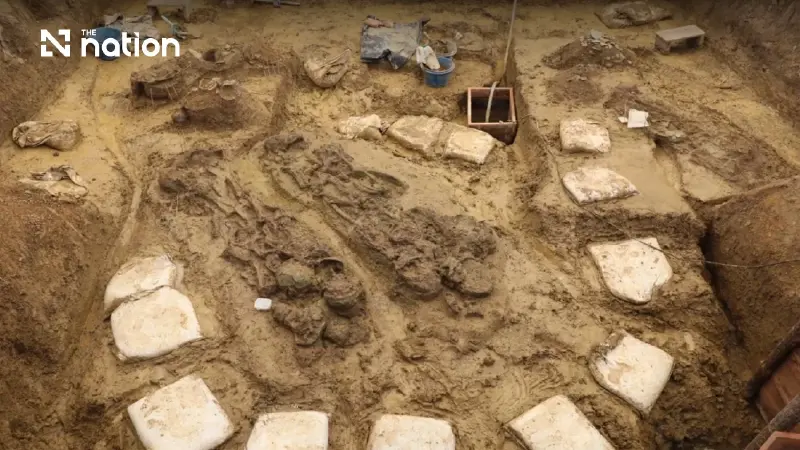


Excavations at Don Yai Thong in Phetchaburi have uncovered skeletons, bronze drums, gold ornaments and rare burial objects believed to date back 2,000–1,500 years.
Thailand’s archaeological community is turning its attention to Phetchaburi after excavations at the Don Yai Thong site uncovered human skeletons, bronze drums, gold ornaments and rare burial objects, offering new clues to the social hierarchy and death rituals of a prehistoric community believed to date back around 2,000–1,500 years.
The Fine Arts Department has revealed the latest findings from the Don Yai Thong archaeological site in Ban Lat district, where a systematic excavation has uncovered a large amount of evidence pointing to a prosperous ancient settlement with complex beliefs about death and the afterlife.
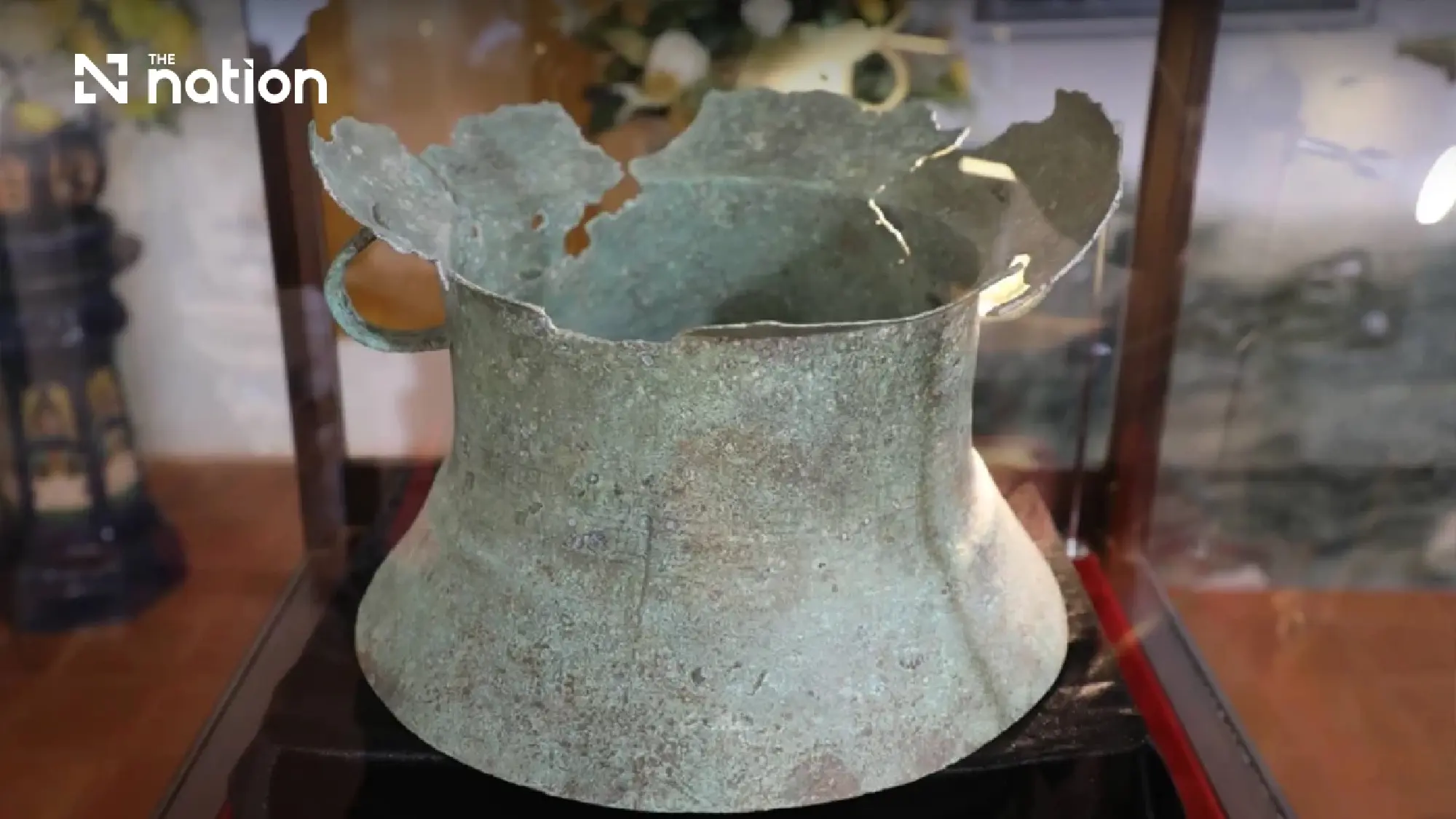
The discoveries include human remains, ceremonial bronze drums, gold ornaments, bronze vessels, pottery, glass beads, stone beads, animal remains and other funerary objects. Archaeologists believe the site dates to the late prehistoric period, a transitional era before Thailand entered the historic age.

Discovery began with bronze drum in rice field
The excavation began on February 9, 2026, after a bronze drum was discovered in a rice field in Ban Lat district of Phetchaburi province.
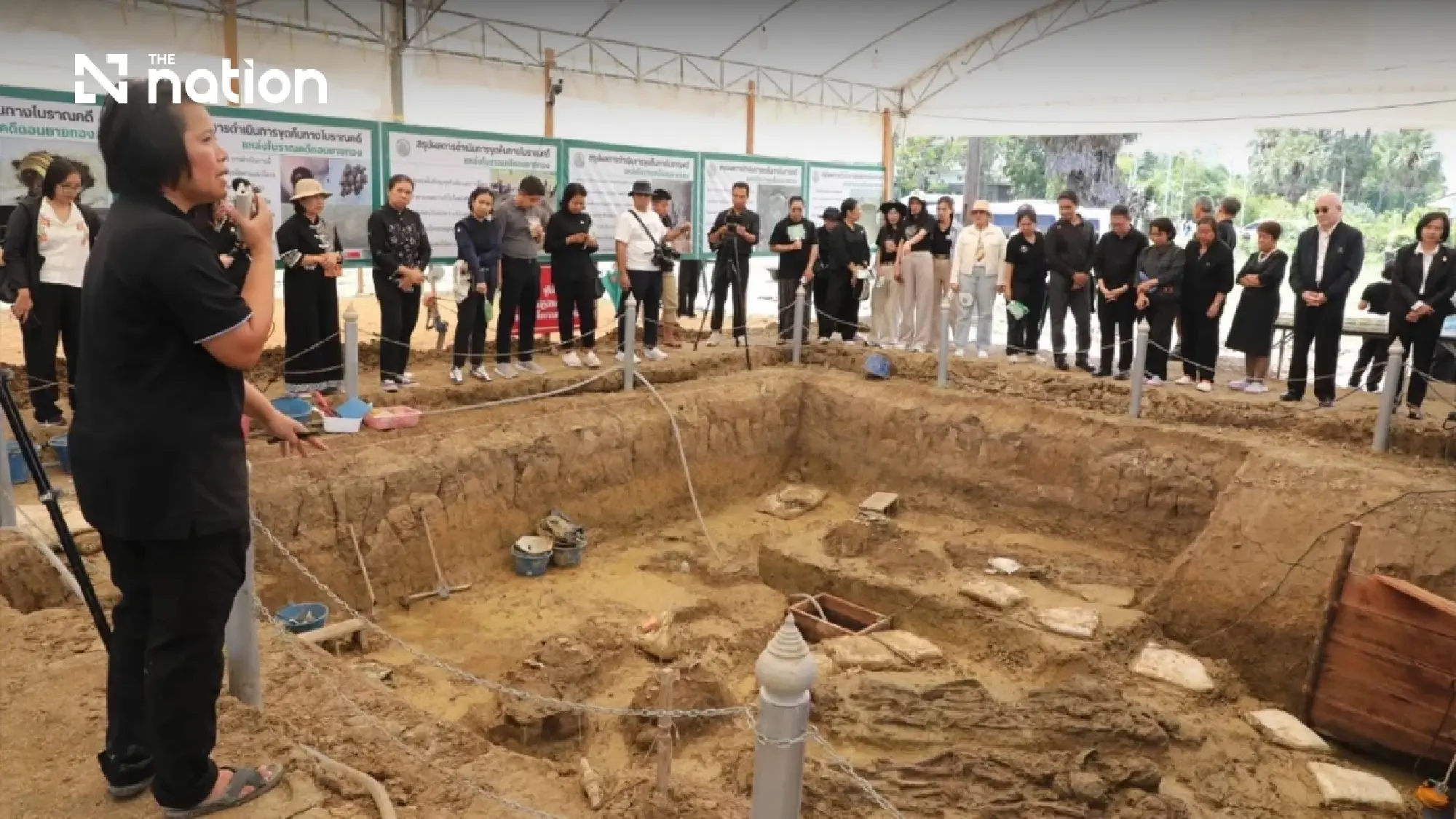
Archaeologists from the Fine Arts Department then carried out a systematic excavation of the area and continued to uncover further evidence, including bronze drum fragments, pottery and human skeletons buried with bronze objects and ritual offerings.
Phanombut Chantarachot, director-general of the Fine Arts Department, chaired a press conference to announce the new findings from the Don Yai Thong ancient site. He also presented 50,000 baht in crop compensation to the landowner before leading experts and the media to inspect the excavation area.
The site is now becoming one of Thailand’s most closely watched archaeological discoveries, as researchers examine what the burial evidence may reveal about ancient social structures, trade, ritual beliefs and community life.

Gold ornaments suggest social status
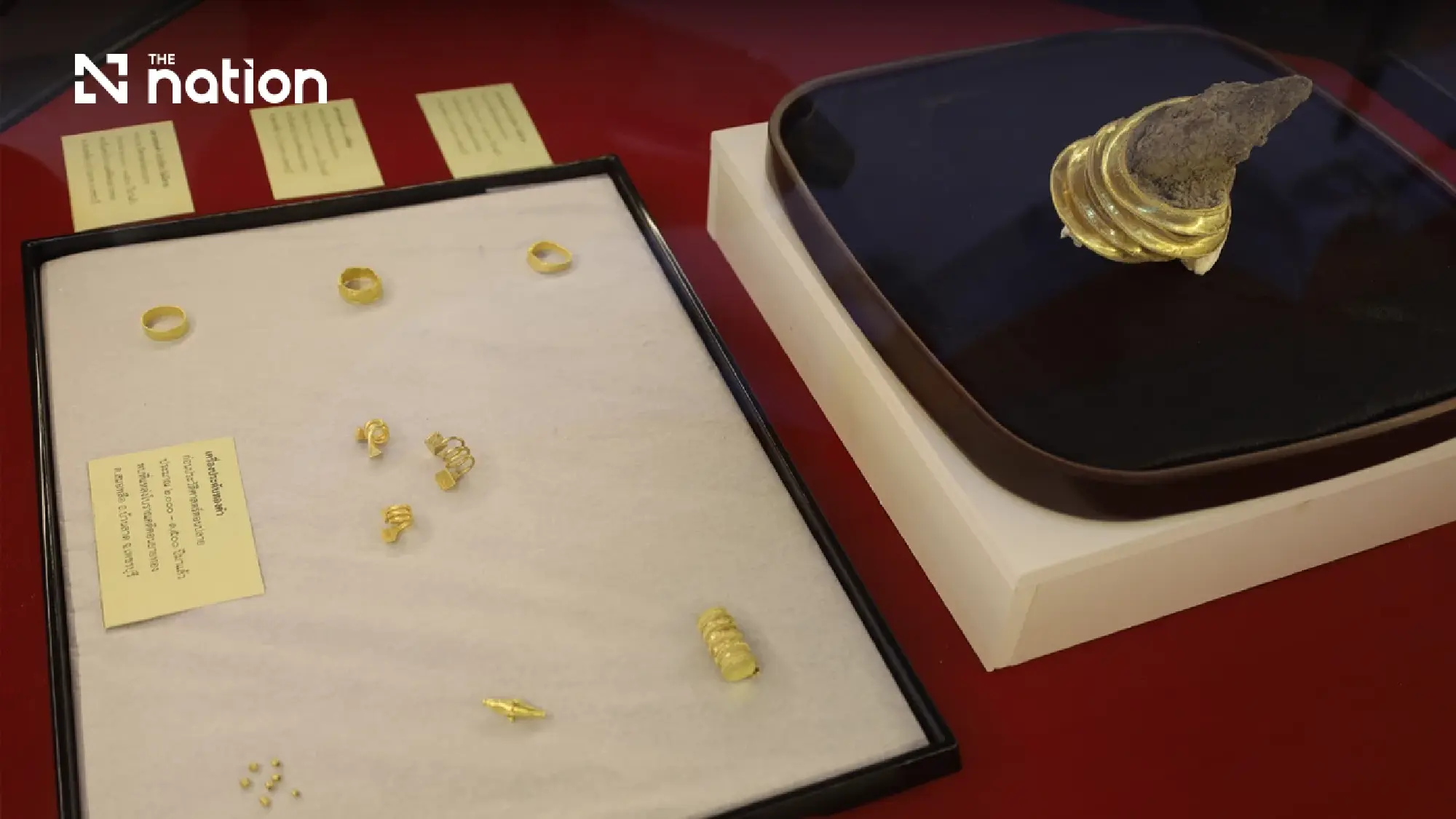
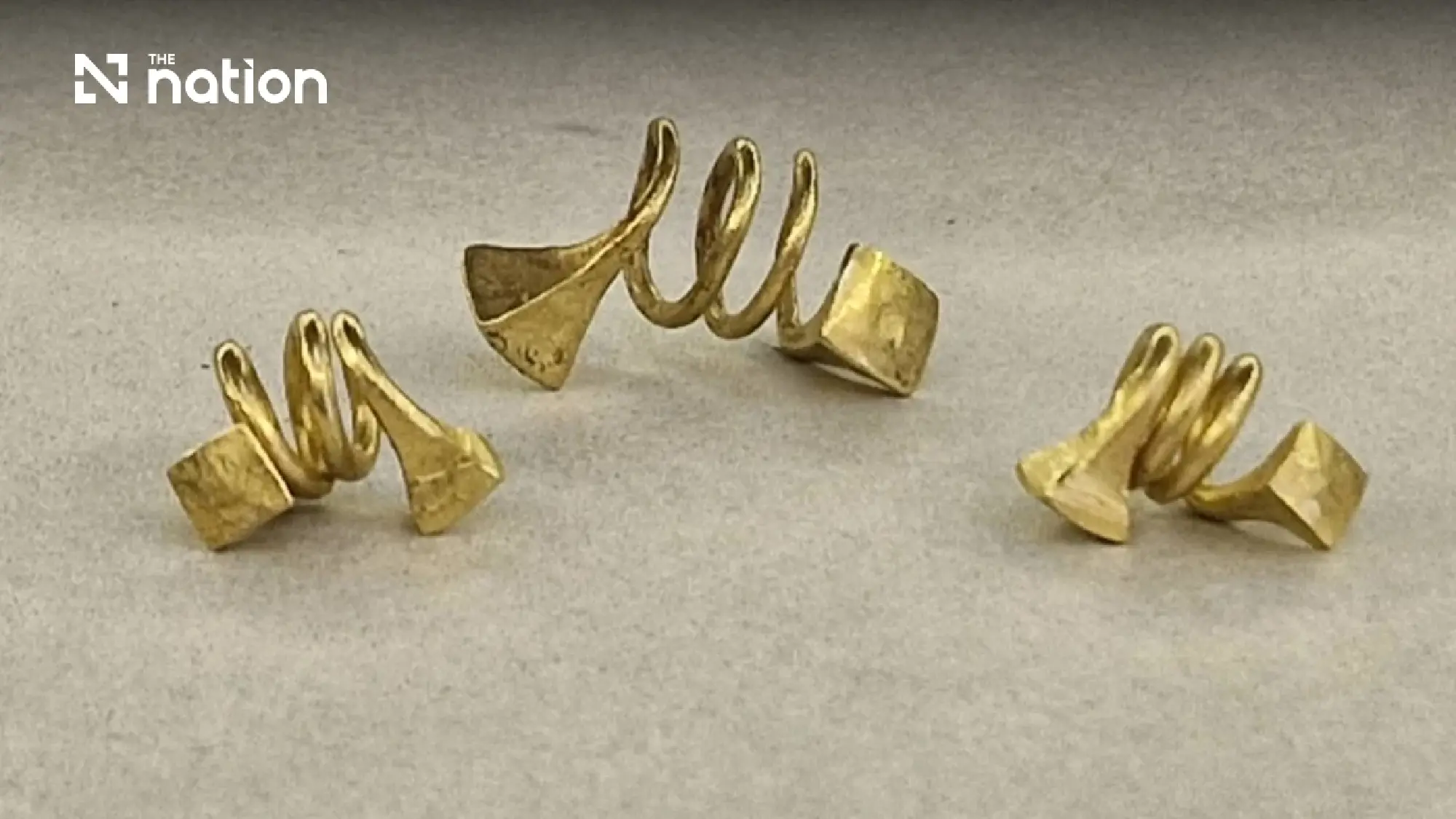
One of the most striking findings was the discovery of numerous gold ornaments, including rings, bracelets, beads, pendants and earrings.
Some of the ornaments were still found on the skeletons, suggesting that the deceased may have held high social status within the ancient community. The placement of valuables with the bodies also points to beliefs about death, memory and offerings for the afterlife.
The Fine Arts Department said the objects could help archaeologists better understand social hierarchy in late prehistoric society, particularly how wealth, status and ritual identity may have been expressed through burial practices.

Rare burial patterns point to complex rituals
The excavation also revealed unusual burial patterns that are rarely found in Thailand.
Some skeletons were discovered with bronze objects resembling vessels placed over the head area. In another case, the latest skeleton, believed to be that of a child under the age of 12, was found with a bronze object shaped like a gong placed on the body.
Archaeologists said these findings may indicate more complex ritual practices than previously understood. The use of bronze objects, personal ornaments and funerary offerings suggests that burial ceremonies at Don Yai Thong may have carried strong symbolic meaning.

Nine skeletons and six bronze drums found so far
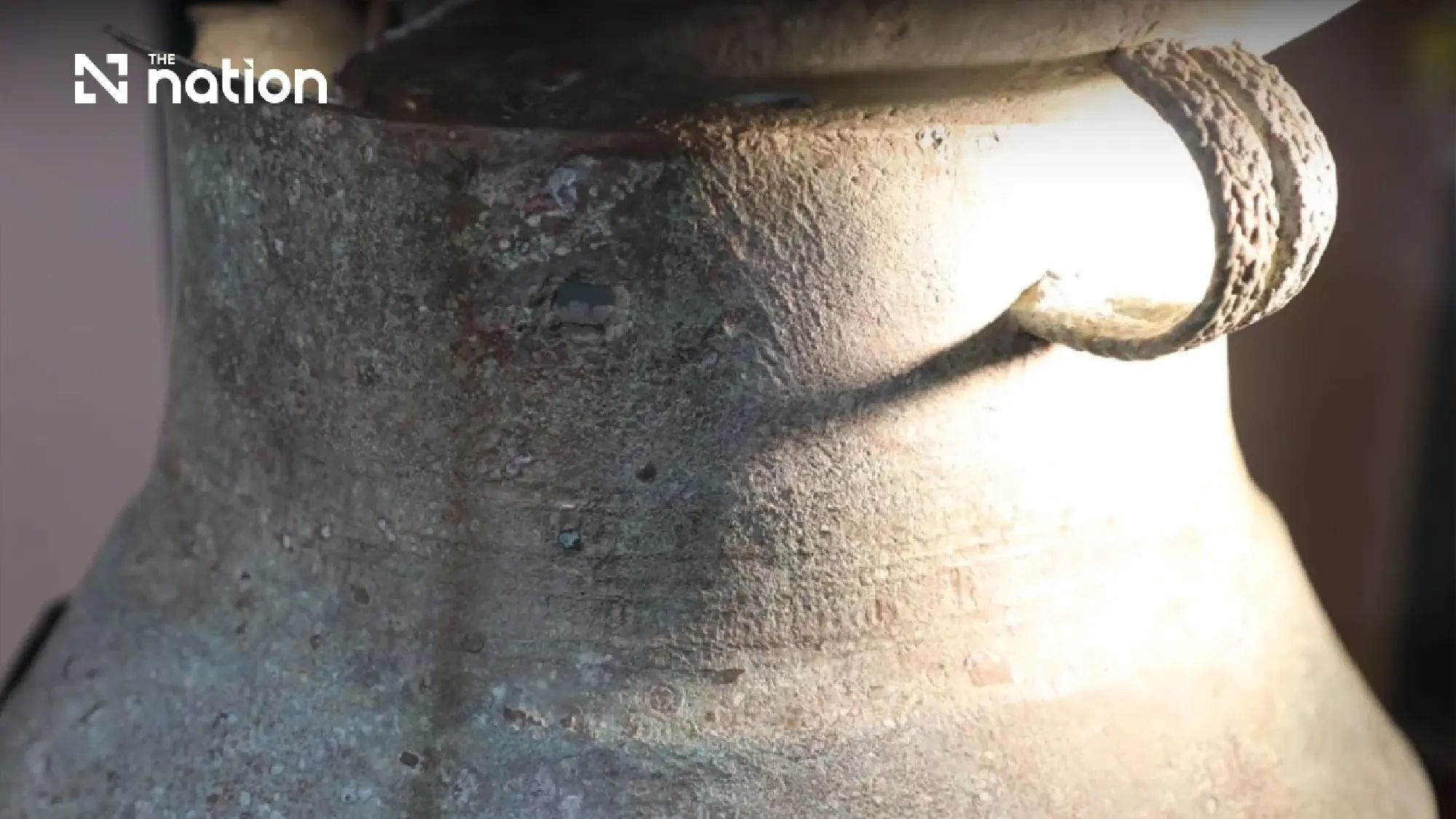
To date, archaeologists have uncovered nine human skeletons and six bronze drums at the site.
The number of bronze drums is considered highly significant in academic terms, especially when found together with human remains and burial objects. Such discoveries may help researchers better understand the role of bronze-drum culture in prehistoric communities in the western part of Thailand.
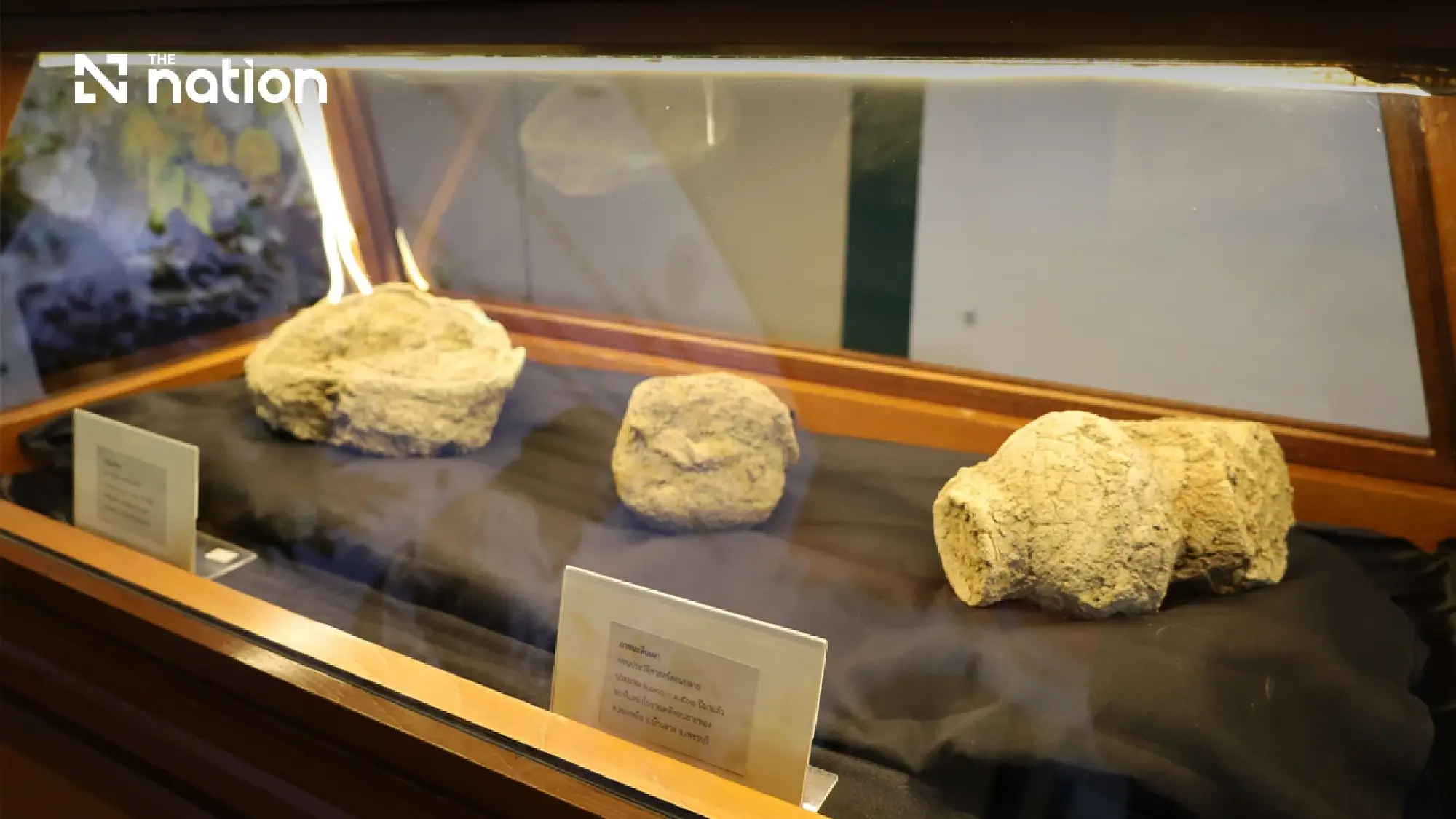
Other items found at the site include bronze vessels, pottery, glass beads, stone beads, fire-baked clay lumps and the jawbone of a cow or buffalo buried with the deceased.
The animal remains may point to ritual practices involving sacred animals, offerings or sacrificial ceremonies, although further study is needed before firm conclusions can be drawn.

3D scanning and scientific dating planned
The Fine Arts Department plans to use 3D scanning technology to record detailed data on the skeletons and excavation pits before the artefacts are moved for conservation.
Specialists will then handle the preservation process, while all artefacts will be systematically registered as part of the department’s archaeological records.
Charcoal samples from the excavation will also be sent to the United States for scientific dating. The results are expected within about three months and should help confirm the estimated age of the site more precisely.

Window into prehistoric Thailand
Based on the form of the bronze drums and the artefacts found with them, archaeologists currently believe the Don Yai Thong burial site dates to the late prehistoric period, around 2,000–1,500 years ago.
The discovery is significant not only because of the gold and bronze objects, but because the artefacts were found in a clear burial context. This allows archaeologists to study how ancient people in the area lived, organised society and expressed beliefs about death.
The Don Yai Thong excavation therefore offers a rare window into a prehistoric community in Phetchaburi, showing that the area may once have been home to a society with wealth, ritual complexity and far-reaching cultural connections before the emergence of Thailand’s historic period.

