
Chao Phraya Dam cuts discharge as Thailand braces for more rain
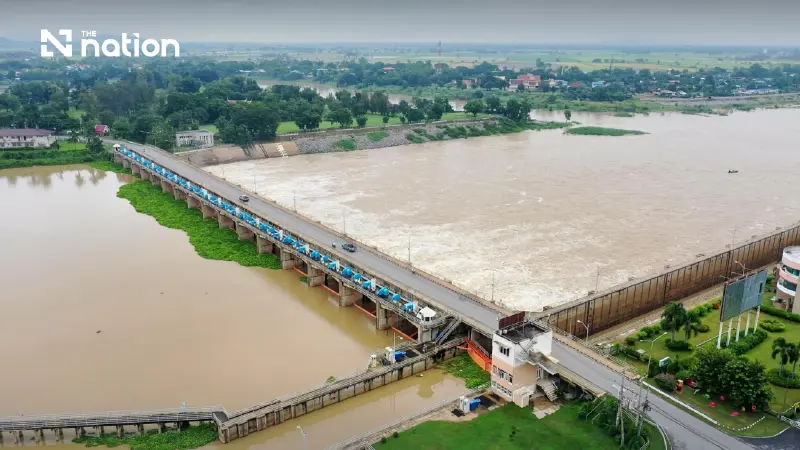


Irrigation authorities cut Chao Phraya Dam discharge to 1,800 cubic metres per second while accelerating flood drainage ahead of heavier rain from October 21–25.
Thailand’s Royal Irrigation Department has reduced discharge from Chao Phraya Dam to 1,800 cubic metres per second while accelerating the drainage of flooded farmland and preparing for another period of heavier rain from October 21–25.
Deputy Director-General Worapoj Phetnarachat said on October 19 that the department had deployed machinery, pumps, water-propulsion units and personnel to affected areas while identifying locations where drainage capacity needed to be increased.
The department is also working with other agencies to drain floodwater as quickly as possible and reduce the impact on communities.
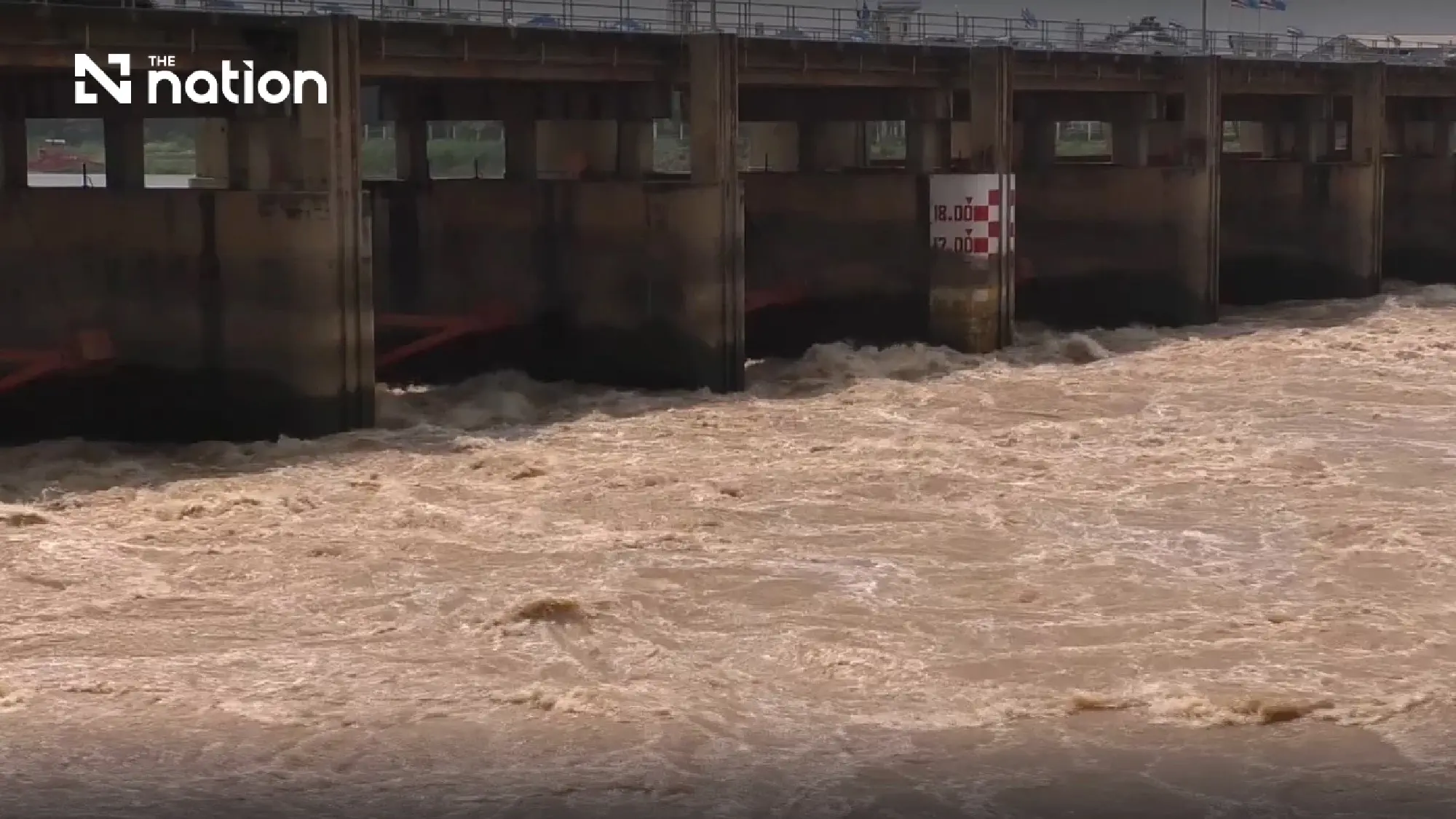

Reservoirs at 84% of capacity
As of October 19, large and medium-sized reservoirs nationwide held a combined 64.194 billion cubic metres of water, equivalent to 84% of their total storage capacity.
They still had room for another 12.502 billion cubic metres.
The four major reservoirs in the Chao Phraya basin, Bhumibol, Sirikit, Khwae Noi Bamrung Daen and Pa Sak Jolasid, held a combined 18.857 billion cubic metres, or 76% of capacity.
Together, they had remaining capacity of 5.925 billion cubic metres.
Worapoj said water was being managed to reduce the impact on communities downstream while retaining as much as possible in reservoirs for household consumption, agriculture, ecosystem maintenance and other needs during the coming dry season.
Chao Phraya Dam discharge falls to 1,800 cubic metres per second
With rainfall easing in the Chao Phraya basin, the department has gradually reduced the dam’s discharge to 1,800 cubic metres per second.
It has also reduced the amount of water diverted into irrigation systems on both sides of the river to ease pressure on downstream communities and low-lying riverside areas.
At the same time, authorities are accelerating the drainage of standing floodwater in lower areas through interconnected sluice gates and pumping stations, directing the water towards the sea.
If rainfall continues to decline, discharge from Chao Phraya Dam could be reduced further to around 1,400–1,500 cubic metres per second by the end of October.
The department has also ordered machinery and pumps to be deployed to remove water from flooded agricultural fields so farmers can prepare their land for the next planting season.
Eastern provinces accelerate drainage
In the East, particularly Nakhon Nayok, Prachin Buri and Chachoengsao, as well as areas connected with Bangkok and neighbouring provinces, irrigation authorities are managing water through networks of canals and major rivers.
Additional pumps and water-propulsion units have been installed, while obstructions are being removed from drainage bottlenecks.
Water releases are being adjusted according to the capacity of individual canals to avoid worsening conditions either upstream or downstream before water reaches the sea.
The overall situation is improving, Worapoj said, although authorities remain on alert for additional rainfall this week.
South remains on heavy-rain alert
Officials in southern Thailand have been instructed to closely monitor accumulated rainfall and water levels as heavy to very heavy rain remains possible in some areas.
Particular attention is being given to low-lying communities, urban areas, riverside locations and places vulnerable to flash floods and run-off.
Authorities are coordinating public warnings so residents have time to prepare if conditions deteriorate.
The Thai Meteorological Department forecasts continued rain, including isolated heavy to very heavy falls, in the South and East on October 19–20.
From October 21–25, rainfall is expected to increase across the lower Northeast, Central region, Bangkok and surrounding provinces, the East and upper South, with heavy to very heavy rain and gusty winds possible in some areas.
The Royal Irrigation Department has ordered irrigation projects to inspect drainage systems and waterways and ensure pumps, water-propulsion units, machinery and personnel are ready for immediate deployment.
In areas where river levels have already fallen back within their banks, officials have been told to accelerate the removal of water from low-lying land and begin recovery work so residents and farmers can return to normal activities as quickly as possible.
