
Nepal’s missing toll passes 1,900 amid renewed flood risk
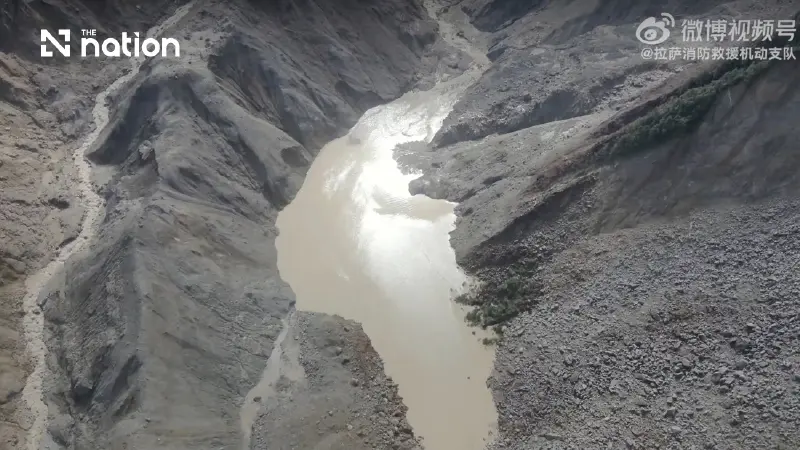


At least 579 people have died in Nepal, while two lakes above the disaster zone are being monitored for signs of further flooding
- At least 1,924 people are missing in Nepal following catastrophic floods, a figure that includes 517 foreign nationals.
- A renewed risk of flooding persists as authorities monitor two upstream glacial lakes, one of which has begun to overflow.
- The confirmed death toll in Nepal has risen to 579, and relief operations are severely hampered by damaged roads and mudslides.
- The disaster also affects China's Tibet region, where more than 550 people are reported missing.
At least 1,924 people remain missing after catastrophic floods swept through Nepal’s mountainous border region with China’s Tibet Autonomous Region, Nepalese disaster authorities reported on Saturday (August 29, 2026).
The missing include at least 517 foreign nationals. Authorities cautioned that the situation was changing rapidly and that figures reported by different agencies could vary.
Nepal’s confirmed death toll has risen to 579. Chinese authorities have reported at least seven deaths in Tibet, where another 554 people remain missing.
A BBC correspondent in China noted that information about conditions in Tibet largely depended on reports from Chinese state media. The full extent of the destruction therefore remained difficult to assess, while heavy rain could further hinder rescue operations over the weekend.
Chinese President Xi Jinping sent a message of condolence to Nepalese President Ram Chandra Paudel on Friday (August 28). According to China’s delegation to the United Nations, Xi expressed confidence that the people of both countries would work together to overcome the disaster and rebuild their homes.
Damaged roads obstruct relief operations
The United Nations said many people had been injured and more than 3,700 disaster victims had received assistance.

UN agencies and non-governmental organisations are working with the Nepalese authorities to deliver life-saving aid. However, floods and mudslides have damaged roads and cut access to several communities, making relief operations increasingly difficult.
An initial assessment in Nuwakot district found that about 11,000 hectares of land and 45 kilometres of roads had been damaged. More than 1,000 people were staying at five temporary shelters.
UN partners estimated that at least 20,000 households in Nuwakot and Rasuwa districts could require food assistance. More than 50,000 people urgently need safe water, sanitation and hygiene support.
Nutrition assistance is also required for approximately 17,000 children, 1,500 pregnant and breastfeeding women and 9,000 young people. A further 23 schools need to be repaired or rehabilitated.
Two lakes remain under close surveillance
Nepalese disaster-management officials are monitoring two lakes upstream of the affected areas, including one that began overflowing on Friday.

Officials said the danger of further flooding could remain until water from both lakes had drained. Satellite images showed that the lakes were located near glacial areas.
The authorities are relying on satellite imagery to track conditions, although monitoring is limited by the availability of new images.
Nepal plans to install cameras and sensors farther downstream, including near the border town of Timure. Officials are also assessing whether helicopters could be used to transport the equipment into position.
