
Russia rejects Siberian plague reports amid second death claims
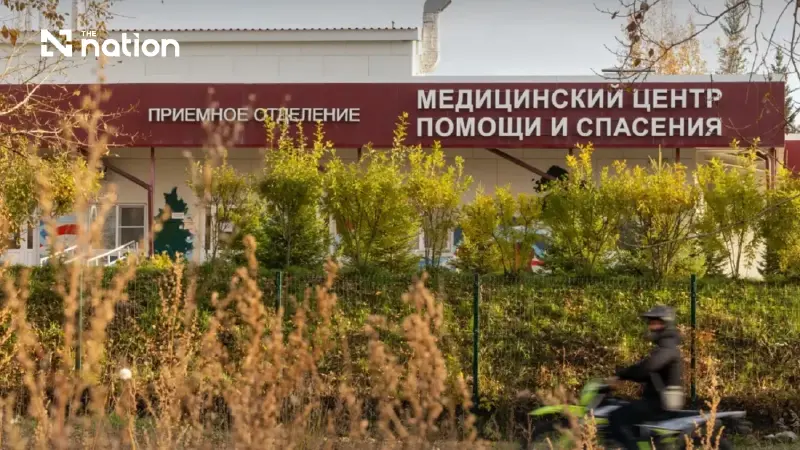


Claims of a second Siberian death remain unverified after an Irkutsk lab worker died of pneumonia. Russia denies any cases of pneumonic plague as the WHO seeks answers.
- Russian authorities have officially denied reports of a pneumonic plague outbreak in Siberia, despite unverified claims of a second death.
- Concerns were sparked by the death of a researcher from an anti-plague institute, which officials attribute to pneumonia of an undetermined origin.
- Despite the denials, authorities reportedly quarantined nearly 200 people who had contact with the deceased and increased infection-control measures.
- The World Health Organisation and the United States have requested greater transparency from Russia regarding the situation.
Unverified reports of a second death in Russia’s Irkutsk region in Siberia have raised concerns about a possible pneumonic plague outbreak, although Russian authorities maintain that no cases of the disease have been detected.
The reports follow the death of Darya Shipilova, a 28-year-old researcher at the Irkutsk Anti-Plague Research Institute of Siberia and the Far East. She died on October 2 at a hospital in Shelekhov, near Irkutsk, after suddenly developing severe pneumonia.
Initial accounts suggested that Shipilova may have been exposed to Yersinia pestis, the bacterium responsible for plague, after allegedly breaking a laboratory test tube containing the pathogen while at work.
However, neither the alleged accident nor any connection between her illness and plague has been confirmed.
Russia’s public health watchdog, Rospotrebnadzor, maintains that Shipilova died from pneumonia of undetermined origin and insists that no plague infections have been identified in the region.
Despite those assurances, reports indicated that authorities initially placed nearly 200 people who had been in contact with Shipilova under quarantine or medical observation. Dozens of employees at the institute were also isolated, while local hospitals reportedly stepped up infection-control measures, with medical personnel wearing personal protective equipment (PPE).
Questions surrounding the incident deepened after reports about suspected plague infections disappeared from several Russian national and local news websites. A warning previously issued by local authorities advising residents to avoid travelling to Shelekhov was also removed.
Kremlin spokesman Dmitry Peskov dismissed much of the media coverage as inaccurate and urged the public to rely on official information from Rospotrebnadzor rather than unverified rumours.
Meanwhile, the World Health Organisation (WHO) has sought further clarification from Russian authorities about the circumstances surrounding Shipilova’s death, the quarantine measures imposed in the area and reports that other staff members have begun showing symptoms of pneumonia.
WHO Director-General Tedros Adhanom Ghebreyesus has emphasised the importance of timely and transparent information-sharing, warning that incomplete information could hamper an accurate assessment of potential public health risks.
The situation has also drawn attention from Washington. US Secretary of State Marco Rubio has called for greater transparency from Russia, stressing the need to monitor developments closely.
President Donald Trump has expressed concern over the incident and indicated that the United States is prepared to assist Russia if Moscow requests support.
Pneumonic plague is the most severe form of plague and affects the lungs. It can spread from person to person through infectious respiratory droplets, particularly during close contact.
Although the disease can quickly become fatal without treatment, early diagnosis and prompt antibiotic treatment can significantly improve the chances of recovery.
