
Enactus World Cup Returns to Southeast Asia, Empowering Youth Through Social Innovation


Enactus World Cup 2025 Presented by ThaiBev, a premier global social entrepreneurship event, marks Enactus’ dynamic return to Southeast Asia.
The competition, set for September 26–28 in Bangkok, Thailand, aims to empower young people to drive social change—spotlighting Thailand’s Sufficiency Economy Philosophy (SEP) and its relevance in today’s sustainability landscape.
This year also marks the 50th anniversary of Enactus, a global experiential learning platform committed to training students in entrepreneurial leadership. The 2025 event is hosted in partnership with the Rakkaew Foundation and is being held alongside Sustainability Expo 2025 (SX2025), the region’s largest sustainability-focused event. The competition is presented by ThaiBev.

“We were impressed with the proposal by the Rakkaew Foundation,” said George Tsiatis, CEO of Resolution Project and Enactus Global. “Though the Thai team had been out of the network since 2016, they maintained a strong local program and continued student training.”
Tsiatis noted that several factors go into selecting a host country: a capable local team, venue quality, partner support, logistics, safety, and overall alignment with Enactus’ mission. Thailand and SX2025 met all of those criteria—plus the opportunity to reconnect with Southeast Asia’s fast-evolving youth and sustainability ecosystem.
“We're excited to elevate youth voices and give them a platform in the global sustainability conversation,” said Tsiatis. “There’s incredible momentum here—regionally and globally.”

A Platform for Regeneration
The 2025 event is themed “Generation:Re”, celebrating the power of young people to reimagine, restore, and regenerate the world. Many of the participating students are inspired by Thailand’s SEP framework, built on moderation, resilience, and sustainable development—values that closely align with Enactus' mission.
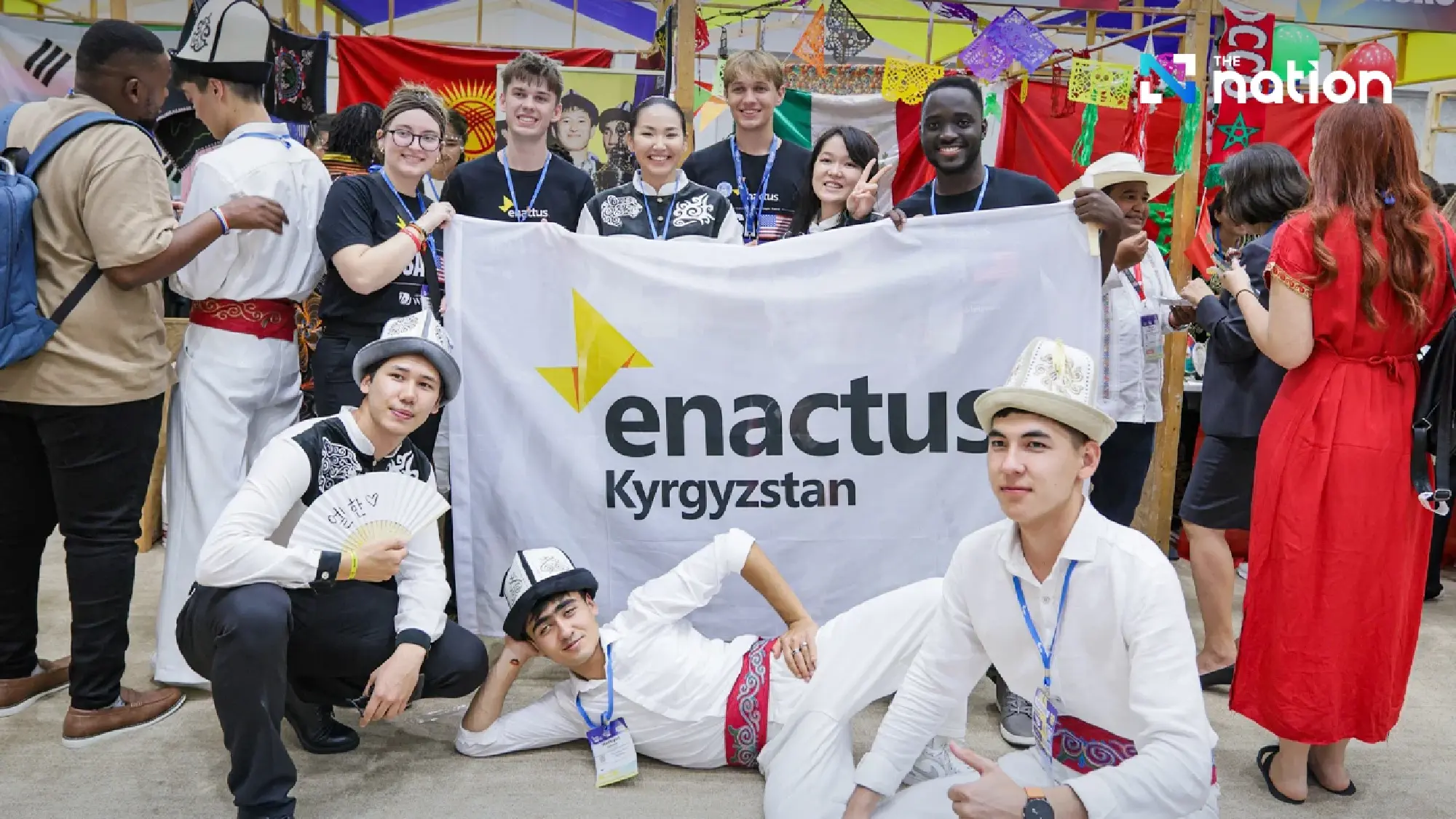
Over 2,000 students, educators, and staff from 35 countries are expected to take part, showcasing entrepreneurial projects that address real-world challenges. Students gain not only presentation experience but also valuable strategic insights—equipping them to turn these initiatives into viable enterprises or meaningful careers.
“This program prepares students for life after graduation,” Tsiatis explained. “Entrepreneurship is one path, but we also want them to bring business principles into nonprofits and other sectors where they can do good.”
This year, one standout project came from Chulalongkorn University, where students are repurposing waste from cacao processing into cattle feed. This innovation not only cuts waste and boosts value for local producers but also helps reduce methane emissions—a significant environmental win.
Beyond the Competition
Importantly, students are not expected to immediately implement their projects after the competition. Many move on to jobs or further studies. However, those who choose to revisit their projects later are supported by Enactus and the Resolution Project through mentorship, leadership development, funding connections, and more.
“If students decide to continue, we’re ready to support them,” Tsiatis said.
Beyond entrepreneurship, the Enactus World Cup also fosters cross-cultural connections and lifelong friendships.
“Having students from 35 countries, learning from one another, is what makes this event unique,” said Tsiatis, adding that the true success lies in how they carry these lessons forward—to create lasting impact in whatever path they choose.

A Legacy of Adaptation
Enactus began in 1975 as Students in Free Enterprise (SIFE), a response to economic uncertainty and a vehicle for promoting business education. By the 1990s, as global dynamics shifted, so did its mission—expanding internationally and emphasizing ethical entrepreneurship.
In 2012, SIFE rebranded to Enactus, reflecting its broader mission: Entrepreneurial Action for Us All—with “EN” standing for entrepreneurship, “ACT” for action, and “US” for social impact.
Its recent integration with the Resolution Project has further strengthened Enactus’s support for student-led ventures—transforming it from a learning platform into a launchpad for long-term impact.
Looking ahead, Enactus plans to welcome 5–10 new countries into its network, continuing its global expansion and commitment to inclusive entrepreneurship.
“We want more students to have the opportunity to turn their ideas into sustainable ventures,” said Tsiatis.
With its return to Southeast Asia and a new generation of changemakers on the rise, Enactus World Cup 2025 is poised to inspire bold action, spark global collaboration, and shape a more sustainable future—starting with the youth of today.
