
The Mend announces new ketamine programme for depression in Bangkok
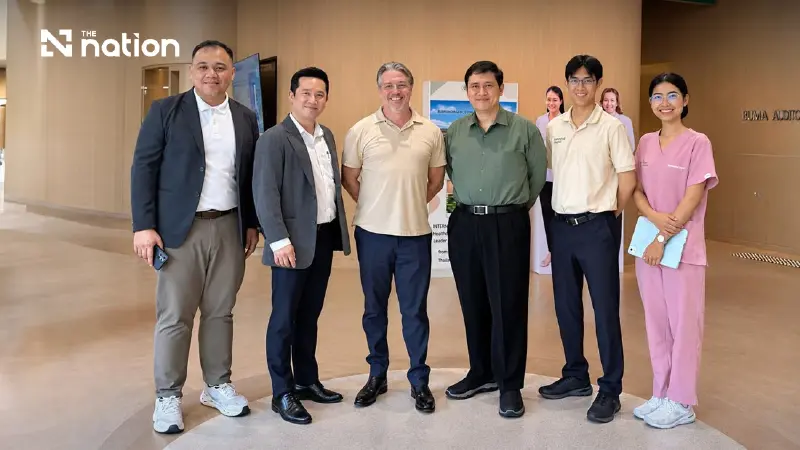


The Mend launches Southeast Asia’s first private residential ketamine-assisted therapy programme for depression in Bangkok.
- The Mend has announced Southeast Asia's first private residential ketamine-assisted therapy programme in Bangkok for adults with treatment-resistant depression.
- The six-day course combines three medically supervised intravenous (IV) ketamine infusions, administered at a hospital, with a structured programme of psychological therapy at a five-star hotel.
- Commencing in late November 2026, the programme is open to eligible adults from Thailand, Singapore, Hong Kong, Australia and other international markets to address a regional treatment gap.
BANGKOK, THAILAND – The Mend has announced Southeast Asia's first private residential ketamine-assisted therapy programme for adults with treatment-resistant and persistent depression.
The six-day Bangkok programme combines three medically supervised intravenous (IV) ketamine infusions with psychological preparation, individual and group therapy, integration and body-based work. The medical team at Bloom Mental Wellness Hospital administer the infusions, while the residential programme takes place at a five-star hotel overlooking the Chao Phraya River.
The first participants arrive in late November 2026, with the programme open to eligible adults from Thailand, Singapore, Hong Kong, Malaysia, Australia and other international markets.

Addressing a regional treatment gap
Depression remains a significant concern across Asia. In Hong Kong, a 2025 survey found nearly 30% of respondents reporting moderate-to-severe depressive symptoms. Malaysia and Thailand have an estimated one million and 1.3 million people living with depression respectively, while a 2022 Singapore study found depressive symptoms in 14.1% of surveyed adults.
Studies indicate that up to 60% of people do not respond adequately to their first antidepressant. For many, depression persists through years of medication changes and psychological therapy.
IV ketamine has been used in US and European specialist settings for over a decade, with research supporting rapid relief in treatment-resistant depression. Southeast Asian access has largely been limited to public hospitals and university clinics, without a private programme combining medical treatment and structured psychological therapy.
"Across the region, there are people who have spent years trying different medications and therapies without finding meaningful relief," said Simon Lewis, Co-founder of The Mend.
"We established The Mend to bring together specialist medical care, experienced psychological therapists and a structured residential environment, offering a comprehensive treatment programme within Southeast Asia."
Combining medical and psychological treatment
Unlike conventional antidepressants, ketamine acts primarily on the brain's glutamate system and can relieve depressive symptoms within hours or days rather than weeks. Clinical trials of IV ketamine have reported response rates of up to 70% in treatment-resistant depression, although outcomes vary.
"The medical administration of ketamine is a specialised procedure that must follow clear clinical protocols," said Dr. Chatupat Khunsong, Medical Director of Bloom Mental Wellness Hospital. "Our priority is to ensure that treatment is delivered under qualified medical supervision, and patient safety is monitored throughout. This provides the clinical foundation for the wider therapeutic programme."
Research suggests ketamine promotes neuroplasticity, the brain's ability to form and strengthen connections, potentially supporting new patterns of thinking and behaviour through therapy. The Mend schedules therapy and integration after each infusion. Longer-term benefits of combining ketamine with psychotherapy remains an active area of research.

Programme and outcomes
The programme includes ketamine-assisted therapy, breathwork, movement and structured rest. Participants undergo medical assessment, with all infusions monitored by doctors.
On completion, participants receive a clinical handover to their existing psychiatrist or therapist, or a referral in their home location. The Mend measures depression and quality-of-life outcomes at discharge, 30 days, 90 days, six months and 12 months.
The six-day programme includes six nights of private accommodation, treatment, therapy, meals and transfers between the hotel and hospital. The introductory price is US$3,750.
For programme details, eligibility criteria and media enquiries, visit www.themendthailand.com, email [email protected] or WhatsApp +66 64 485 4246.
