
Virabongsa to head overseas in bid to reassure investors
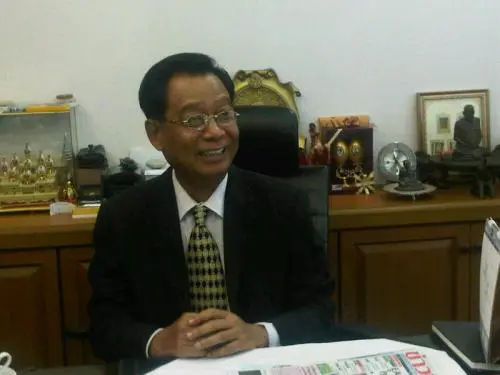


Starting with trips to London and Tokyo next week to deal with business grievances, Virabongsa Ramangkura vows to complete the long-term rehabilitation strategy within months as the government's last-ditch effort to restore investor confidence.
“My short-term priority is to assure business communities – Thai and foreign – that this kind of disaster will not happen again, even if there’s rain like this next year,” he said in an interview yesterday.
As chairman of the government’s new Rebuild Strategy Committee, he will fly to London on November 26 to convince Lloyd Group, the world’s biggest re-insurer, of Thailand’s flood-prevention plans. On November 28, he will meet reinsurance companies in Tokyo.
Re-insurers have been threatening to hike premiums on fears that this disaster will reoccur and cause more damage to business.
Most of the factories in the seven inundated industrial estates are Japanese. Damage claims are approaching Bt200 billion out of the Bt800 billion insured.
Virabongsa’s message to the re-insurers is, “We’ll try our best. We’ll do everything”. He hopes that they won’t raise premiums, which would otherwise increase the operating cost of factories here and reduce Thailand’s attractiveness. Success of the trips will reassure the business community, like Toyota, which vows to invest more here, of Thailand’s competitiveness.
To the economic guru, this crisis could be turned into opportunity as this forces Thailand to urgently upgrade infrastructure and water management systems.
Virabongsa’s panel is seeking support from nearly all ministries and government units to synchronise water-management plans, including His Majesty the King’s initiatives. It now awaits a water-management report from the committee chaired by Chaipattana Foundation chairman Sumet Tantivejakul.
The synchronised plan will be broken down into action plans and then budgets. All decisions from planning to implementation will require the Cabinet’s approval. Vital is a special law to grant authority to the committee, with some 30 men, which will monitor implementation progress.
The plans would then be implemented over a 510year period. Virabongsa is not concerned about financing, given the country’s huge foreign reserves of nearly US$190 billion (Bt5.85 trillion). The reserves could be drawn for these projects, while the Financial Institutions Development Fund’s debts should be passed on to the Bank of Thailand to lessen public debt and increase the state’s borrowing capacity.
“I’ll try to make it permanent, as a planning agency, so that it’s not affected by changes of governments,” he said.
