
Risk mangement plan urged to bolster tourism


Play
Risk-management plans for tourism need to be prepared to cope with any further instability this year so that Thailand remains on top of travellers' minds.
“Rebuilding tourism is not just putting more effort into marketing and strategy, but also into prevention and rehabilitation,” said Kongkrit Hiranyakit, president for policy and planning at the Tourism Council of Thailand (TCT).
Thailand’s image overseas as a country at high risk of natural disasters, the economic meltdown in Europe and internal political strife are all issues that will cast a cloud on the Thai hospitality scene through 2012, he said. All parties must develop specific plans to deal with these issues, besides making adjustments to marketing activities and strategic plans.
Although tourism has been cruising along on a growth trajectory over the past 50 years, the industry will likely no longer enjoy that kind of ride. Particularly over the past 10 years, the road has been strewn with unexpected events.
Tourism was hit hard by the outbreak of severe acute respiratory syndrome in 2003, then was buffeted by many other ill winds including the tsunami in 2003, the political coup in 2006, the airport takeover and shutdown in 2008, the collapse of the Asean Summit during another protest in 2009, Bangkok riots in 2010 and massive inundation in 2011.
Even thought arrivals are still climbing, the proof of Thailand’s slippage is the drop in its market share of international visitors in Southeast Asia – from 36 per cent in 2003 to 30 per cent in 2010.
The flooding in 2011 caused tourism losses of Bt40 billion to Bt50 billion, as visitors increased to Malaysia by 5 per cent and to Singapore by more than 2 per cent.
The TCT has urged the government to establish a Tourism Risk Fund as a reassurance for tourists that they will always be taken care of so that they continue coming back even during difficult times.
The government must also improve its delivery of news by dispensing facts and guaranteeing the safety of tourists from their first steps into the country until they leave, the council says.
Over the next three or four years, Thai tourism will face even tougher competition as the government forecasts growth from 15.96 million international arrivals and Bt592.79 billion revenue in 2010 to 31.8 million foreign visitors and Bt2 trillion receipts in 2015, Kongkrit said.
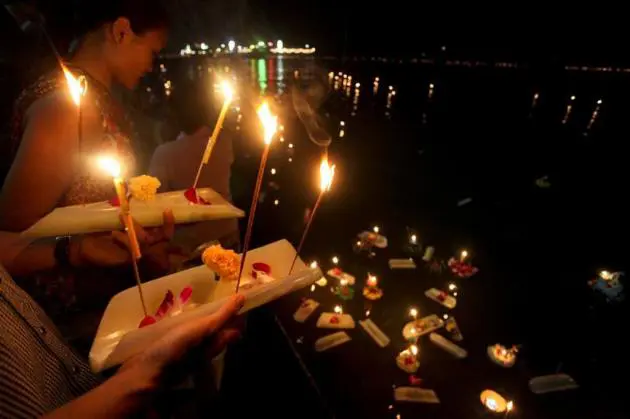
Prakit Chinamourphong, president of the Thai Hotels Association, urged the government and the private sector to restore tourism by transforming simple events such as the Songkran and Loy Krathong festivals into global galas.
“A huge budget is needed if we want to see the country stay at the top of the region,” he said.
