
China expected to stick to old game


Play
China's political change is not expected to lead to a change in the country's economic direction, but reforms in several areas, said Standard & Poor's Ratings Services.
The rating company believed that Chinese policymakers will continue to strive for annual economic growth of above 7 per cent in the next five to 10 years. Efforts to deepen reforms in the financial system and the state-owned enterprise sector are likely to continue in order to achieve this relatively strong growth.
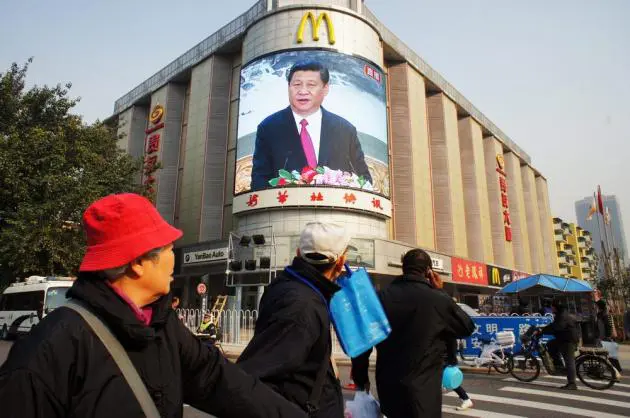
Beijing has announced the new seven-member standing committee of the Political Bureau of the CPC Central Committee, which marks the beginning of the transition to a new set of national leaders in China. After the Chinese Communist Party leadership change, top positions in the central government are also likely to change in early 2013.
S&P now rated China at "AA-" with stable outlook.
"Reforms in several key areas are also likely under the new government, in our opinion. The expected 10-year tenure of the new incoming national top leadership should allow them to carry out structural changes that affect many interest groups and need time for implementation," the rating company said in a statement.
A change in the financial relationship between the central and local governments in China is one area.
"We believe the central government will try to move to a fiscal model that will allow a more transparent and sustainable financing of local government investment projects. We also expect the increased attention to narrow income disparity and rebalance the economic growth structure to continue."
"In our view, the successful achievement of many of the goals outlined above would benefit China's sovereign credit quality. Strong sustained economic growth would further gains in Chinese income, wealth, and efficiency to increase its buffer against potential economic or financial shocks. A more transparent and sustainable fiscal framework would also contain the increase in the government's explicit and contingent liabilities. And a narrower income disparity would ease social tension and provide more flexible options for policymakers."
