
Fitch looks at assigning credit ratings to media
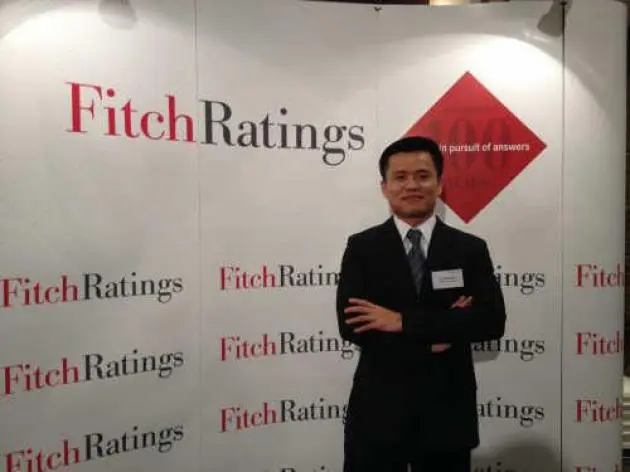


Fitch Ratings (Thailand) is looking into assigning corporate ratings to bond issues by the media and telecom sectors.
Lertchai Kochareonrattanakul, the agency’s senior director for corporate funds, said Fitch expected increased demand from media corporates for financing through bonds to support their investment in digital television. Fitch Thailand is considering assigning credit ratings to this sector if it sees clear demand.
He said the company would also analyse the possibility of rating telecommunication corporates, as this sector has to invest in improving the third-generation cellular network.
Fitch Thailand currently provides credit ratings to 24 corporates, but not to media companies. In the telecom sector, Fitch has assigned a rating of "BBB+" with "stable" outlook to Advanced Info Service and "BBB-" with "positive" outlook to Total Access Communication (DTAC).
Lertchai said the agency had a generally positive outlook for the telecom sector because of the improvement of regulations. However, this sector so far this year has invested heavily in network expansion, causing increases in the ratio of debt to earnings before interest, taxes, depreciation, and amortisation (Ebitda).
Fitch is monitoring the debt-to-Ebitda ratios of the telecom, energy and retail sectors, as all three have been investing heavily this year on business expansion and acquisitions.
Fitch Thailand recently assigned retailer CP All’s secured bonds an "A+(tha)" national long-term rating. The proceeds from the bonds will be used to refinance some of the bridging loans from banks that CP All used to finance its acquisition of Siam Makro. Debt to Ebitda of CP All rose to 5 times, but the rating company expects this to improve to 2-3 times in the next three years.
Lertchai said telecom corporates had moved from net cash to net debt to Ebitda. However, the sector’s debt-to-equity ratio is only 1.5 times, while D/E of the energy sector is still low at 2-2.5 times.
Fitch has not changed its overall positive outlook for Thai corporates because they are generally well managed and have strong financial status. However, some businesses remain at risk of further volatility from uncertain commodity prices.
He said corporates with regional business links such as energy and petrochemical firms faced higher risk than those dependent only on domestic consumption, because commodity-price volatility has affected their margins.
Bonds would continue to be issued by larger corporates rather than new medium-sized firms, he added.
