
Meet scheduled on tax, debt policies
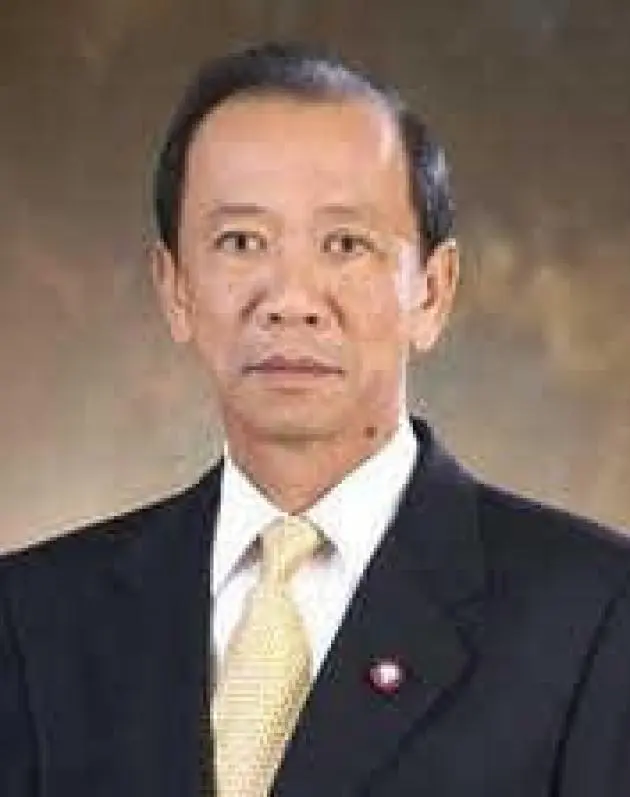


Finance Minister Sommai Phasee will meet with the heads of public agencies and state enterprises under the ministry on September 15 to decide on policy by focusing on tax collections, inheritance and real estate tax bills and debt management.
The ministry’s policy will comply with the government’s economic policy. They include improvement of tax collections, economic measures and management of public debt arising from the former government.
Chularat Suteethorn, director-general of the ministry’s Public Debt Management Office (PDMO), said the PDMO was formulating management plans for debt arising from the previous government, and identifying which parts of the Bt700 billion debts needed to be dealt with on priority.
About Bt500 billion debt from the rice-pledging scheme is targeted for total repayment in five years; about Bt30 billion out of Bt90 billion is due for repayment next year and will be allocated from the budget and Bt60 billion will come from the Commerce Ministry’s rice sales. Given the National Council for Peace and Order’s policy to narrow the income gap, the government will push for the inheritance and real estate taxes.
Based on the drafted proposed by the Revenue Department, inheritance tax will be levied on assets valued at more than Bt50 million. Assets appraised at less than Bt50 million would not be taxed. The assets, which must be registered, include houses, land, cars, bonds, deposits and securities.
The draft of the real estate tax proposed by the Fiscal Policy Office to replace the house and building tax and local development tax, will be an improvement on the draft from the government led by Abhisit Vejjajiva. The tax ceiling will be higher to cope with the country’s likely expansion in the future.
The new law may set tax rates at up to 0.5 per cent of appraised value for land and buildings for residential purposes, and land for agricultural purposes, and up to 1 per cent for land for commercial purposes, and up to 2 per cent for unused land.
The FPO expects the real estate tax to generate higher revenue than the house and building tax and the local development tax. Both generate about Bt20 billion per year for local governments.
If the new tax is employed at only half of the tax ceiling, local governments will earn more than Bt40 billion per year.
Such tax revenue from local governments will help lessen the government’s burden for budget allocation to local areas. Now, local governments are set to collect their own revenue and receive about 26-27 per cent of the central government’s revenue.
