
New management structure revitalises General Engineering's prospects


Play
General Engineering's new management team is confident that the Thai company's new business direction will be irreversible and it is on track to become a sustainable integrated engineering company in five years.
“My friends and I hold nearly 40 per cent of the company, and we’re confident that we control the voting, given that a large number of the remaining shares are held by individual investors,” chief executive officer Thitipong Tangpoonphonvivat said.
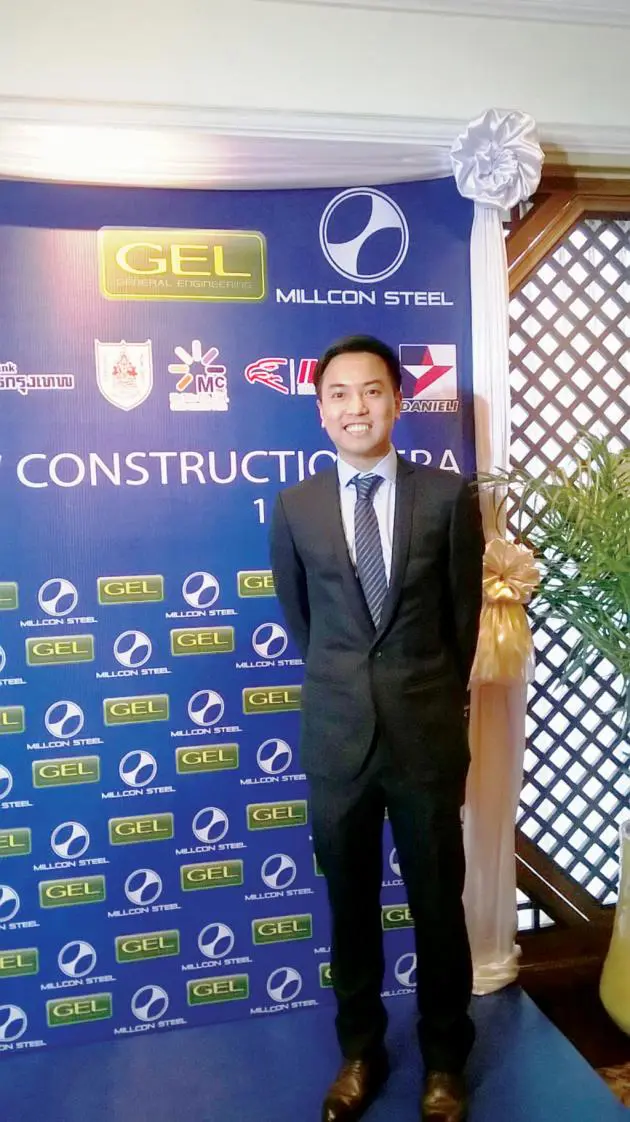
He was speaking on the sidelines of a seminar in Yangon last week that marked another level of cooperation with Millcon Steel in jointly expanding their steel and concrete businesses into Myanmar.
GEL’s business structure will not be derailed and subject the company to stock speculation as in the past, he said. As of March 21, the company’s free float – the proportion of shares held by small investors – was above 98 per cent.
Some investors may shun companies with a bad reputation but Thitipong and his friends considered that the firm, then trading as GEN, had business potential. Plus, they could take control of the company with minimal money and turn it into a profitable business.
With their participation, GEN underwent a stock split and was recapitalised. Stakes in some subsidiaries were sold, while it acquired stakes in new companies, including Millcon Steel.
Having been in the engineering industry for more than 50 years, GEN focused on piling construction materials. Under the new business structure, GEL aims to become an integrated engineering company offering construction materials and pre-cast items for infrastructure and property-development projects.
“Our aim is that whenever one plans to build a condominium, they will think about us,” he said.
GEN is winning back support from banks and investors. For years, it had failed to secure a bank loan. Now, Bangkok Bank and Krungthai Bank offer long-term and working-capital loans, even when the company could not meet its sale growth target of 30 per cent this year because of the political instability. “I believe that this will be a trend,” Thitipong said.
He indicated the potential of listed companies in several sectors that were poorly run but have growth potential under new management.
