
Europe, US still alluring for acquisitions: SCB


Play
Local corporations are still chasing businesses in Europe and the United States, as both regions are large enough to help improve their economies of scale, according to Siam Commercial Bank.
This year, mergers and acquisitions (M&A) activities by large corporations are likely to pale compared to the years before. The big deal was by Thai Union Group, which will take over Bumble Bee Seafoods – the largest branded shelf-stable seafood company in North America.
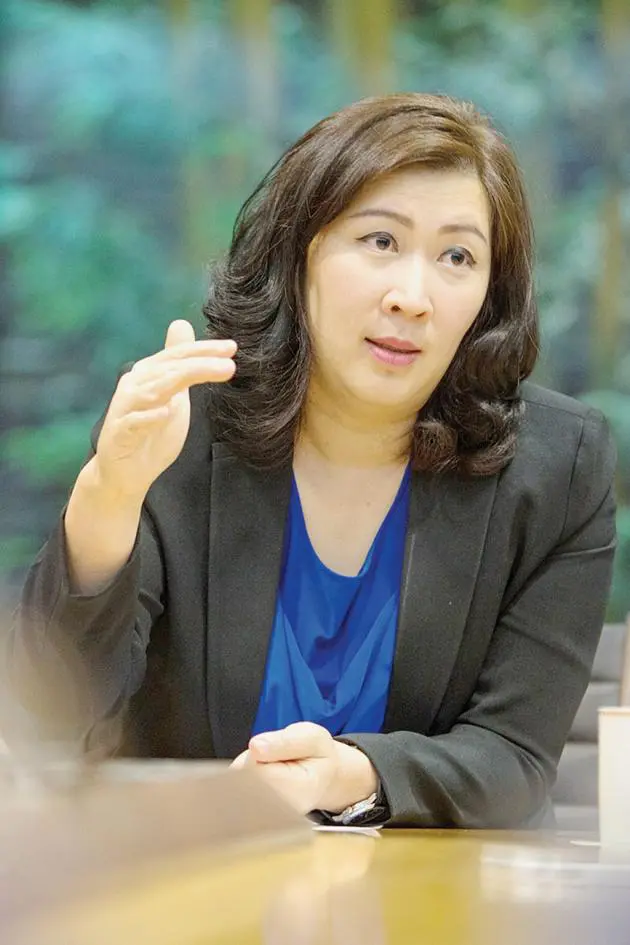
Pimolpa Suntichok, first executive vice president and head of corporate banking 1 in the wholesale banking group, said last week that companies in the EU and the US have continued to dispose of assets but most sellers are among private equity owners.
Businesses in the EU and US are considering what kind of businesses should attract buyers, while Thai corporations are still interested in buying assets over there, she said.
Assets in the US and EU that are under the spotlight are large because they can help boost efficiency, while assets in neighbouring countries are attractive for network expansion and cost reduction.
The global economic uncertainty is a key factor for Thai corporations to start speeding up their activities including fund mobilisation late this year after suspending activities in the first half.
“Customers are worrying about risk management to deal with the unexpected risk from the economic uncertainty. Many deals in the bank’s pipeline turned active, and this will help support income for SCB’s wholesale banking in 2015,” she said.
SCB’s wholesale banking income in 2014 witnessed flat growth but in 2015, SCB aims for at least 10-per-cent growth. Loans are expected to increase by 5-6 per cent, up from 4-5 per cent this year.
Fee income is expected to reach 50 per cent of total income next year, which is a suitable ratio for wholesale banking. The ratio currently is over 45 per cent but less than 50 per cent.
Key factors helping to boost wholesale loans and income are the government’s projects, renewable energy projects and the upcoming 4G mobile spectrum auction.
Corporations in commodities battered by lower prices are diversifying into renewable energy to add value to their business. Renewable energy could also help their capital efficiency.
At least 20 per cent of the business of corporations in the commodity segment is in renewable energy led by biomass. Corporations require loans to support their electricity generation from renewable energy, so renewable energy is a focus business for SCB wholesale banking.
The bank wants to have more exposure to wholesale banking in the GMS (Greater Mekong subregion) because customers have activities over there even though the corporations going to this region are not large.
Myanmar presents the greatest opportunity because of huge consumption compared with other countries in the GMS.
The bank and Mizuho Bank are collaborating to launch their first joint project. SCB recently formed a strategic partnership with the Japanese mega bank to accommodate the coming flood of Japanese investors.
Renewable energy in Japan is interesting for Thai corporations. The bank is dealing with one that is buying a renewable energy company in Japan, she added.
