
Ministry to offer marine insurance incentives for importers, exporters
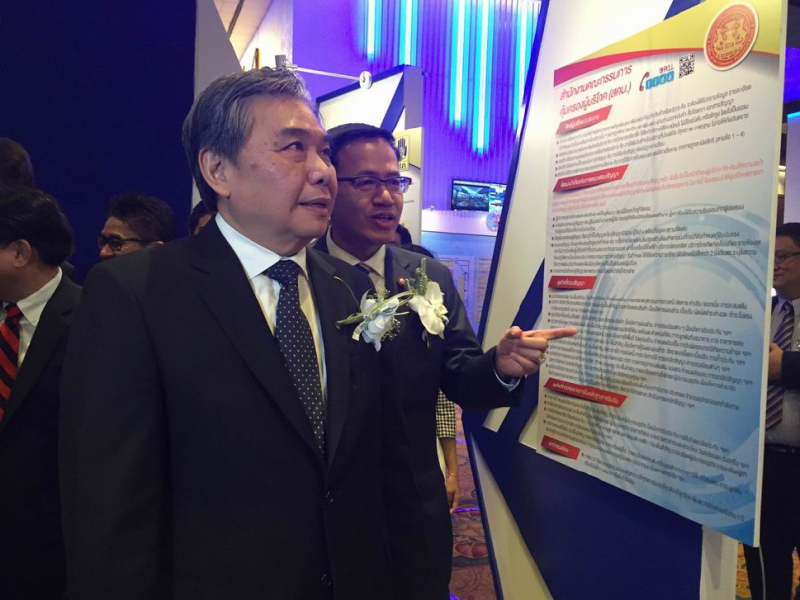


THE Finance Ministry will offer supportive measures to marine insurance in order to encourage importers and exporters to acquire this insurance to reduce risk.
Speaking at an “Insurance Expo” yesterday, Finance Minister Apisak Tantivorawong said marine insurance accounted for only 3 per cent of the Bt200 billion annual premium income from general insurance, a small amount compared with the Bt14-trillion annual value of import-export trade.
Marine insurance has been dominated by foreign firms, and local insurers should have a stronger role in this sector, he said.
The high premiums of marine insurance are a barrier to importers and exporters, so the Finance Ministry was ready to help lower this obstacle. He said the Thai General Insurance Association (TGIA) and the Office of the Insurance Commission would provide opinions on the matter to the ministry.
Local insurers have high exposure to motor insurance, which means that when car sales decline, the insurance business is affected as well. Therefore, insurance companies need new products to add value to their business, he said.
Apisak said the ministry might offer tax incentives to importers and exporters who buy marine insurance from local companies.
Anon Vangvasu, president of the TGIA, said the association would spend three months working on a strategy to enhance the usage of marine insurance.
Apisak said the personal-accident-insurance scheme for 8 million low-income earners who registered with the government would be proposed to the Cabinet in a few weeks, and he expects the plan to be implemented in November.
According to the proposal, the government will allocate a budget of Bt800 million per year to support the scheme.
About 30 general insurers have agreed to join the programme, for which registered low-income earners who want to be protected will be required to pay Bt99 per year.
Under the programme, participating insurance companies will pay up to Bt100,000 to survivors of policyholders killed in an accident, while policyholders disabled in an accident will receive compensation of Bt300 per day for a maximum of 30 days.
Apisak said the actual premium for such personal accident insurance should be Bt150 a year, but the ministry had asked for the cooperation of insurance firms and the TGIA to support low-income earners.
Further, the ministry has asked insurance firms to conduct a study on how to reduce the cost the government bears for its health-insurance scheme for civil servants.
Each year, the government budgets Bt60 billion for the medical expenses of civil servants and their families, but the expenses are typically higher than the budget. The budget should be adjusted, and the insurance firms could help manage the cost.
