
ASEAN concludes DEFA talks to boost digital trade by 30% by 2030
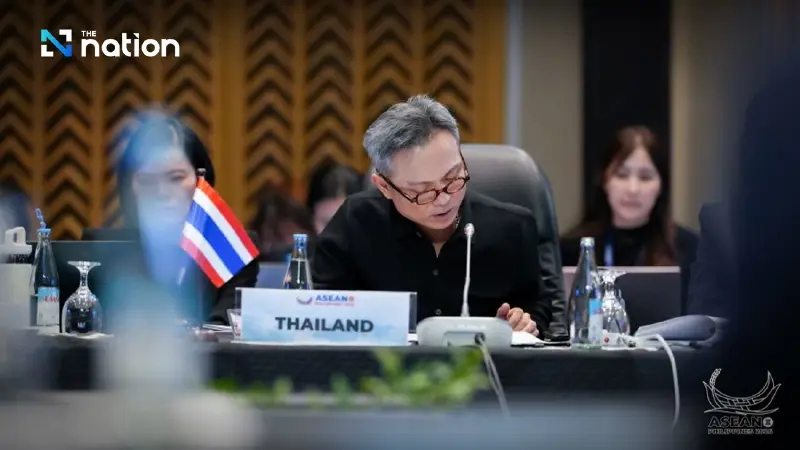


ASEAN has concluded negotiations on the Digital Economy Framework Agreement, billed as the world’s first regional digital economy pact, while advancing paperless trade, FTA upgrades and new economic partnerships to strengthen regional resilience.
- ASEAN has concluded negotiations on the Digital Economy Framework Agreement (DEFA), the world's first regional digital economy pact.
- The agreement is expected to boost the value of ASEAN's digital trade by as much as 30% by 2030.
- DEFA is designed to create common rules for the digital economy, improve cross-border cooperation, and help businesses adapt to the changing trade environment.
- The pact is anticipated to be ready for signing by the end of the year.
ASEAN seals digital economy pact talks
ASEAN has concluded negotiations on the Digital Economy Framework Agreement, the world’s first regional digital economy pact, in a move expected to boost the bloc’s digital trade by up to 30% by 2030.
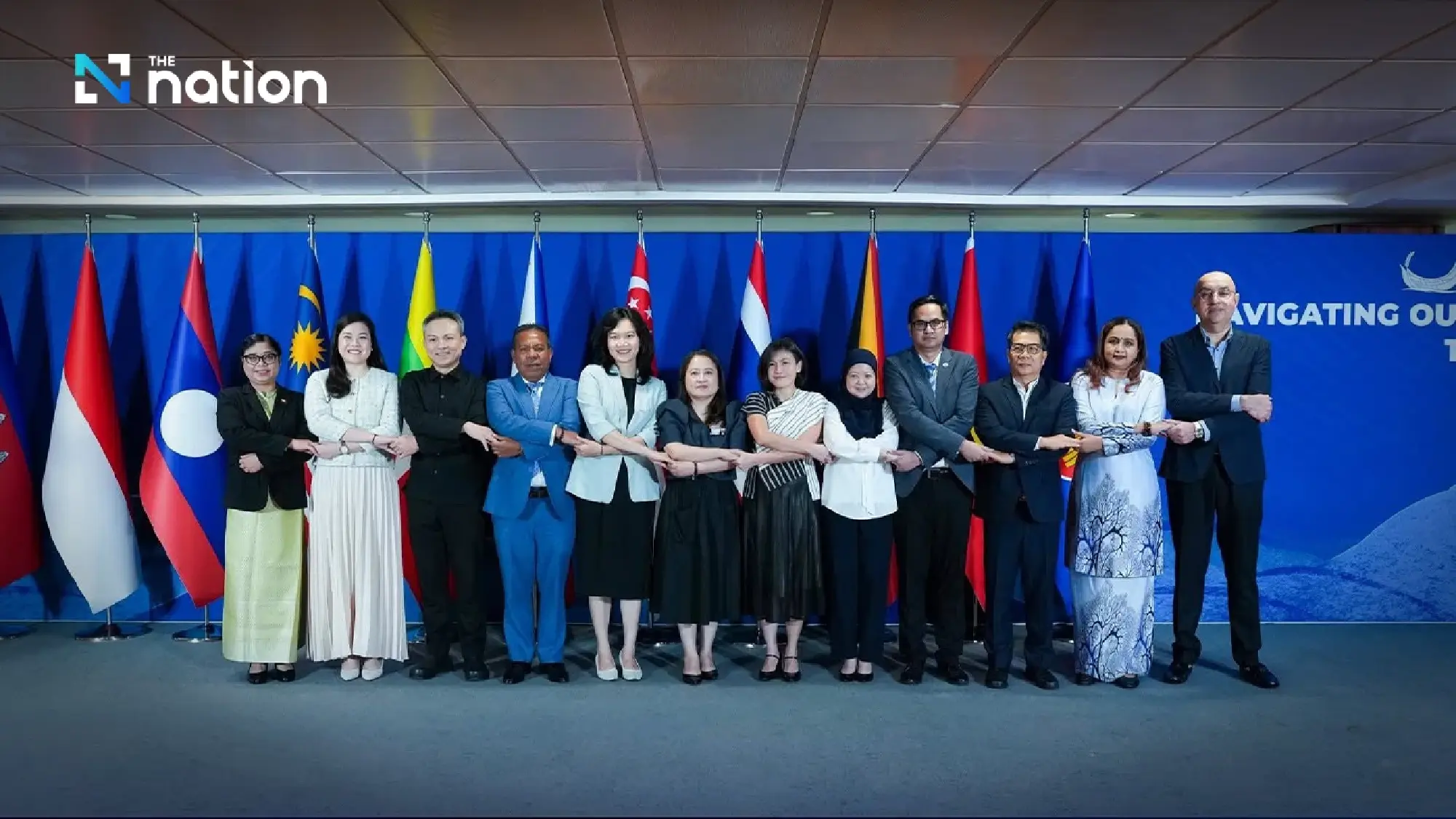
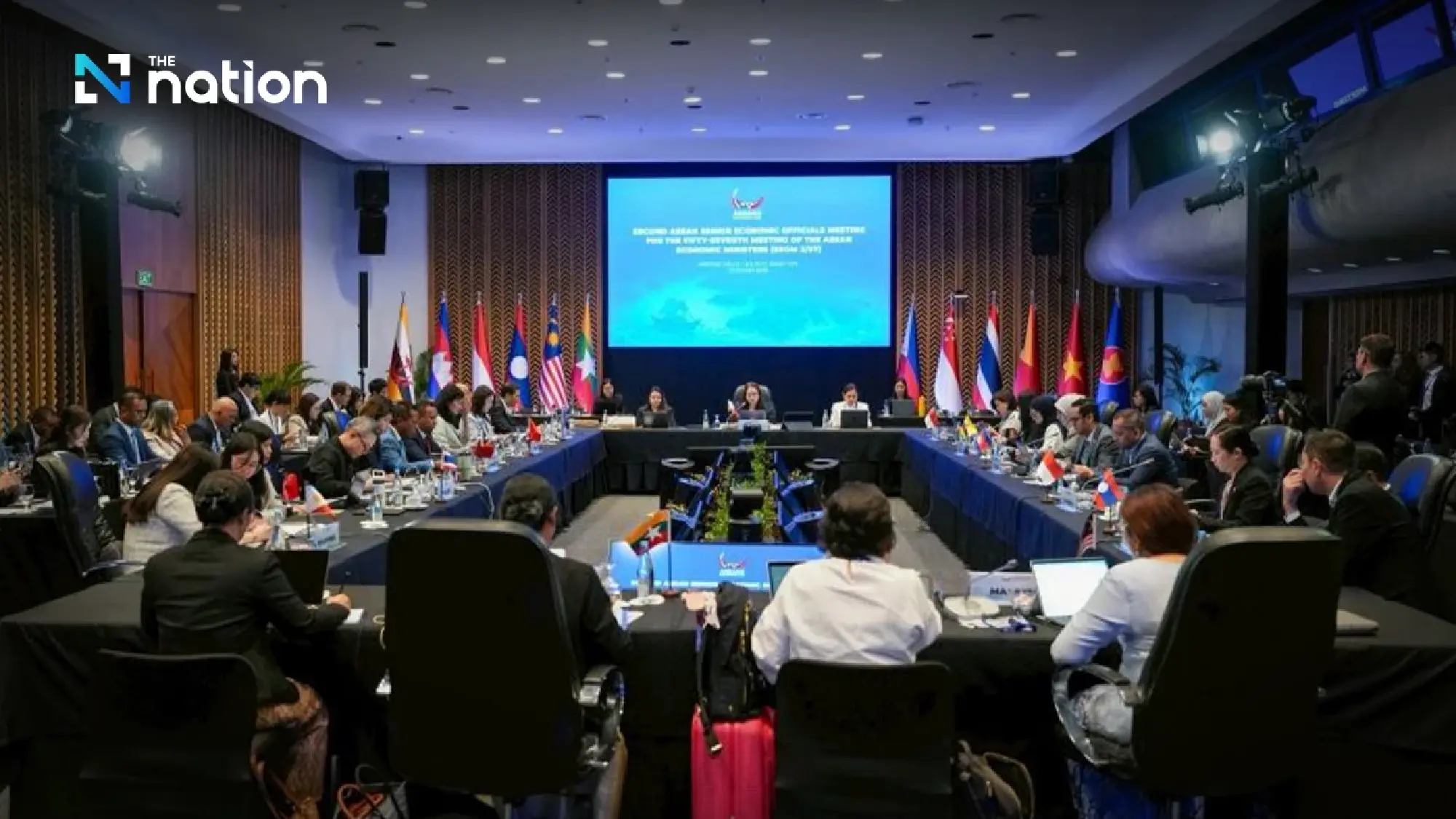
The Department of Trade Negotiations said the outcome was reached at the ASEAN Senior Economic Officials’ Meeting, or SEOM, in Manila, where member states moved to accelerate economic cooperation following ministerial-level decisions in May.
Thatchayanpon Aphimontechabut, deputy director-general of the Department of Trade Negotiations, said the second meeting of the 57th SEOM and related meetings with dialogue partners were held from May 27-31, 2026, in the Philippines.
He said the conclusion of DEFA negotiations marked a key step in ASEAN’s efforts to create common rules for the digital economy and strengthen the region’s competitiveness in digital trade.

Signing expected by year-end
The DEFA is expected to be ready for signing by the end of this year.
The agreement is designed to support digital trade, improve cross-border digital cooperation and help ASEAN businesses adapt to a rapidly changing trade environment.
According to the department, the pact is expected to help raise the value of ASEAN’s digital trade by as much as 30% by 2030, underlining the bloc’s ambition to become a more integrated digital economy.
ASEAN Single Window 2.0 endorsed
The meeting also endorsed the ASEAN Single Window 2.0 Roadmap, which aims to upgrade electronic connectivity among ASEAN member states.
The roadmap will expand cooperation on the exchange of electronic trade documents between ASEAN and its trading partners, helping to reduce paperwork, shorten customs procedures and improve trade facilitation.
The move is expected to strengthen regional economic connectivity and support a shift towards fully paperless and more seamless cross-border trade.

Trade partners push ahead with FTA upgrades
ASEAN also held talks with key dialogue partners, including China, Japan, Canada, Hong Kong and the Republic of Korea, as the region seeks to expand trade and investment cooperation amid global economic uncertainty.
The results of these discussions are expected to be submitted to the ASEAN Economic Ministers’ meetings with dialogue partners in September 2026.
With China, ASEAN pushed for ratification of the protocol to further upgrade the ASEAN-China Free Trade Area, or ACFTA 3.0, so that it can enter into force this year.
With Canada, both sides agreed to speed up negotiations on outstanding issues under the ASEAN-Canada Free Trade Agreement, or ACAFTA. These include market access for goods, services and investment, as well as new trade issues, with the aim of concluding negotiations this year.
Japan, Hong Kong and Korea talks advance
Hong Kong will accelerate its domestic process to enable the signing of the protocol amending the ASEAN-Hong Kong Investment Agreement, or AHKIA, as soon as possible this year.
ASEAN and Japan also agreed to begin a feasibility study on upgrading the ASEAN-Japan Comprehensive Economic Partnership, or AJCEP, which has been in force since 2009. The upgrade aims to make the agreement more modern and better aligned with current trade conditions.
With the Republic of Korea, the meeting reviewed progress in negotiations to upgrade the ASEAN-Korea Free Trade Area, or AKFTA. The next round of talks is scheduled for June 8-12, 2026, with the goal of achieving substantial progress towards concluding the upgrade by 2027.
ASEAN eyes new markets to reduce risk
The meeting also discussed ways to broaden economic cooperation with new potential partners, including the six Gulf Cooperation Council countries.
The department said this approach would help ASEAN reduce reliance on traditional markets, diversify trade risks and strengthen the region’s long-term economic security and value chains.
