
EU’s €3 parcel fee puts Thailand between export opening and import risk
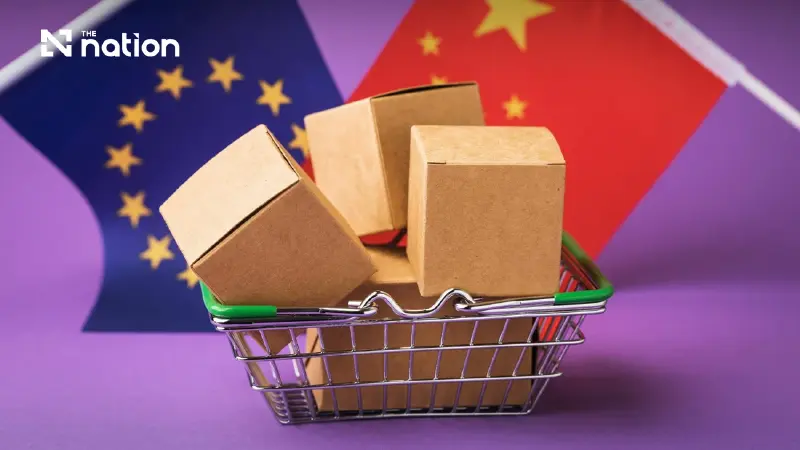


The EU’s new €3 customs duty on low-value e-commerce parcels may hit Chinese platforms such as SHEIN, Temu and AliExpress, but Thai exporters face both a chance to enter Europe and the risk of more cheap Chinese goods flooding ASEAN.
The European Union’s new €3 customs fee on low-value e-commerce parcels may deal a blow to Chinese online giants such as SHEIN, Temu and AliExpress, but for Thailand the bigger question is whether the measure will create a new export opportunity — or trigger a fresh influx of cheap Chinese goods into ASEAN.
Reuters reported that the EU began applying the new charge on July 1, targeting the surge in low-value e-commerce imports that had previously entered the bloc under the duty-free de minimis threshold of €150. The European Commission says the temporary €3 customs duty applies to low-value consignments worth up to €150 imported from outside the EU, replacing the exemption that was in place until June 30, 2026.
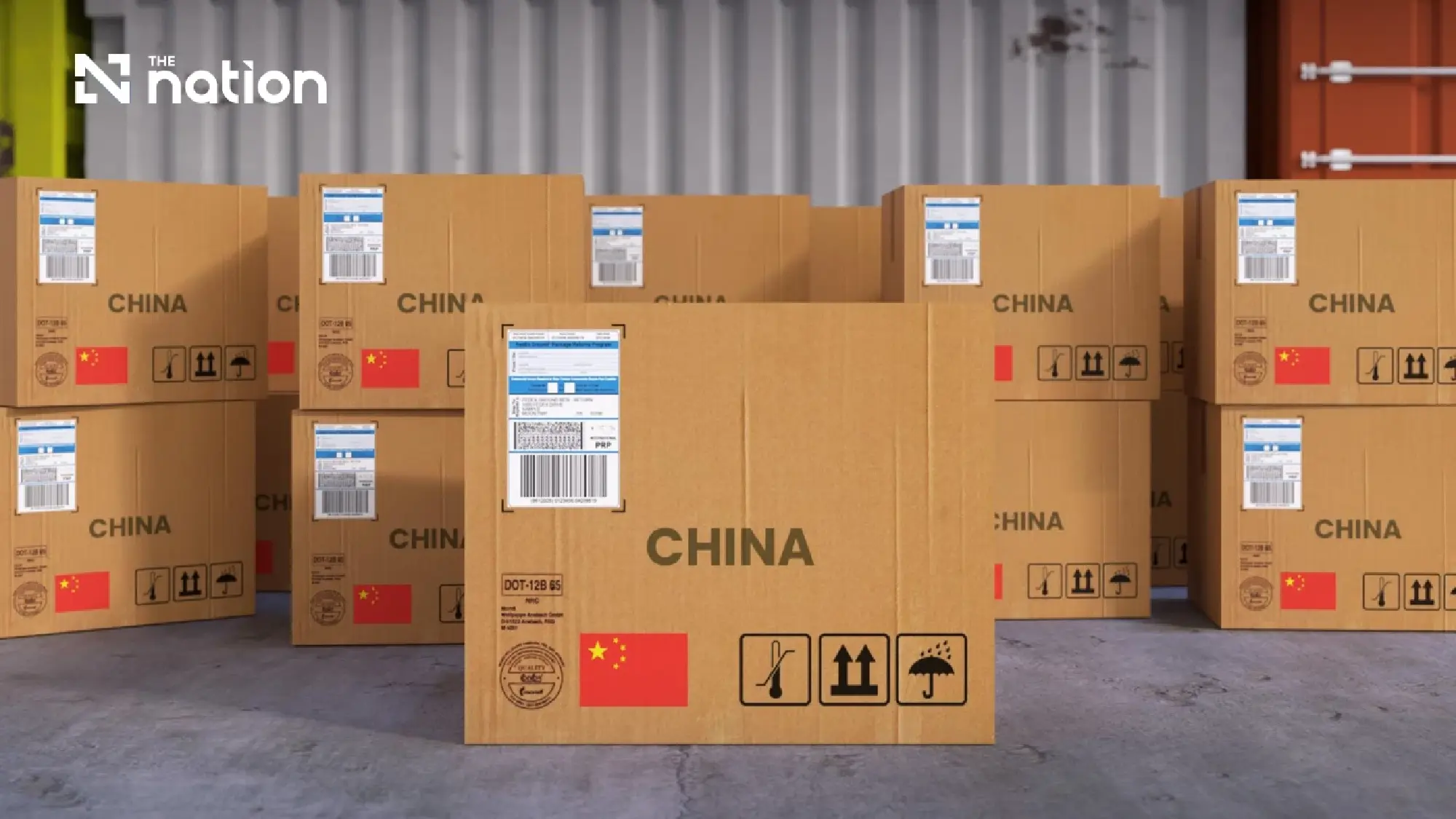
The measure is expected to affect major Chinese-linked online platforms, including SHEIN, Temu and AliExpress, which have built their European growth on ultra-fast fashion, low-cost household goods and direct-to-consumer parcel deliveries. EU data showed that almost 5.9 billion low-value items were shipped directly from third countries to consumers in the bloc in 2025, intensifying concerns over unfair competition, safety standards and customs enforcement.
New customs rule raises cost of mixed-product parcels
Under the new rule, the €3 charge is calculated by customs classification rather than by the total number of pieces in a parcel. For example, a parcel containing several T-shirts under the same product category would face a €3 charge, while a parcel containing a T-shirt, a wristwatch and a pair of trainers would be counted as three categories and face a total charge of €9.
The European Commission says the flat duty will apply until July 1, 2028, after which normal customs duties will apply depending on the type of goods. It has also said product identifiers will become mandatory from November 1, 2026, to improve traceability and help customs authorities detect unsafe or non-compliant goods.
The EU move follows similar pressure in the United States, which suspended duty-free de minimis treatment for Chinese and Hong Kong-origin goods in May 2025 before expanding the suspension globally from August 29, 2025.

Thailand urged to avoid blunt trade barriers
Wisit Limluecha, president of the Thai Future Food Trade Association, said the EU measure reflected an adjustment of customs systems to the digital trade era, aimed at protecting local businesses from the rapid rise of cross-border e-commerce.
He said the EU could move decisively because it is a large economic bloc with strong bargaining power and one of the world’s most important consumer markets. As a result, foreign platforms are likely to adapt to the new rules in order to preserve access to European consumers.
For Thailand, however, Wisit said any economic measure must take into account the country’s different context and trade structure. Thailand has already taken a more moderate and practical approach by collecting 7% value-added tax from the first baht of imported goods, a system he described as fair, universal and suitable for the Thai economy.
He said Thailand’s priority should be to create “fair play” under the same rules, rather than imposing aggressive trade barriers.
China ties make Thailand’s policy balancing act harder
Wisit said China remains a friendly country and a crucial export market for Thai agricultural products and fruit. Thailand’s trade policy must therefore strike a careful balance between protecting domestic operators and maintaining strong economic and diplomatic ties with China.
He said the right direction was not to build a protectionist wall, but to deepen cooperation while raising common standards. Thailand should enforce product safety rules, including Thai Industrial Standards Institute and Food and Drug Administration requirements, strictly and equally on goods from all sources.
At the same time, he said Thai SMEs should be supported to improve their competitiveness, produce goods and services that better match Chinese consumer demand, and strengthen their ability to respond quickly if export problems arise in China.
ASEAN could face heavier flow of Chinese goods
Aat Pisanwanich, an independent academic and expert on international and ASEAN economics, said the EU measure could further intensify global trade tensions and have a direct impact on Thailand.
He warned that as Chinese products face greater barriers in Europe, more of them could be redirected to ASEAN markets, including Thailand, where Chinese goods already have a strong presence. This could increase pressure on Thai manufacturers, retailers and SMEs, especially in price-sensitive consumer goods.
However, Aat said the same disruption could also open a window for ASEAN exporters, particularly Thailand and Vietnam, to replace some Chinese products in the European market — provided they can meet EU standards.
Rules of origin become key test for Thai exporters
Aat cautioned that Thai exporters hoping to benefit from the EU-China trade shift must prepare for tighter checks on rules of origin. Europe is likely to scrutinise whether products claiming Thai origin are genuinely made in Thailand, in order to prevent Chinese goods being rerouted or relabelled to avoid trade measures.
He said Thai businesses must be able to prove that their products are substantially produced in Thailand, contain the required level of local content, and are supported by reliable traceability systems.
The EU’s €3 customs duty on low-value e-commerce parcels is therefore both a warning and an opportunity for Thailand. As global trade rules shift rapidly beyond the old WTO-centred framework, tariffs, product standards and origin verification are becoming more important in determining market access.
For Thai businesses, the challenge is no longer just to compete on price. They must be ready for a new trade order in which compliance, traceability and credible production standards could decide whether Thailand becomes a winner from the EU-China trade shift — or merely absorbs the fallout.
Sources: Bangkokbiznews, Reuters
