
Thai rice exporter links US$97 per tonne gap to lost sales
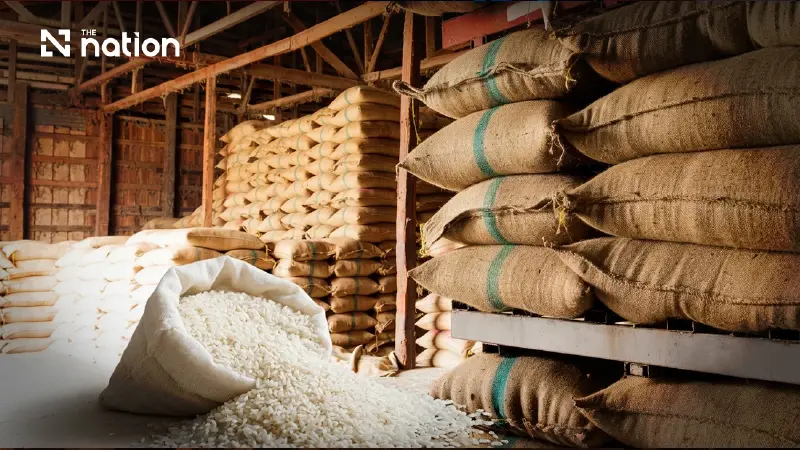


Chookiat Ophaswongse links Thai rice’s export problems to low yields, higher costs and a labour shortage that has extended ship loading to 20 days.
- Thai 5% broken white rice is priced at $485 per tonne, which is $97 more expensive than comparable Indian rice and significantly higher than rice from Vietnam and Pakistan.
- Due to this price gap, Thailand is losing sales and market share, with key buyers like Hong Kong and China switching to cheaper competitors, potentially dropping the country from 3rd to 4th place among global exporters.
- The high prices are attributed to several factors, including domestic speculation by millers, flood-related supply delays, low crop yields, and a labor shortage causing costly shipping delays.
Chookiat Ophaswongse, honorary president of the Thai Rice Exporters Association, has called for reforms to Thailand’s rice industry as high prices drive buyers towards cheaper competitors. Chookiat cited a white-rice price gap approaching US$100 per tonne.
Thailand could fall from third to fourth place among the world’s rice exporters if Pakistan overtakes it, according to Chookiat. Continued losses of market share and competitiveness could also put a return to the top position beyond Thailand’s reach.
Chookiat urged the government and relevant agencies to look beyond rising domestic rice prices, arguing that higher prices were undermining export competitiveness while shipments were declining.

Thai white rice costs US$97 per tonne more than India’s
Thai 5% broken white rice was quoted at US$485 per tonne, compared with US$420 for Vietnam, US$410 for Pakistan and US$388 for India, according to Chookiat. The figures put Thailand US$97 per tonne above India, with overseas buyers increasingly choosing cheaper supplies.
Thai jasmine rice, or Hom Mali rice, faced a similar challenge, Chookiat reported. Thai prices stood at US$1,100 per tonne, compared with US$750 for Cambodian fragrant rice and US$525–555 for Vietnamese fragrant rice.
Cambodian fragrant rice previously exported through Thailand was now being shipped directly because of problems along the border, according to Chookiat. Cambodian suppliers were offering overseas customers substantially lower prices than Thai jasmine rice.
Hong Kong and China, established markets for Thai jasmine rice, had sharply reduced their purchases and switched towards Cambodian and Vietnamese fragrant rice, Chookiat reported. Competitors had improved quality to a level comparable with Thailand’s while maintaining much lower prices, in Chookiat’s assessment.
Chookiat links Thai price rises to stockholding and floods
Domestic speculation was contributing to higher Thai rice prices, Chookiat alleged, pointing particularly to millers holding stocks in anticipation of price gains. Flooding in central Thailand in October had also delayed rice supplies reaching the market by about a month.
Demand from African markets ahead of Christmas and New Year, together with the arrival of large vessels to collect cargo, was adding to upward price pressure, according to Chookiat.
Low Thai rice yields add to production costs
Thailand’s rice yields lagged behind those of major competitors while production costs continued to rise, according to Chookiat. The gap reflected a lack of sustained development in rice production, Chookiat argued.
Chookiat cited a Thai yield of 456kg per rai, compared with 1,146kg in China, 979kg in Vietnam, 704kg in India and 578kg in Cambodia. A rai is equivalent to 0.16 hectares.
Short-term government assistance, including cash handouts, had failed to resolve the industry’s underlying problems sustainably, Chookiat argued. Thailand needed comprehensive production reform, including the correct application and timing of fertiliser, to raise yields, reduce costs and restore competitiveness.
Labour shortage extends rice loading to 20 days
Loading rice onto ships now took 20 days instead of one week because of severe migrant labour shortages, according to Chookiat. Problems along the border had reduced the availability of Cambodian workers in the sector by 30–40%.
The labour shortage was disrupting port operations and cargo handling, leaving Thai rice exporters facing higher charges for vessel delays, Chookiat reported.
“If the government does not seriously tackle structural problems in both production and exports, within a few years Thailand could be growing rice only for domestic consumption, with no ability to export,” Chookiat said.
“The gradual loss of overseas markets will severely affect the economy and farmers, the backbone of the nation, in the long term,” Chookiat added.
