
Thailand seeks easier credit for firms ahead of January US hearing on tariffs of up to 18%
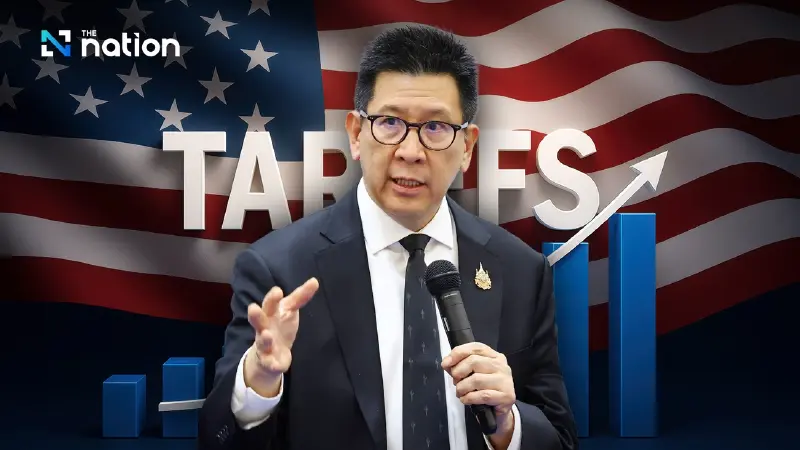


Thailand is preparing its case for a lower US tariff after Washington proposed the same 18% ceiling for Thai, Malaysian and Indonesian goods.
- Thailand's government is working to provide easier credit and financing for businesses in anticipation of potential US tariffs.
- The US has proposed tariffs of up to 18% on Thai goods, with a public hearing on the matter scheduled for January.
- The proposed tariff rate could rise to 25% if the US finds negotiations unsatisfactory, with any new duties expected to take effect in early 2027.
Thailand’s Finance Ministry is working with the Bank of Thailand to help businesses cut operating costs and secure financing, Deputy Prime Minister and Finance Minister Ekniti Nitithanprapas said. The move comes as Bangkok continues talks with Washington over US tariffs of up to 18% on Thai goods, proposed on November 25.
Ekniti said the ministry and the central bank also wanted to help Thai companies adapt their businesses as trade patterns change. He said attracting foreign manufacturers to Thailand could give local firms a chance to become suppliers, create jobs and raise workers’ incomes over the long term.
Thai negotiators prepare their case ahead of January US hearing
Thailand’s Commerce Ministry is gathering evidence to present to US negotiators while the final rate remains open, Ekniti said. The Office of the United States Trade Representative has set January 5 2027 as the deadline for written comments and will begin public hearings on January 25. Ekniti expects any new duties to take effect in early 2027, although Washington has yet to set a start date.
Thai goods covered by the existing US Section 301 measure on forced-labour import restrictions remain subject to a 12.5% duty. Under Washington’s November proposal on excess manufacturing capacity, that duty would count towards the proposed 18% rate on goods covered by both measures. The US notice also allows Washington to consider a rate of up to 25% if it finds the talks and Thailand’s commitments unsatisfactory.
Ekniti said Thai businesses could still compete for US orders because Washington had proposed the same 18% ceiling for Malaysia and Indonesia. Vietnam faces a proposed rate of up to 35%, which Washington could reduce to 20% if the two countries reach a trade agreement that addresses US concerns.
Thailand seeks a place for local suppliers in global production
Ekniti said Thailand should build on foreign investors’ interest in the country as a manufacturing base by helping Thai businesses enter global production networks. He called for investment in training so that workers can develop the skills those manufacturers need and retrain for new roles.
Ekniti described the US tariff changes as part of a wider trade war in which economies are pulling apart and governments increasingly use duties to restrict trade. Thailand’s strategy, he said, is to act as a “Trusted Connector” by trading with all sides. For Thai businesses and workers, he said, the opportunity lies in turning investor interest into factories that buy from local suppliers and provide lasting employment.
