
Gold hits one-year low at US$3,830.74 a troy ounce on Nov 16
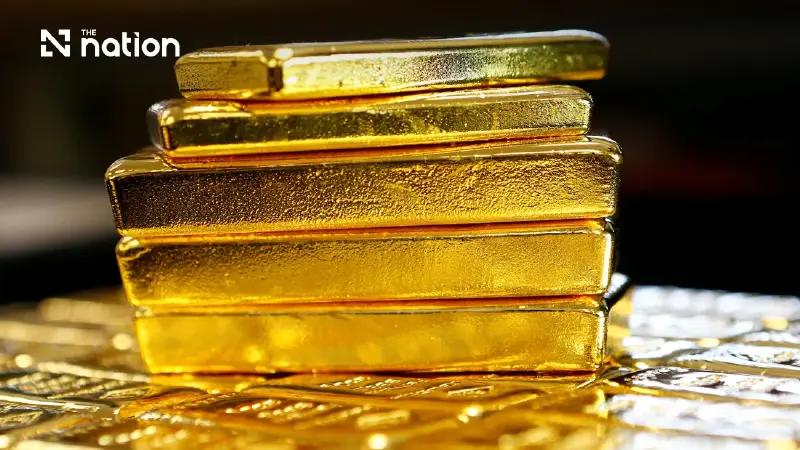


Gold is heading for its worst year since 2015 as higher US bond yields and a stronger dollar outweigh demand from funds and central banks.
- Gold's price fell to a one-year low due to a strong U.S. dollar, rising U.S. government bond yields, and expectations of further interest rate hikes.
- The strong dollar makes gold more expensive for foreign buyers, while higher bond yields make the non-interest-paying metal a less attractive investment.
- Additional selling pressure came from investors liquidating gold to raise cash and cover significant losses in other assets, such as Nvidia stock.
- This new low represents a 31.5% decline from a record high in January and puts the metal on track for its worst annual performance since 2015.
Gold fell to US$3,830.74 a troy ounce on November 16, 2026, its lowest level since October 2, 2025, as higher US government bond yields, a strong dollar and expectations of further interest rate rises weighed on prices.
Gold’s decline from January’s record of US$5,594.82 a troy ounce has reached 31.5%, according to Reuters analysis. The metal is heading for its worst annual performance since 2015.
Higher US yields and a stronger dollar pressure gold
The US dollar has been trading near its strongest level since April 2025, making gold more expensive for buyers using other currencies and weakening demand in recent months. Rising yields on US Treasury bonds have also reduced the appeal of gold, which pays no interest.
Markets expect the Federal Reserve to raise interest rates by 25 basis points, or 0.25 percentage points, at its next meeting in December, with a smaller chance of a 50-basis-point increase, according to CME Group’s FedWatch tool.
“Markets expect higher interest rates ahead, boosting the dollar and compounding gold’s headwinds, leaving it exposed to deeper declines,” said Nikos Tzabouras, senior financial editorial writer at FXCM.
The US-Israeli war against Iran, which began in late February 2026, has raised oil prices and fuelled inflation concerns, strengthening expectations of tighter monetary policy around the world. Gold is often bought as protection against inflation, but rising interest rates typically make the metal less attractive because it offers no yield.

Nvidia losses add to selling pressure on gold
Nvidia’s falling market value has added to the pressure on gold. The company had lost US$1.9 trillion in value from early October to November 13, when its market capitalisation stood at US$3.9 trillion.
“In the short term gold is a liquidity asset … the thing you sell to raise cash,” said Nicky Shiels, head of research and metals strategy at MKS PAMP.
Gold funds attract 211 tonnes as bar and coin demand falls
Physically backed gold exchange-traded funds attracted inflows of 211 tonnes in the third quarter of 2026 despite higher bond yields and a stronger dollar. Demand for gold bars and coins, however, fell sharply over the same period.
Central banks bought an estimated 675 tonnes of gold between January and September, according to the World Gold Council (WGC). The WGC total combines reported purchases with estimates of buying that has not been disclosed.
Poland, the most active official buyer, may have paused purchases in November after its central bank reached its gold reserve target of 700 tonnes. The Polish central bank’s governor nevertheless left open the possibility of further purchases.
China remained a notable source of gold demand, with its central bank buying bullion for two years and supporting confidence among local investors.
Analysts noted that gold had so far remained above US$3,800 a troy ounce, a level they regard as psychologically important.
