
Bayer urges early health checks as Asia Pacific ages rapidly



At a Kuala Lumpur forum, Bayer urged earlier screening and treatment as Asia Pacific ages, with nearly 1.3 billion people expected to be 60 or older by 2050.
- Bayer is urging greater investment in the early diagnosis and treatment of chronic diseases across the Asia Pacific region due to its rapidly ageing population.
- The company advises adults over 40 to undergo regular health checks to monitor key indicators such as blood pressure, cholesterol, and blood sugar levels.
- It calls on policymakers to treat preventative healthcare as an economic investment rather than a cost, highlighting the significant productivity losses caused by chronic conditions.
- The initiative aims to address the widening gap between life expectancy and healthy life expectancy, ensuring longer lives are not accompanied by more years in poor health.
Bayer has called for greater investment in early diagnosis and treatment of chronic diseases across Asia Pacific, as rapid population ageing raises the prospect of longer lives accompanied by more years in poor health.
The pharmaceutical company made the appeal at a media event in Kuala Lumpur on Wednesday (November 11), held alongside the Silver Economy Forum 2026.
It encouraged adults over 40 to know their blood pressure, cholesterol and blood sugar levels, while calling on policymakers to treat prevention as an economic investment rather than simply a healthcare expense.
By 2050, nearly 1.3 billion people in Asia Pacific, equivalent to a quarter of the region's population, are expected to be aged 60 or older. Heart disease, stroke, diabetes and cancer are already placing considerable pressure on patients, families, healthcare services and economies.
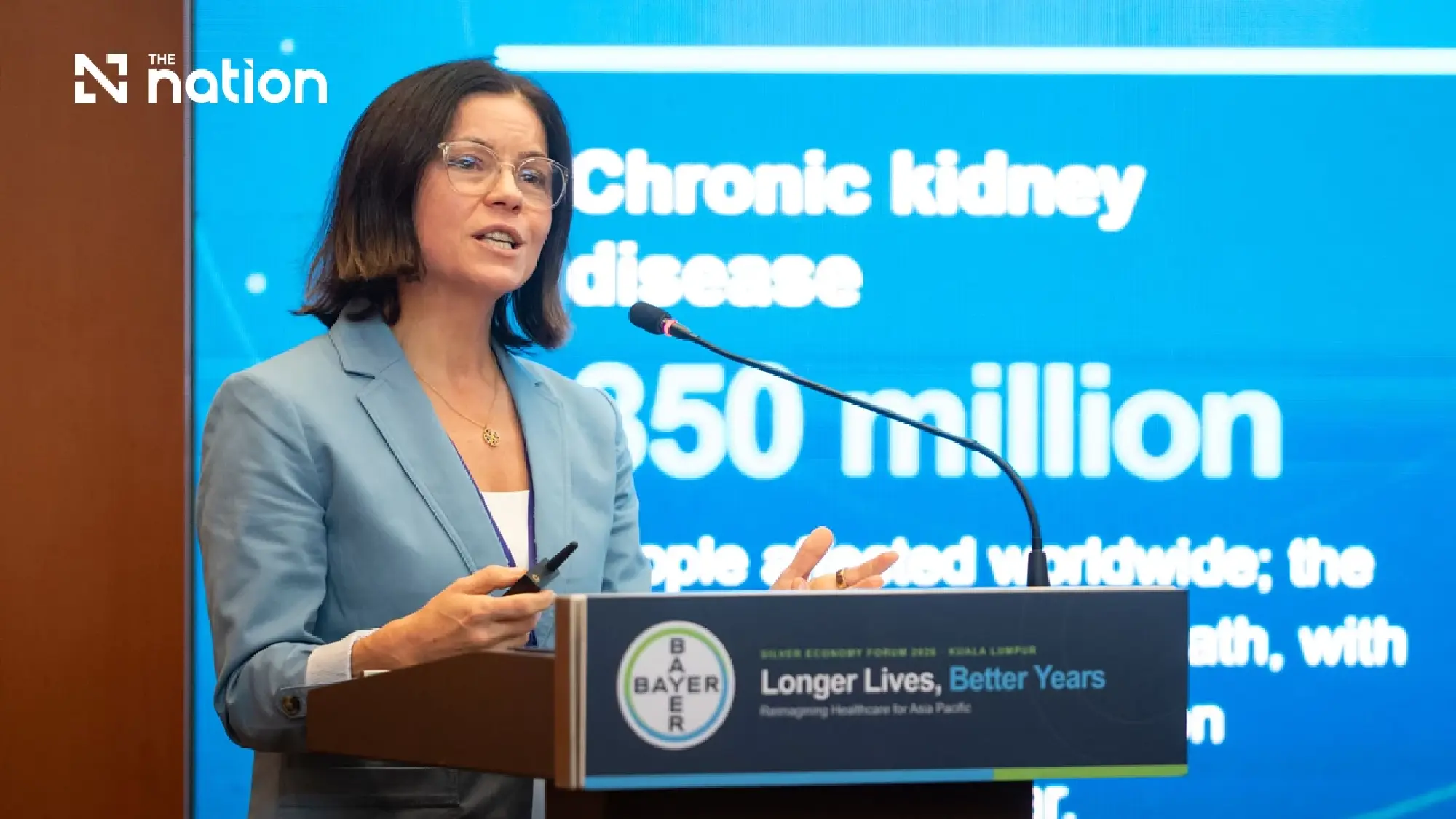
Simon Rosof, regional head for Asia Pacific at Bayer Pharmaceuticals, called for a shift away from treating diseases only after they become serious towards identifying risks and intervening earlier.
“We need to make sure that longer lives are also healthier lives. That means finding disease earlier, treating it effectively and recognising prevention as an investment in people, health systems and economies.”
Rosof also emphasised that scientific advances alone would not improve health outcomes unless medicines reached those who needed them. He called for closer cooperation among governments, healthcare professionals and the pharmaceutical industry to improve access to new treatments across the region.

Longer lives do not always mean healthier years
Research published in The Lancet Public Health in July 2026 found that the average number of years people worldwide spent in poor health rose from 8.8 in 1990 to 10.7 in 2023. The gap between life expectancy and healthy life expectancy widened in 203 of the 204 countries and territories examined.
Singapore recorded the world's highest life expectancy and healthy life expectancy, but the gap between the two measures widened there as well. Across Asia Pacific, those reaching the age of 60 are estimated to spend almost five of their remaining years living with disease or disability.
The World Health Organisation estimates that non-communicable diseases account for nearly nine in ten deaths in its Western Pacific Region.
In Malaysia, the 2023 National Health and Morbidity Survey found that roughly one in three adults had high cholesterol, with more than half of those affected unaware of the condition.

Stroke highlights growing health risks
Stroke remains a major concern across Asia, where 61% of global stroke deaths occurred in 2020, accounting for approximately 4.1 million people.
A joint World Stroke Organisation–Lancet Neurology commission projected that Asia's share could increase to 69%, or approximately 6.6 million deaths annually, by 2050.
High blood pressure is the leading risk factor for stroke across Asia, with diabetes generally ranking second.
In Malaysia, an estimated one person suffers a stroke every 13 minutes, while about 40% of patients are younger than 60. Many are still working and supporting their families.
For survivors, the risk does not end with the first stroke. Between 10% and 16% experience another stroke within a year, according to figures cited by Bayer, with recurrence rates showing little improvement since the late 1990s.
Dr Maria Borentain, Bayer's global vice-president and head of cardiovascular and renal clinical development, emphasised that earlier diagnosis and effective treatment could help patients maintain their independence.
“Every year we diagnose heart disease, kidney disease or diabetes earlier, and every stroke we prevent is a year someone stays at work, at home and out of hospital.”
Borentain referred to an international trial examining a new approach to preventing recurrent stroke, published in the New England Journal of Medicine in April 2026.
The study involved more than 12,000 patients in 37 countries, including more than 3,500 participants in Asia Pacific.
She also encouraged stroke survivors to discuss treatments that could reduce the risk of another stroke with their doctors. More broadly, she urged patients to take greater responsibility for their health, describing this as becoming “the CEO of their health”.

Prevention offers economic benefits
The consequences of chronic disease extend beyond healthcare systems, affecting employment, household finances and national productivity.
Stroke alone costs the global economy more than US$890 billion annually, including direct medical expenses and lost income. Research has projected that these costs could rise to as much as US$2.31 trillion a year by 2050.
In Malaysia, non-communicable diseases imposed an estimated RM64.2 billion in economic costs in 2021, equivalent to 4.2% of gross domestic product.
Approximately four-fifths of that burden came from lost productivity rather than healthcare spending, highlighting the economic impact of chronic disease beyond direct medical costs.
Michael Hodin, chief executive officer of the Global Coalition on Aging, argued that governments should incorporate healthy longevity into both their healthcare and economic strategies.
“Longevity is the great achievement of our time, and Asia Pacific is where that story is moving fastest. Whether those extra years are healthy, active and productive depends on the choices governments, industry and communities make now.”
He argued that countries recognising the economic value of healthy ageing would be better positioned to benefit from longer life expectancy.

Making prevention part of everyday healthcare
The speakers identified four priorities for improving healthy ageing: earlier screening, effective treatment and follow-up care, greater recognition of prevention's economic value, and stronger cooperation among governments, healthcare providers, businesses and community organisations.
Routine checks for blood pressure, cholesterol, blood sugar and kidney function from midlife were among the recommended measures, alongside continued care for people already living with chronic conditions.
They also emphasised the need to consider lost productivity when assessing the costs of chronic disease and the benefits of prevention.
Prof Nathan Vytialingam, president of the Malaysian Healthy Ageing Society, emphasised the importance of involving families in preventive healthcare and encouraging regular health screening.
“I always say stop taking your parents for a birthday lunch, take your parents for a birthday screening ... the concept is we can't do it alone.”
He also called for public health education that takes account of cultural differences between countries, alongside greater personal responsibility for regular screening.

Asked what progress they hoped to see over the next 12 months, Rosof prioritised partnerships that would help medical innovations reach patients sooner, while Borentain called for greater awareness of treatment options to prevent recurrent strokes.
Hodin urged governments to incorporate healthy longevity into economic planning, while Vytialingam encouraged every adult over 40 to know their blood pressure, cholesterol and blood sugar levels.
