
50 reds gather to inform govt of campaign
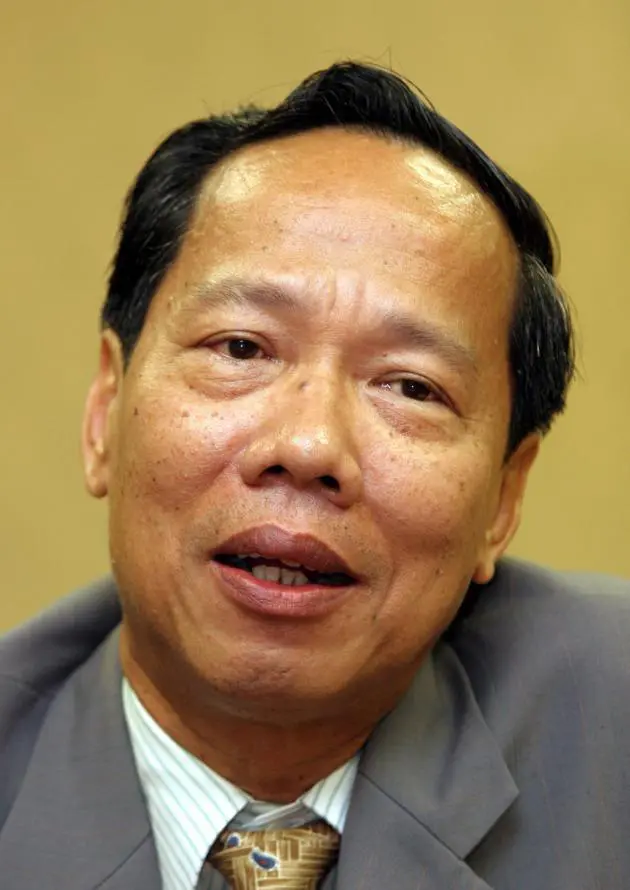


Pheu Thai MP Sanguan Pongmanee yesterday led some 50 red-shirt protesters from the North to notify the Parliament of their intent to launch a signature campaign, seeking support from 50,000 voters to sponsor a motion for charter rewrite.
The red shirts taking part in the campaign included Phetchawat Wattanapongsirikul of the Love Chiang Mai 51 Group and former senator Ruangkrai Leekitwattana.
“Whether the charter amendment is successful or not hinges on the support of the people,” Sanguan said after meeting with Deputy House Speaker Visuth Chainaroon before kick-starting the signature campaign.
He said that once the campaign is completed, he would submit a motion to seek to amend Article 291 of the Constitution, paving way for the formation of the Constitution Drafting Assembly (CDA) to revamp the entire charter.
Under his proposal, the CDA would comprise of 101 members, he said, explaining that 77 would be elected from each province and 28 would be selected from academics, including Buddhist monks.
He said he was spearheading a separate charter amendment from the one being pushed by the Pheu Thai Party and the mainstream red-shirt movement.
The campaign to solicit support from 50,000 voters should be completed by February and the motion on charter amendment could well be introduced on the House floor soon afterwards, he said.
He added that he and his supporters aimed to cancel the legacy of the 2006 coup, and thus, they were not concerned if their move fuelled social divisions.
In a related development, Constitution Court president Wasant Soypisut said the charter would not need to be amended if everybody was ethical and played by the rules.
“I think efforts should be focused on behaviour modification instead of amending provisions,” he said.
Wasant added that he was uncertain about the extent of charter amendment, saying he was pessimistic that the rewrite could improve on the political system because politicians seemed bent on manipulating the rules regardless of how the charter was written.
Commenting on a separate issue of amending Article 112 of the Criminal Code, he said he disagreed with the proposed change.
The Article 112, which pertains to offence against the monarchy, is the legal shield for head of state that is enforced in connection with Articles 130 to 135 on safeguarding foreign heads of state, he said.
Should the offence against the monarchy be repealed, the end result would be ironic because Thailand will end up protecting foreign heads of state but not its own monarch, he said.
He also pointed out that Article 8 of the Constitution prescribes for the King as being inviolable. If anyone is free to air royal insults, then this clause would become a moot point, he said.
