
Draft bill to be revived after 6 years in limbo


If legislation goes through, polluters will face Bt1 million fine, 10-year jail term
The Water Resources Bill is trying to find its way back to the legislative process after it failed to go through the third reading six years ago as most water users were concerned that the legislation would boost the cost of water or impose water-pollution fees.
If the draft law being prepared by the Natural Resources and Environment Ministry goes into effect, water polluters will face up to 10 years in jail and a fine of up to Bt1 million.
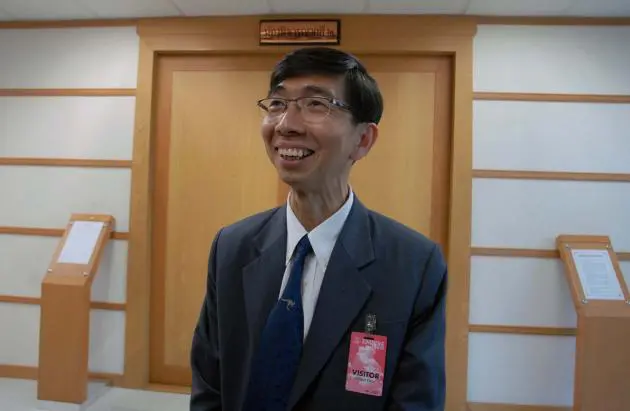
“Small-scale users will not have to pay anything extra for their water usage,” Assoc Prof Narong Jaihan of Thammasat University’s Faculty of Law said yesterday. He chairs the team assigned to review the Natural Resources Bill.
However, he did not explain whether households would need a wastewater treatment system to avoid legal punishment that will be prescribed by the new law.
The ministry has assigned Thammasat academics to study and improve the Water Resources Bill, as well as gather public opinion on the issue.
“We want the bill to address the current water situation, drought, floods and water-related conflicts. We also want to encourage public participation,” the ministry’s permanent secretary Chote Trachu said. He voiced hope that his ministry would be able to submit the revived Water Resources Bill to the Cabinet before the end of this year.
Asked whether the move was consistent with the plan to establish a Water Resources Ministry, Chote said: “If a Water Resources Ministry is to be established, then it may be included in the bill.”
Chote said his ministry would listen to opinions from all sides, including relevant government agencies, people and the Water and Flood Management Commission.
Water Resources Department director-general Nitas Phuwattanakul said Thailand still lacked a master law to govern water-resources management.
“There are many laws related to water management, but they are under the supervision of several different agencies. As a result, the country’s water management lacks an integrated approach,” he explained.
He added public forums would be held in Chiang Rai, Khon Kaen, Rayong and Nakhon Si Thammarat to explain the draft law’s concept to all stakeholders.
Narong said that under the bill, locals could become part of committees governing water resources. “Such panels will have a two-year term,” he added.
He also said that the bill would not affect farmers, who can continue to use water for irrigation as usual.
