
Row over Speaker clouds debate


Play
Opposition says Nikom can't be neutral and proponent of changes
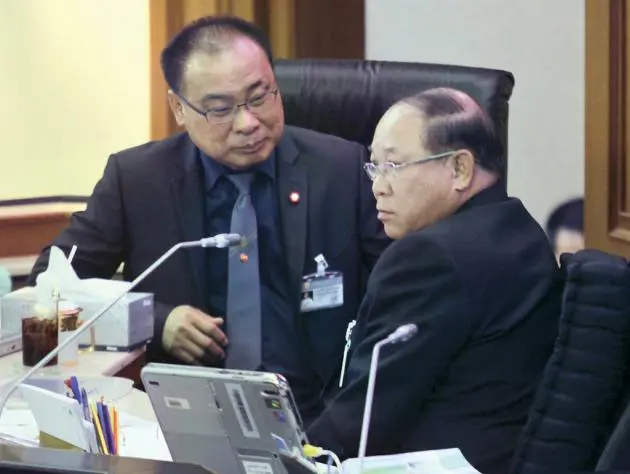
Senate Speaker Nikom Wairatpanij came under fire on the first day of the parliamentary debate charter changes yesterday for insisting on his right to chair the meeting, despite being one of the proponents of amendments.
Opposition MPs and some senators questioned Nikom’s ability to remain neutral as the meeting chair while proponents and opponents of the amendment bills were debating.
The issue, which dominated a large part of the debate, emerged shortly after the joint meeting of the Senate and House of Representa-tives began late yesterday morning. Democrat MPs called on Nikom not to co-chair the meeting with House Speaker Somsak Kiartsuranond, saying he would act against the Constitution in doing so, as it was clearly a conflict of interest.
Nikom is also deputy Parliament president ex-officio, while Somsak is the Parliament president by right of office. They both take turns to chair joint meetings of the two chambers.
Somsak, while chairing yesterday’s meeting, ruled that Nikom, as a parliamentarian, had the right to support charter amendments. But that failed to satisfy Democrat MPs who continued with their protest against Nikom acting as the meeting chair.
Following lengthy protests and exchange of words between Demo-crat lawmakers and coalition MPs, mainly from the ruling Pheu Thai Party, opposition leader Abhisit Vejjajiva suggested Somsak ask Nikom to choose whether he would act as a proponent of amendments or as the meeting chair. Somsak agreed to do so and asked the debate to resume.
The issue re-emerged when Nikom took over from Somsak as the meeting chair. He met strong protests from Democrat MPs and some senators who questioned his neutrality. Abhisit asked Nikom whether he would waive his right as the meeting chair for the sake of neutrality.
Nikom, chairing the meeting, insisted he would retain his neutrality and said opposition MPs could bring the case to the Consti-tution Court if they believed he was biased while chairing the meeting.
“I know which hat I am wearing now – what duty I am doing. I will not disappoint you,” he said.
The Senate speaker said he supported amendments to Articles 190 and 237 because he believed the current provisions were weakening Thai democracy. Articles 190 requires that the government seeks parliamentary approval on treaties with foreign countries or organisations that affect the country’s sovereignty. Article 237 dissolves any party whose executives are found to have abetted electoral fraud.
Pheu Thai MPs, including Sunai Jullapongsathorn, backed Nikom saying he had done nothing wrong and did not show he was siding with amendment proponents. They hit out at Democrat MPs for their repeated protests.
Nikom appeared irritated after opposition MPs warned the meeting would be marred by protests if he continued to act as chair. But he insisted he was not breaking any rules. Somsak had to intervene by taking Nikom’s place. He said he would discuss the matter later those involved.
In addition to Articles 190 and 237, coalition MPs and senators also proposed amendment to Article 68 and some clauses regarding the Senate to require that all senators be elected. The opponents said the proposed amendments, particularly Article 68, would curb the people’s right to protect the charter. The amendment would prevent people from petitioning the Constitution Court in cases where they found attempts to overthrow the country’s democratic regime . The court ruled last year that Article 68 let people to petition with both the attorney-general and the court directly.
