
Red tape fuelling human trafficking in East of Thailand


Play
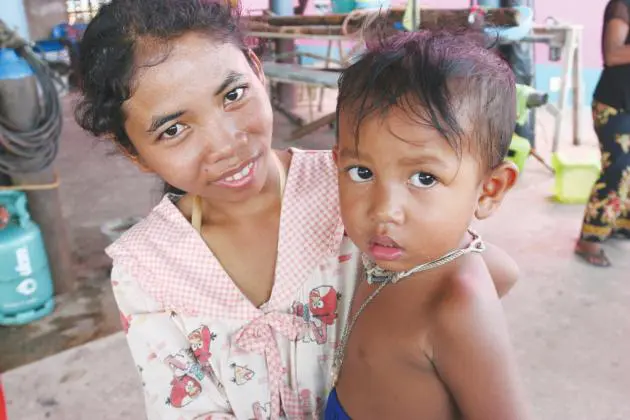
As an illegal worker in Thailand, Niang is familiar with hiding from the police - and being deported when she is found. She has, after all, been ejected from the country several times already.
Yet, after each deportation, she has managed to find her way back.
“I only need to pay Bt2,000 to come back here,” said the Cambodian woman. “An agent is always ready to pick me up and send me to an employer on the Thai side.”
Niang, 30, and her husband Wanna, 32, have made a living as illegal migrant workers in Thailand for more than a decade. They have neither passports nor any other official documents.
When they miss their children back home, they can contact the same agent, who will take them back safely over the border for a fee of Bt1,000 each.
They can return to Thailand as soon as they can afford the Bt2,000 fee.
“Many other Cambodians do the same thing. If we don’t have enough cash, we can get a loan and pay it back later,” Wanna explained.
The Cambodian couple chose Thailand for its higher wages. Workers who earn just Bt100 a day in Cambodia can make up to Bt230 a day in Thailand.
“This way, we can send Bt4,000 to Bt5,000 to our children each month,” Niang said.
Wanna said he and his wife had no plans to register with Thai authorities because the cost involved was too high.
Peng Pouy, a representative of immigrant workers in Chon Buri and a co-ordinator of the Raks Thai Foundation, said agents usually charged at least Bt9,500 to register a Cambodian with Thai authorities. Sometimes the fee goes as high as Bt18,000.
“If the workers contact authorities themselves, they find the process is complicated and takes many days,” he explained.
Yaomen, a 31-year-old Cambodian working in Thailand, said he had decided not to register because of the high fee.
“I have been working here for nine years and have never been arrested,” he said.
When he falls ill, his employer provides healthcare and will take him to a local clinic or hospital if necessary.
Sirijan Suksawas, an official at the Raks Thai Foundation, said most immigrants working at the Pak
Nam Kamae Nu Port in Chanthaburi’s Tha Mai district were unregistered.
“More than 200 Cambodians and over 100 Myanmar nationals work here. Employers do not encourage workers to register because they fear workers would leave for better-paying jobs elsewhere as soon as they had legitimate papers,” she said.
Speaking at a recent seminar, Chanthaburi public-health chief Dr Charat Wasuthada said that the border province’s Pra Pokklao Hospital spent more than Bt10 million a year on treating immigrant workers.
“We are working hard to control the potential spread of disease from alien workers,” he added.
In neighbouring Rayong, public-health official Thivara Kunavuthi said that registered immigrant workers were required to pay Bt1,300 a year to access medical services.
“We need to recalculate the actual cost as many alien workers decide to give birth here in a bid to claim Thai nationality and better welfare for their children,” she said.
According to Labour Ministry figures, more than one million (1,062,852) alien workers are registered in Thailand.
