
Bill 'would cover basic protesters on both sides'


Play
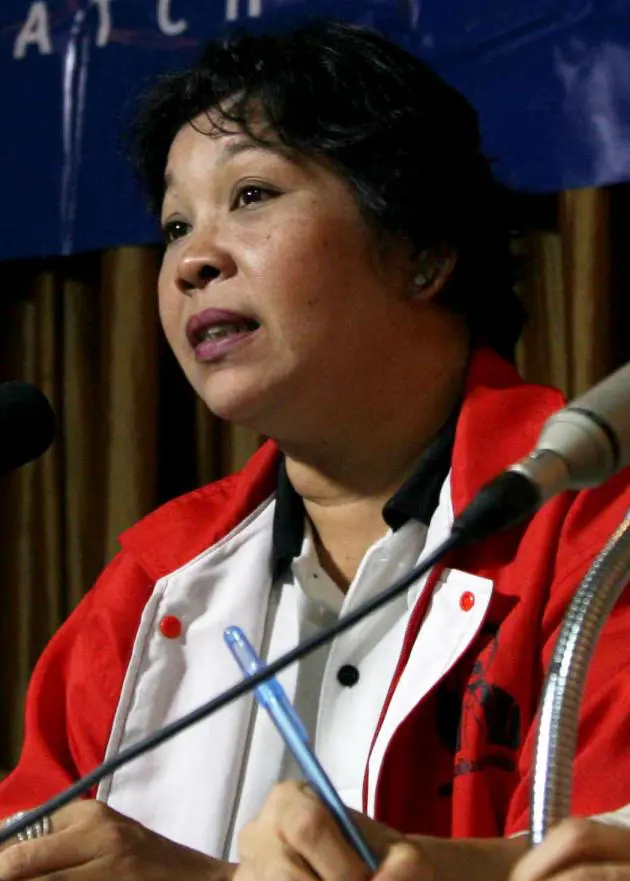
PAYAO AKAHAD, mother of Kamolked Akahad - a paramedic shot and killed at Wat Pathum Wanaram on May 19, 2010 - and Punsak Srithep, father of 17-year-old Samapun ('Cher'), who was killed in crossfire on May 15, 2010, were instrumental in pushing for the s
In excerpts below, the two answer some questions about the bill:
Q : This version of the proposed amnesty bill covers minor offences such as those facing fines or prison terms of no more than two years. If red shirts were penalised for such offences, they would be redundant, since more than two years have elapsed. Why the need?
Payao: Although those facing light punishment may have all served their terms, there’s a thousand or so people still in hiding and wanted under the emergency decree. If the amnesty bill is passed, they can resume a normal life.
Q : Will members of the anti-Thaksin People's Alliance for democracy (PAD) benefit from this bill too?
Payao: Except for their leaders, yes – including those who shut down Suvarnabhumi airport. This bill covers people who protested on all sides. The stress is on ordinary protesters. As far as I am aware, some PAD protesters who were not granted bail are still in prison.
Q : What about those sentenced for arson at various provincial halls? Will they be granted amnesty too?
Historically, past political protests have involved the burning of state buildings that symbolise the power of the government and those responsible received amnesty. Our version covers those involved in arson too.
Q : The bill doesn't cover those who intentionally harmed others, or set fire to private property. Will that give the red shirts a bad name?
Payao: We wrote it this way because there have been rumours about “men-in-black” using weapons or burning down private property. We do not believe they were red shirts so they won’t be effected.
Q What about granting amnesty to officers who did not resort to excessive force? Will that lead to amnesty for Abhisit Vejjajiva and Suthep Thaungsubhan too?
Payao: According to the Centre for the Resolution of the Emergency Situation (CRES), if officers fire a shot it must be aimed below the knee [of the target]. Those firing above that level will not be covered by the amnesty. Abhisit and Suthep will not be covered, because their actions led to the deaths of 20 people at Kok Wua Intersection. They didn’t order soldiers to cease firing and allowed the practice to continue until May 2010. That was clearly an act of aggression.
Q Will the amnesty cover thos who violated the lease majeste law too?
Punsak: Article 3 (3) of the bill covers those who violated laws affecting national security in relation to political events that occurred between September 19, 2010 and May 9, 2010. This means that those who violated the lese majeste law fall into that category too. Initially, it wasn’t the intention of the drafters to grant amnesty to those accused under the lese majeste law. At the time, we were only thinking about bystanders who watched the burning of provincial halls, but were arrested and prosecuted by mistake … The courts will have the final decision in each case.
