
Thais 'need to learn to coexist with those who think differently'


Play
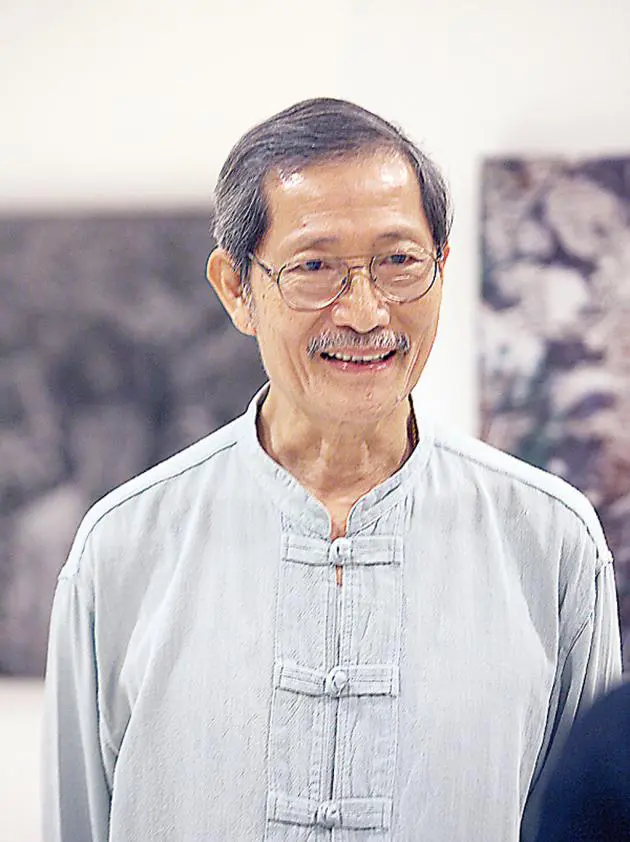
Representative democracy and participatory democracy are not sufficient for Thais, because people should learn how to coexist with others who think very differently through a deliberative democracy process, peace expert Gothom Arya has said.
The focus put on citizen education should not just be about winning an argument or elections, Gothom said, but on learning how to listen to others with deeply held and starkly different views – and being capable to make trade-offs in order to peacefully coexist with each other.
The May 22 military coup follows months of political deadlock that saw neither political side willing to compromise and this reflected the need for Thais to learn more about deliberative democracy.
Gothom held a two-day training on deliberative democracy at Mahidol University, which ended on Thursday. The process and techniques was fine-tuned and promoted by the Ohio-based Kettering Foundation.
Giving consent to politicians via elections was not enough, according to Gothom, who lectures on peace and conflict resolution at Mahidol.
Often, he said, Thais fail to learn to make a political compromise that requires trade-offs.
This, he said, cannot be achieved if people do not learn to be empathetic and suspend their political stance in order to learn to understand things from a different perspective.
The workshop was aimed at normalising conversation between people who think differently about politics and other public issues.
He said that in the United States there was an event such as National Deliberation Day, when active citizens discuss wide-ranging issues of public importance in order to try to come up with common ground.
“Eight decades after introduction of [constitutional monarchy], Thai democracy is still not complete,” he said, adding that politicians were not trusted while (illegal) forces exist outside the constitution.
Learning about deliberative democracy is time consuming and requires citizens to learn how to deliberate and even the two-day workshop involved less than 20
participants.
