
Trat fishermen say crab bank may save industry


Play
FISHERMEN residents of Tambon Mai Rood in Trat province are building up resilience to adjust to the uncertain effects of global warming. The "Blue crabs bank" has come in time to help them.
MaleeWanchai, who earns her living catching crabs for sale, has faced difficulties in getting enough crabs to supply the market demand, making it hard to earn a living.
“ For 30 years of my entire life fishing, I could catch about 30 kilograms of crabs, or earn about Bt6,000 per day. However, recently I’ve been able to get only one or two kg or Bt200-300 per day these past few years. That’s not even enough to pay oil expenses”, the 47-year-old emphasised.
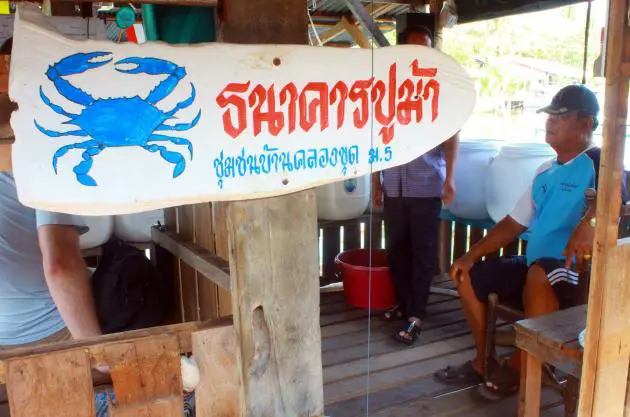
This has compelled her to become a member of the “Blue Crab bank “ project, operated by the Mai Rood Tambon Administrative Organisation (TAO) operated by the Mai Rood Tambon Administrative Organisation (TAO) and Sustainable Development Foundation(SDF) in Klong Yai district, aimed at revamping the crab population after its tremendous decline.
Operated since 2005, the project now has 150 members in six fishing communities in Tambon Mai |Rood.
Climate change, the rise in temperatures, sea levels and other trends are among the factors causing a serious drop in the number of marine animals in her community.
Blue crabs represent the most important breeding in tambon Mai Rood and also face this inevitable danger.
Head of Mai Rood’s TAO Surasak Intaraprasert, explained the project had helped local fishermen, who are the majority of the tambon’s population, adapt from the impact of climate change and decreasing number of crabs.
“This is how we can help them to continue their careers, where marine resources have tremendously declined “ he said .
Fishermen will donate pregnant blue crabs, which are obvious through the eggs sticking to their carapaces, to the bank.
“We will wait until they lay eggs, which usually takes two days for each pregnant blue crab to produce eggs from 250,000 to 2,000,000 eggs per time,” he said.
The baby blue crabs will take seven days to mature. Then, the bank will release these baby crabs into the rivers a few kilometres from the fishing communities.
The crab mother will also be returned to the owner for sale in the market, he said, adding that most of the owners donated the mother crabs for the bank to sell so the money could be used for its operations.
Surasak added that if there were at least 30 mother crabs per month or 360 per year in the bank, it would lift the blue crab population to around 900,000 per year.
Despite the fact that only 10 per cent or around 20,000 crabs of the total production have survived, he still believed they were enough to maintain the balance of crab population in the near future.
He hoped the project could expand in every district in Trat province.
“ If all districts have this project, it would provide food security in our province, as we are the food production hub in the Eastern region” Surasak said
