
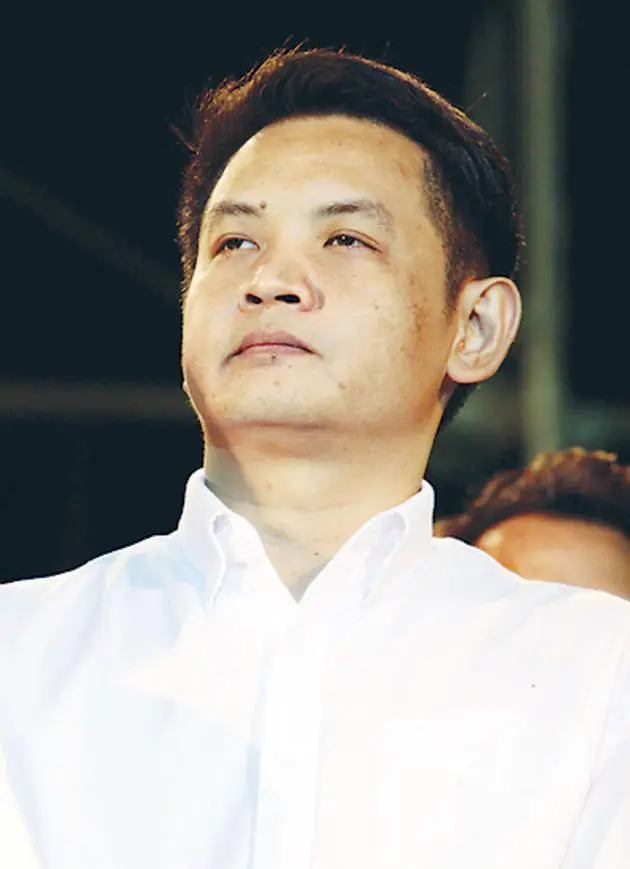
Suriyasai calls for wider public say in reform process


Play
A "fragile country" like Thailand needs the participation of all citizens working for national reform and significant change - and that was a major reason for the formation of the Thailand Reform Institution (TRI), its director Suriyasai Katasila said.
The TRI has been set up by 19 academics and reformers, including some NRC members and six advisers. Among them are Suriyasai, Sangsidh Priyarangsan, PipopThongchai, NRC members Rosana Tositrakul, Poldej Pinparateep, Anek Laothamatas and Chirmsak Pinthong. Prominent activists and academics such as Niran Pitakwatchara, Banjerd Singkaneti, Banjong Nasae, and Sirichai Mai-ngarm also joined the group.
Suriyasai said a key success to reforming the country would be the contribution of all Thai citizens in the government process.
He said the 250 members of the NRC was not enough to achieve the ultimate goals of reform because NRC members could not be familiar with every problem in society. So, accepting reform ideas from various sectors of society would ensure effective reform.
“We have more than 60 million people living in the Kingdom, so it does not make sense to bet our nation on a mere group of NRC [members],” he stressed.
The leader of TRI predicted the institute would play a significant role in urging the community to contribute to reform. He said it would be totally regrettable if national reform was to fade and then disappear from the nation’s agenda – as in the past.
Suriyasai has played an important role in Thai politics. He was the Green Politics Group leader and co-leader of the anti-government People’s Democratic Reform Committee (PDRC) – the group set up to protest against the Yingluck Shinawatra government last year. Earlier, he was a co-leader of the People’s Alliance for Democracy (PAD), in its protest against former PM Thaksin Shinawatra in 2005. Demonstrating against the government of Yingluck Shinawatra last year, he was chosen to be the PDRC co-leader.
Suriyasai claimed the TRI could introduce three crucial plans for achieving goals of national reform.
The most urgent was to set up a “mirror council” to oversee the performance of the NRC while in government. The monitoring body plans to gather well-researched information or proposals from people around the country, then present them to the NRC.
The TRI also wants to track the constitution, organic law and fundamental law, while trying to encourage the public to participate in national politics.
Suriyasai had feared that the government and the National Council for Peace and Order (NCPO) could be a huge obstacle to reforming the country. He warned that government officials should not limit people’s freedom to express adverse opinions.
“The premier must accept different views in order to reach ultimate goals of reform,” he said. Also, the PM and the government really needed to separate those who want to constructively participate in reform from those in anti-government circles.
