
New Year ‘gift’ for minor traffic offenders


Play
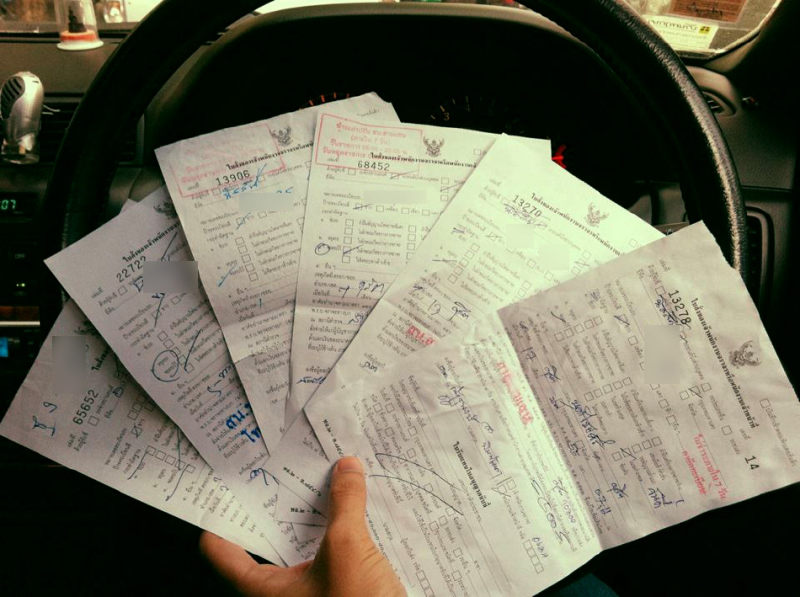
IN THIS New Year holiday, traffic lawbreakers in Bangkok will have a chance to wipe the slate clean of petty traffic violations until January 15.
The New Year “gift” was announced by acting Metropolitan Police Bureau chief Pol Lt-General Sanit Mahathaworn yesterday.
He said he had instructed 88 precincts under the Metropolitan Police Area 1-9, as well as the Traffic Police Command, to allow motorists to pay a flat rate of Bt100 for eligible traffic tickets.
Such a project – following a previous innovation by the Metropolitan Police Area 3’s Lam Pha Chi Police Station – would be applicable only to traffic offences punishable by a fine of less than Bt1,000.
These include offences such as not wearing a helmet, driving a damaged vehicle, failing to present a driver’s licence and failing to wear a seatbelt.
It wouldn’t apply to offences deemed to cause trouble for others – such as parking in a prohibited area, driving on a footpath or drink driving, he said.
To counter legal worries that the project will make people disregard traffic laws, Sanit said police had carefully considered the offences applicable for the project. Officers will require offenders to sign an agreement promising not to commit the same offences again. He also insisted that police did not only seek to make money from arrests.
Earlier this week, deputy police chief Pol General Pongsapat Pongcharoen invited Thais to join the “Fak ban wai kub tam ruad” (Leaving Houses to Police Care) project before travelling during the New Year holidays. The project – for which people could apply at any precinct near their home free-of-charge – will run for 15 days from December 23 until January 6, Pongsapat said. The project includes a mobile phone application called “Police I lert u” to provide homeowners updates regarding the safety of their houses and employed an “electronic patrolling police” system, he said.
The system includes three elements: first, a patrol checks on the participants’ homes and registers their visit by scanning a QR code at the residence; then the data is sent to the homeowner via the mobile phone application; and lastly the Line chat application is used to send pictures of the home’s condition to the owner. Patrols were initially scheduled for every two or three hours.
The project – started in 2001 and implemented during New Year and Songkran holidays – saw 4,110 householders join last New Year.

