
Abac may agree to a new council this week


Play
BOTH sides of a long management conflict at Assumption University have appeared to accept a proposed solution of having all university council members resign so the holder of the university’s licence, St Gabriel’s Foundation, can establish a new council.
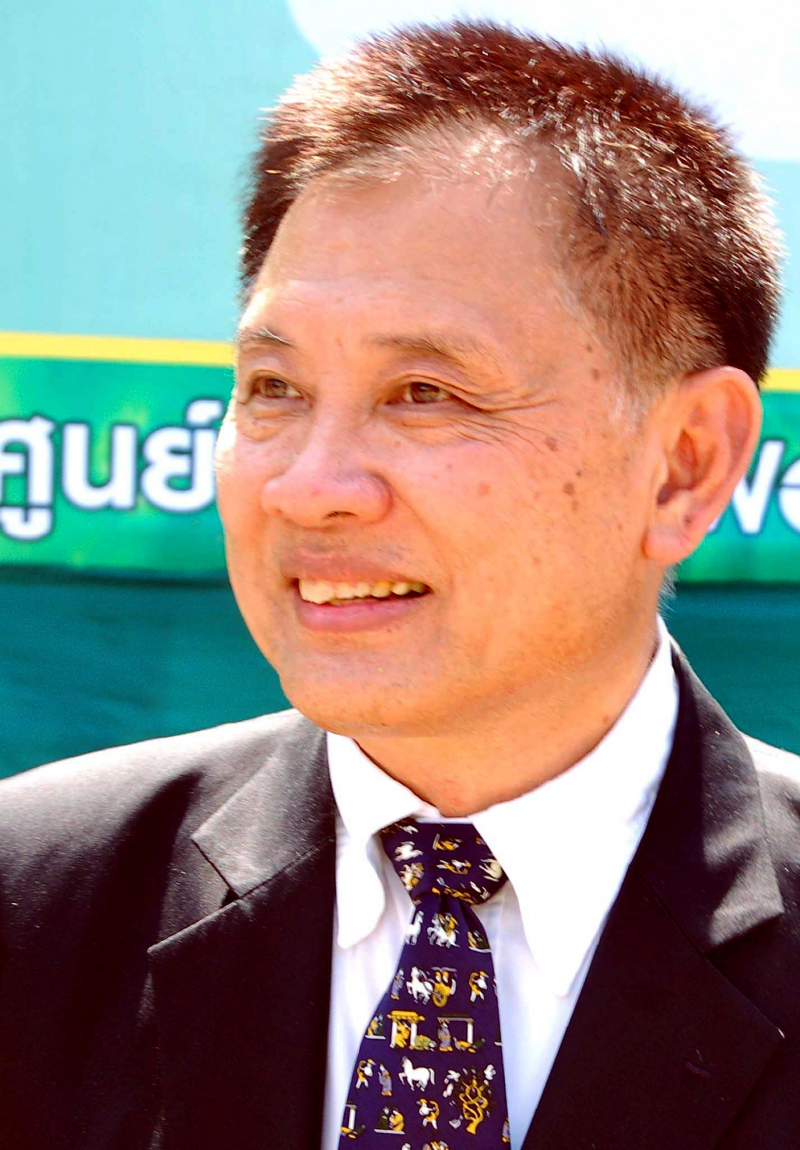
Self-proclaimed acting rector Sudhiporn Patumtaewapibal said yesterday he would accept in principle the idea and was ready to nominate council members to manage the institute – better known as Abac – and rule on who should be rector.
Werasak Anusonti-vong, an Abac council member who backs embattled rector Brother Bancha Saenghiran, said both parties would propose solutions at a meeting on Thursday at the foundation office, so he would see what the proposals are and if they were acceptable. He said if they could not reach an agreement, they might need to let the Education minister invoke his power to control the university. “All sides should respect the law and find a solution together by keeping in mind the university, personnel and students’ benefits,” he said, adding that his side backed the old proposal of having all the board members resign, so the foundation could manage things.
Sudhiporn said his group had met over the weekend to think of possible solutions to table at the January 14 meeting. His group initially “agreed in principle” to the idea of having all council members resign and put the matter back in the foundation’s hands. He said the new council would be made up of five people nominated by his side and five nominated from Bancha’s side.
“I’m the Abac acting rector by law, but to reduce conflict and problems, I would accept the new council’s resolution on who will be rector no matter who that is – be it me, Brother Bancha or another person,” he said.
He said he hoped the new council would run the university transparently and justly for all sides.
After a meeting of the two sides last Friday failed to find a solution, Education Minister General Dapong Ratanasuwan said those involved in the management conflict at Abac they had a week to settle the dispute or face a drastic legal measure.
If they could not find a solution on their own, Dapong said he would invoke Article 86(4) of the Private Higher Educational Institution Act. This law allows the minister to set up a committee of no more than 15 members to control a university when its council members, rector, lecturers or students severely threaten the country’s security, |culture, orderliness or public morality.
