
Sexual healing began in Belgium


Play
Arriving shattered by cocaine and failure, Marvin Gaye got busy fixing his broken soul in Ostend
Strung out on cocaine and chased out of America by a failed marriage and fear of the taxman, Marvin Gaye needed a place to lie low for a while. The world’s greatest soul singer found what he was looking for in an unlikely place – Ostend.
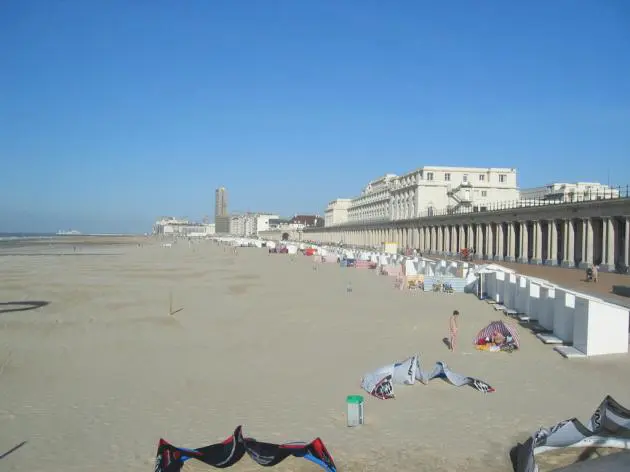
After arriving at the station of this quiet resort town in northern Belgium, I stroll through a dark alley of seafood stalls down to the windswept beach, where a few hardy bathers are braving the cold Atlantic waters. At first sight, the town is more grim than romantic – but Gaye still managed to find “sexual healing” here.
The singer spent about 18 months in the town from February 1981. Invited by the late Freddy Cousaert, a music producer who had recognised his talent, Gaye lived in a 60-square-metre apartment overlooking the beach.
Looking back on her childhood days, Cousaert’s daughter Pascale, 46, recalls: “[Gaye] would come over at 3pm and say ‘I’m hungry.’ He loved chicken, French fries and sole. He enjoyed the food here very much.
“Marvin was very charismatic. He spoke with a quiet voice and talked very softly.”
However, she never imagined that her lunch guest was a legendary star who was staying in the apartment to overcome drug addiction and loneliness after his divorce from his wife, Anna.
Blessed with a sweet yet powerful voice, Gaye was lauded all over the world for his duets with Diana Ross and a string of solo hits, including “Mercy Mercy Me”, beginning in the late 1960s.
By the late ’70s, however, his cocaine habit had spiralled out of control and he could no longer perform on stage. He became addicted to the drug following the divorce, and deteriorating relations with his record company. Friends and associates began abandoning the falling star. Gaye later described himself as “an orphan” in those days.
He found a loyal friend, though, in Cousaert, who recommended Ostend as the perfect cure for his woes.
Gaye, a talented sportsman who almost gave up music for a career in American Football, jogged on the beach in the morning and played basketball with a local professional team during the day. He played darts with his neighbours in a bar at night. He also held public jam sessions there. He enjoyed socialising with the locals, few of whom knew who he was, and rediscovered how wonderful it was to connect with ordinary people outside the drug-fuelled music industry.
Ostend has just 70,000 residents but boasts a long reputation of warmth towards strangers. This characteristic is probably a hangover from its history as a busy port where ships and ferries would disgorge a new army of visitors each day.
After conquering his cocaine addiction, Gaye wrote his masterpiece “Sexual Healing” in the city. “Midnight Love”, the album featuring the song, became a major hit, selling more than 3 million records and winning a Grammy Award in 1983.
“Marvin’s stay in Ostend maybe was not the most important period in his life but at that time it was important for him to be here,” says Pascale. “He was not a superstar here, just a man in the city.
“I think that if he had not come to Ostend, he would not have recorded another album.”
However, the rebirth he achieved in Belgium did not last long. Less than two years after returning to the States, he was shot dead by his own father after a violent argument.
Outside his old apartment, there’s no sign to show he once lived here. However, Gaye’s image adorns the wall of a building in the town centre and there is a bronze statue of him at a concert hall. Ostend is also planning to mark the 30th anniversary of his death with events in the town next year.
“Marvin Gaye is the best soul singer in the world and people here feel the connection,” says Pieter Hens of Tourism Ostend. “They know where he wrote his best single and it is just around the corner!”
On the grapevine
Born the son of a strict churchman in Washington, Gaye entered the US Air Force after graduating from high school. He started his music career after a stint in the military.
In 1961, he signed with Motown Records, which produced his many soul music hits. Gaye released a string of multimillion-selling records, including “What’s Going On” (1971), an anti-Vietnam War song that emphasised the power of love over violence.
Gaye is ranked sixth on Rolling Stone magazine’s List of 100 Greatest Singers of All Time.
