
Light finally shed on Poland's darkest years


Play
Given the vast and horrific vista of World War II, it's understandable that events in Poland tend to be relegated to a few paragraphs in the history books.
Germany’s invasion in 1939, which left the scandalously unprepared British and French with no choice but to declare war, is the invariable focal point, followed by due mention of the capitulation that came less than a month later. The better accounts examine the Warsaw Uprising of 1944 as well.
Each of these debacles, however, and the multitude of ugly confrontations and barbaric atrocities that separated them, are rich enough in nuanced detail and meaning that a comprehensive study like “The Eagle Unbowed” is not only important but essential. What Poland experienced in the war is as rife with lessons for modern civilisation as it is packed with surprises for anyone unfamiliar with this terrible episode in the pageant of inhumane neglect.
There is, of course, the Holocaust, for which Poles were the unknowing or at least disbelieving hosts of some of the most notorious death camps. There is also the horror that Polish prisoners-of-war faced at home and in the Soviet gulags, the underground government and government-in-exile that the Allies so wilfully ignored, and the impressive contributions that Poles made to the war effort once freed from the Nazi yoke.
Military historian Halik Kochanski fills many of these 700 dense pages with tales of heroism but never resorts to waving the flag of her homeland. On the contrary, she gives no quarter to the Polish villains in this story – chiefly the inept politicians and obsequious diplomats. While viewing such people with revulsion, though, it’s often difficult to see an alternative way out of the snare held open on one side by the Germans and on the other by the Soviets.
The dual menace on Poland’s borders is the inescapable cloud over these pages. During the first blitzkrieg of the war the Germans pressed forward – not so rapidly as commonly believed thanks to astonishing resistance from Polish troops that is scarcely acknowledged in the grand war histories. The leadership and citizenry pleaded for the outside assistance promised them by the Allies. It arrived too little and much too late.
In the final year of the war, with the advancing Soviet armies no more heedful of civilian welfare than the Germans they were chasing off, negotiations over Poland’s sovereignty constituted a sham. Stalin had by then already been promised the spoils of Eastern Europe. The country fell from one dictator’s arms into those of another.
“Poland had always considered herself to be at the heart of Europe, the last bulwark of civilisation before the alien east began,” Kochanski writes. “The communist period was the only time Poland was cut off from her heritage.”
So blithely constrictive was Moscow’s grip that monuments commemorating the dreadful sacrifices of World War II only began appearing in Poland after the end of the Cold War. And so concerned about the Russians were the Allies that formal apologies for the Western powers’ appalling conduct regarding Poland waited until well after the Soviet Union was cold in its grave.
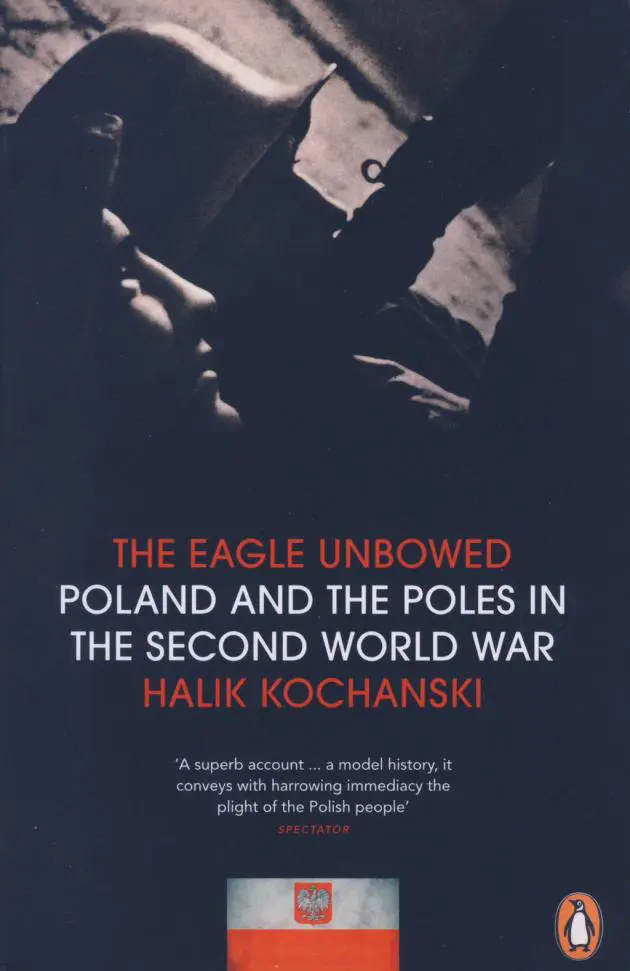
The Eagle Unbowed: Poland and the Poles in the Second World War
By Halik Kochanski
Published by Penguin, 2013
Available at Asia Books, Bt495
Reviewed by Paul Dorsey
