
Chud Thai heads for UNESCO consideration this year
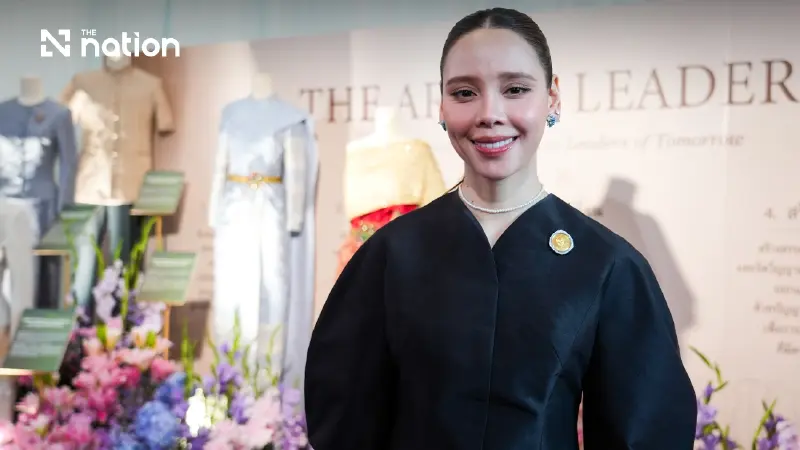


Eleven Thai national-dress styles face UNESCO review later this year as Thailand promotes traditional textiles through contemporary fashion.
Culture Minister Sabeeda Thaised is promoting Thailand’s Chud Thai Phra Rajaniyom campaign ahead of its consideration by UNESCO later this year, combining the pursuit of international recognition with efforts to bring Thai textiles into contemporary, everyday fashion.
Thailand’s nomination is officially titled “Chud Thai: knowledge, craftsmanship and practices of the Thai national costume” and is being considered for UNESCO’s Representative List of the Intangible Cultural Heritage of Humanity. It remains a nomination and has not yet been inscribed.
The review is scheduled to take place during the 21st session of UNESCO’s Intergovernmental Committee for the Safeguarding of the Intangible Cultural Heritage, to be held in Xiamen, China, from November 30 to December 5, 2026.
Sabeeda said the broader objective was to move Thai textiles away from the perception that they were formal, difficult to wear or beyond the reach of ordinary consumers. The ministry wants them to be seen as adaptable materials that can be used in contemporary fashion and worn as part of daily life.
Campaign takes Thai dress overseas

The Chud Thai campaign is being advanced under an initiative of Her Royal Highness Princess Sirivannavari Nariratana Rajakanya to preserve, develop and promote Thailand’s cultural heritage.
Sabeeda has joined Thai designers and fashion houses in supporting international roadshows in the Netherlands, Japan and France, with plans to extend the campaign into other ASEAN countries.
The first overseas roadshow was held in The Hague in April, where Her Royal Highness delivered a keynote address on the evolution of Thai costume and textiles. The programme presented the eight Chud Thai Phra Rajaniyom styles for women alongside three forms of the Phra Rajathan shirt for men.
Thai royal dress was also presented in Paris through the exhibition La Mode en Majesté: Royal Thai Dress from Tradition to Modernity, which brought together royal attire, Thai textiles, craftsmanship and contemporary design.
Eleven recognised forms of national dress

Sabeeda described Chud Thai Phra Rajaniyom as a legacy of the ingenuity of Her Majesty Queen Sirikit The Queen Mother, who adapted traditional forms of Thai dress into ensembles suitable for practical use.
The Queen Sirikit Museum of Textiles traces the eight women’s styles to Her Majesty’s initiative to combine traditional court attire with contemporary tailoring, creating a clearly defined national dress for Thai women.
The 11 forms presented through the campaign comprise eight styles for women:
- Thai Ruean Ton
- Thai Chitralada
- Thai Amarin
- Thai Boromphiman
- Thai Dusit
- Thai Chakri
- Thai Siwalai
- Thai Chakraphat
The three men’s designs are forms of the Phra Rajathan shirt:
- Short-sleeved
- Long-sleeved
- Worn with a waist sash
The eight women’s styles range from the relatively informal Thai Ruean Ton to more formal evening and ceremonial attire, reflecting different occasions and degrees of formality.
Traditional roots meet modern wardrobes

“The fun of Chud Thai today lies in the flexibility of how it can be worn,” Sabeeda said.
She pointed to contemporary combinations that have attracted attention online, including pairing a sabai, or traditional shoulder cloth, with jeans and matching a Ruean Ton-style blouse in contrasting two-tone colours.
Such adaptations demonstrate that understanding the cultural roots of Thai dress does not prevent new interpretations, she said. Instead, traditional knowledge can provide a foundation for products and designs within the creative economy.

Thai textiles are also increasingly being developed into jewellery, bags, accessories and decorative items rather than being used solely for complete traditional outfits.
The Culture Ministry has previously encouraged people to wear traditional, adapted or individually styled Thai clothing, presenting Chud Thai as living heritage rather than attire reserved exclusively for ceremonies or exhibitions.
After the UNESCO consideration process concludes, the ministry plans to organise activities across Thailand’s four regions to improve public understanding of how Chud Thai can be worn correctly and attractively.
The programme is intended to show that Thai national dress belongs not only in museum or shop displays but can remain accessible, adaptable and relevant to everyday life.
