
INJURED IN THE GAME


Play
Thailand's most updated English news website, newspaper english, breaking news : The Nation
Most of us lead the kind of lifestyles that without an outlet can lead to physical and emotional stress. Sport plays an important role in restoring physical and emotional health, releasing pent-up frustrations and allowing us to enjoy a better quality of life.
Sport is not just relaxing but also provides strength to our bodies by stimulating the cardiovascular and circulatory system. This enables the blood to carry oxygen and nutrients to the various cells, thereby stimulating the brain to release chemicals called endorphins, also known as the “happy hormones”, bringing a feeling of well-being and contentment.
Popular leisure sports include golf, tennis, badminton and football. While choosing a sport depends on personal preference, account must also be taken of your body’s physical condition.
Tennis is one sport that can be played by men and women of all ages. It is a relatively safe sport but may cause injuries, as it involves running, requires players to change directions quickly or to abruptly stop. Potential injuries include abrasions, bruises, torn tendons and ligaments and even bone fractures.
You can do a lot to prevent injuries by training your body to be strong and fit, taking lessons to improve your skills and doing stretching and warm up exercises before and after playing.
The organ that’s most prone to injuries is the knee. Injuries range from abrasions, bruises, torn muscles, torn knee ligaments, a disc herniation in the knee joint, torn cartilage, a tear in the synovial membrane, or a dislocation.
Treatment depends on the severity of the injury. If the injury is less severe, then you can apply first aid using the “Rest, Ice, Compression and Elevation”, or RICE, principle. This means resting to prevent further injuries; applying a cold compress to constrict the blood vessels to reduce swelling and pain; compressing a bandage on the injury to reduce the swelling; and elevating the injured site above the heart level to reduce the blood flow.
If the injury does not heal within two to three days, then you must see a doctor.
The physician will take a detailed history of the injury and will conduct a physical check-up. An X-ray may also be taken to check for bone fractures, or an MRI may be ordered to check for injuries to the tissues, muscles, ligaments, tendons, meniscus or cartilage.
If the injury is not severe, oral pain-relieving or anti-inflammatory tablets may be prescribed along with an ointment to apply. If there is a torn ligament or tendons, or a bone fracture, a cast may be required. Surgery may be needed in cases where the tendon is torn, where there is a disc herniation, or torn cartilage. The treatment available today includes minimally invasive surgery, which involves a small camera, small incision and less pain as well as a very short stay in hospital.
In cases of displaced fracture or an intra-articular fracture, surgery using a metal implant to hold the broken bones is required. Thanks to the advanced medical developments, the material and design of the implants is now much more innovative, as is the surgical technique, which is known as the “MIPO technique”, or Minimally Invasive Plate Osteosynthesis. This allows surgery to be performed with small incisions, without exposing the tissue surrounding the fractured bones, thereby enabling the bones to heal faster and the patient to return to normal activities more rapidly.
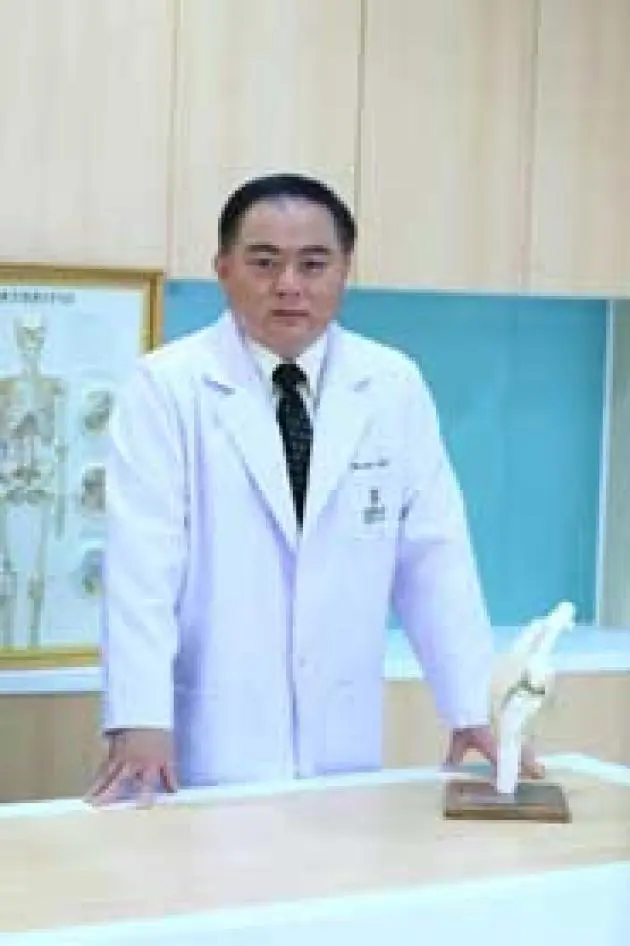
Wichian Jiraboonsri, MD is an orthopaedic surgeon at Samitivej Sukhumvit Hospital
