
Vietnam through the taste buds


Play
A new cookbook allows you to explore the country from north to south
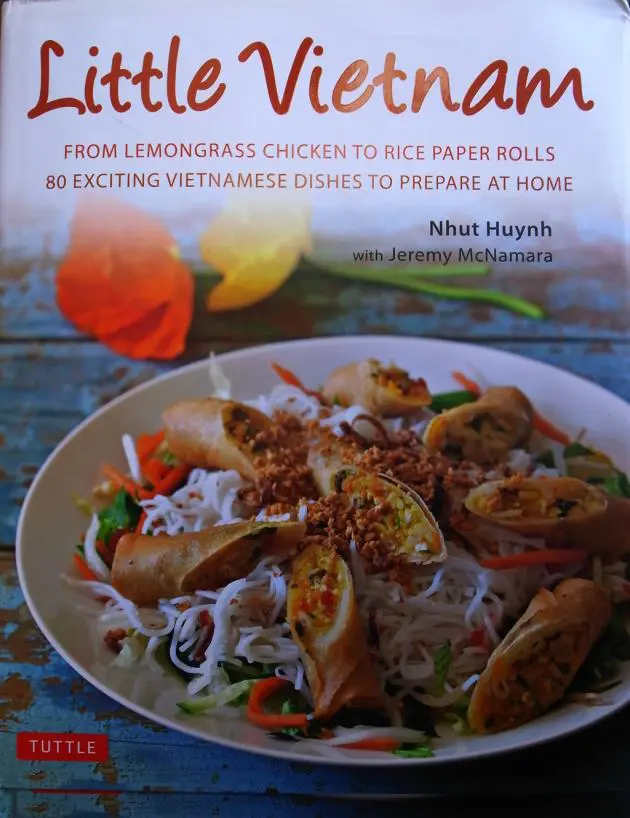
In Vietnam, food and eating is the glue that holds families together, writes Nhut Huynh, author of the new cookbook “Little Vietnam”. Of course, that notion is not restricted to only Vietnam; it permeates Southeast Asia as a whole. And just like its neighbours, Vietnamese cuisine is influenced by the countries that surround it.
In the north, with its temperate climate, the Chinese influence is evident. Hotter dishes are in abundance in the south, along with salads, grilled meats, fruits, with some influence from Cambodia and Thailand. Residents of central Vietnam enjoy mixing recipes from the north and the south to create their own cuisine. But wherever they live, Vietnamese cooks blend European ingredients and cooking methods with traditional Vietnamese flavourings.
It’s important to mention that the Vietnamese food along with its country and people have been through some very tough times. But while Vietnam has changed considerably, its food hardly so. Traditional classics remain unchanged in Vietnam. The author, who arrived in Sydney in the 1980s as a refugee, kept the Australian taste and palate in mind when writing this book. He runs the much acclaimed Snakebean Asian Diner on Sydney’s Oxford Street.
The book explores 80 classic recipes that testify to these wide-ranging regional flavours of Vietnamese cuisine. Chapters are divided according to main ingredients. There’s poultry, pork, beef, seafood, rice and noodles and tofu. Each recipe is ascribed its regional origin.
To many Thais and food lovers in general, Vietnamese food is very healthy thanks to the role of fresh green leaves and herbs. And they find tastiness from the likes of fish soup with lemongrass, green papaya salad, raw fish nibbles and herbs. I kept salivating while writing this article.
For protein and energy, there’s pho, classic beef noodle soup and Vietnam’s most famous national treasure. The author cannot pinpoint exactly where this soup originated, but has this to say: it is a fusion of Chinese noodle soup and that classical French tradition of preparing stocks and consommés.
These recipes are designed for those wishing to enjoy Vietnamese food by cooking it themselves at home. Most recipes are easy to follow, but I think it’s fun to begin with snacks, soups and salads before taking on complex dishes. Then you’ll know that these dishes are not to be eaten on your own – but shared with friends.
Little Vietnam: From Lemongrass Chicken to Rice Paper Rolls
By Nhut Huynh
Published by Tuttle
Available in leading bookshops
Reviewed by Manote Tripathi
