
Lessons from Laos


Play
A recent performance that blended traditional dance with hip-hop moves shows the extent to which our neighbours are relaxed about culture
The Alliance Francaise Bangkok’s auditorium opened its doors wide to welcome lovers of dance last Thursday for the first time since its relocation to Lumpini. The intimate proscenium theatre provides comfortable seats and a decent sight-line and looks ready to host, in addition to weekly film screenings, more stage performances both during the French-Thai cultural festival La Fete, as well as at other times during the year.
The curtain raiser, a double bill of contemporary dance performances from Laos previewed here in Thursday’s edition, might have been short in terms of duration but were both refreshing and inspirational in style and content.
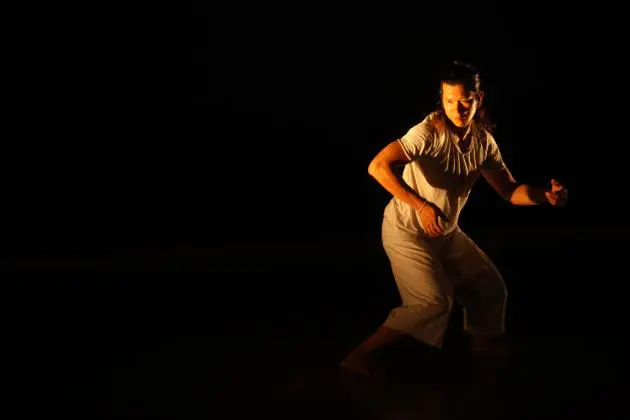
In his signature solo work “Kham...” mLaos-born and France-bred dancer and choreographer Ole Kamchanla intentionally leaves out the object in his title perhaps to demonstrate the numerous boundaries he has crossed, “kham”, of course m meaning to cross.
In Thursday’s performance he successfully managed to connect hip-hop to traditional Laotian and Thai dance and mix them all into one unified choreography. And it didn’t even look like these dance traditions were meeting in front of our eyes, so thoroughly had they already been blended in the dancer’s body and soul. His effortless movements looked more relaxed, smooth and occasionally serene, just like the Lao characteristics we know, than the pulsating hip hop with which we’re more familiar.
Noutnapha Soydala and Ounla Pha Oudom founded Fang Lao Dance Company just three months ago and their five-dancer piece “Break Korn”, literally “let’s take a break”, oozed charm and sincerity. While the energy of each dancer was high, some were still unable to match their leaders either in traditional dance or hip-hop. This is probably a lesson for the founders that before they starts experimenting with other styles, they should be deeply rooted in one of them first.
These two works were more than just evidence of how French hip-hop is influencing Laotian contemporary dance. They also showed how contemporary dance, to which experimentation is key, can bring together people – artists and audiences alike – from different backgrounds and with different interests. ]
And with the flags of the 10 Asean countries adorning many billboards, it is important for us to see what our neighbours are truly interested in and working on in addition to enjoying their regular performance of traditional dance.
Thursday’s show was also a reminder that while the nation across the Mekong doesn’t enjoy as many hip-hop battles and performances as audiences in Thailand, it are less rigid in its traditions — just like the Lao greeting “sabaidee” as opposed to our “sawasdee” perhaps.
Many of our hip-hop dancers still believe that it’s nothing more than a form of street dance. On a larger perspective, our young performing artists tend to have their creativity curbed thanks to training that sticks strictly to certain styles.
Perhaps that’s yet another reform that Thailand should consider.
Next up
Next performance at this venue is “6 Hands 1 Piano” by two French and one Belgian artists on January 9.
Visit www.AFThailande.org (in French, English and Thai) or Facebook.com/Alliance Francaise Bangkok.
