
Google gives a gander at Chinese art
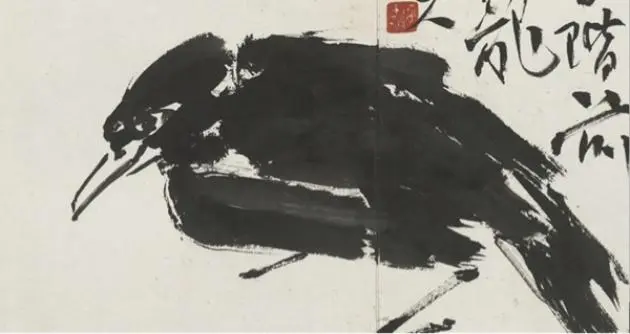


Museums share hi-res images online of relics and artworks both classical and modern
WITH A COMPUTER and access to the Internet, anyone can appreciate high-resolution images of Chinese artworks and rare relics without visiting galleries and museums. It’s a virtual-reality experience of Chinese museums provided by Google and its six new Chinese art partners.
The Google Culture Institute unveiled the six partners on September 4 in Beijing, posting online 48 collections of art with more than 1,400 pieces, one of the biggest online exhibits in Asia since the institute’s launch in 2011.
They include relics dating back 3,000 years, paintings by venerated masters and contemporary work by the likes of Xu Bing and Fang Lijun.
The six Chinese institutions joining Google are the Sanxindui Museum in Shanxi, the Art Museum of China Academy of Art, the Today Art Museum, the archival Chinese Modern Contemporary Art Document, the Pokfulam Village Cultural Landscape Conservation Group in Hong Kong and the Opium War Museum in Dongguan.
Launched in 2011, the institute includes the Google Art Project, featuring online exhibits from museums across the globe, the World Wonders Project and archive exhibitions.
According to institute director Amit Sood, Google has partnered with more than 500 museums in 60 countries. The yearly number of online visitors has reached 19 million, with the number from China ranking fourth. The United States generates the most clicks.
With the large-scale exhibits from China going on view, the number of artworks from Asia now nearly equals that from Europe and the US combined.
Sood says the institute has been eager to include Chinese art since 2011, adding that the current nine partners are just a start and Google welcomes more players in the future.
Google’s art platform is gaining popularity among Chinese galleries since their directors consider digitisation the future trend. “The younger generation has no interest in spending hours visiting museums and galleries. They go only if they’re charmed by artwork they see online or via apps,” says Gao Peng, director of the Today.
Known for Chinese contemporary art, Gao’s museum has offered 17 exhibitions for the Google Art Project. Most are big names in the scene. Xu Bing’s installation “Phoenix”, for example, can be seen up close in high-resolution images.
Gao says Google provides the technology and the online platform free, and the museum handles the data collection and imagery. All the artworks are uploaded with the authorisation of their owners as well as the artists.
As the only museum at an art college, the facility at the China Academy of Art has put online three exhibitions. One features the works of Pan Tianshou, Lin Fengmian and Li Keran, outstanding masters of traditional painting and modern art.
Xia Shangzhou, media specialist at the museum, says the academy will put its graduates’ works online as well, giving them a global audience at a low cost.
For relics and other treasures that aren’t allowed to leave China, digitisation offers vital exposure to a global audience. For example, a bronze standing statue and mask from the Sanxindui are on international show online for the first time, with a 3D view. Users can tour the museum as if they were physically there.
Although people across the world have access to this large-scale feast of Chinese art, access in China fluctuates due to government restrictions. But Sood says the firm is committed to showing Chinese art to the world, and “we encourage more partners to engage with a world audience”.
On the Web:
www.Google.com/culturalinstitute
