
'Ida' upholds noble tradition


Play
The Polish gift for cinema is evident in the Oscar nominee now screening in Bangkok
The celebrated cinema of Poland and Hollywood’s awards season buzz converged on the big screen in Bangkok on Sunday as the Polish Film Festival opened with the Oscar-nominated drama “Ida”.
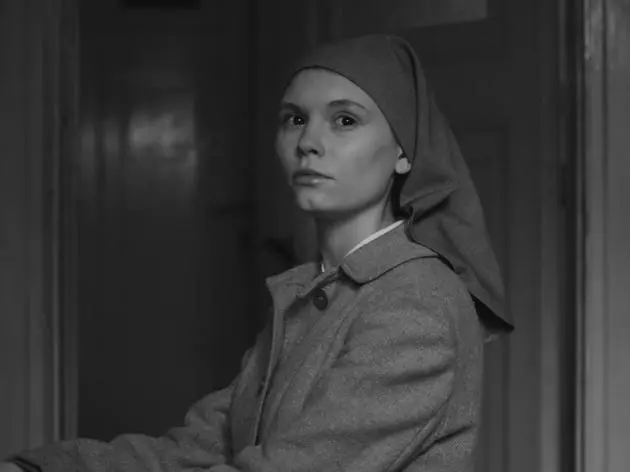
Gloriously shot in black and white and set in the 1960s, “Ida” recalls the era’s classic Polish Film School movement, which spawned such great directors as Krzysztof Kieslowski, Andrzej Wajda and Roman Polanski. And while the movie is replete with period details, jazz music and social issues of the past, it’s also contemporary, with its story of two women who bond on a journey of transformation.
Directed by Pawel Pawlikowski, “Ida” follows a young woman named Anna as she’s about to take her vows as a nun. But before she dons her habit, the noviciate – an orphan raised in a Catholic convent – is instructed by her mother superior to seek out her last living relative. Anna finds her aunt, a blowsy, chain-smoking, middle-aged alcoholic living in a city apartment. Between drags on cigarettes, Aunt Wanda bluntly informs Anna that her name is really Ida Lebenstein, she’s actually Jewish, and her parents were murdered during World War II.
Together, this odd couple set out on a road trip, back to Ida’s birthplace and to find out where her parents are buried. For Ida, cloistered all her life in the convent, it’s an eye-opening journey into the real world, while for Wanda, jaded from her decades of hard partying, it’s a chance to cut loose and remind herself of the powerful person she once was.
Ida is portrayed by newcomer Agata Trzebuchowska, an ing
