
Thai expert calls for proactive diplomacy after UN report dispute
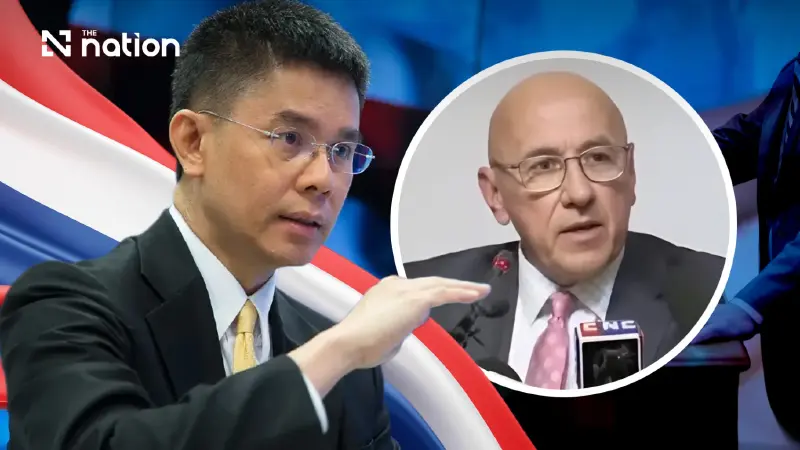


Dr Panitan Wattanayagorn urges Thailand to strengthen international coordination after concerns over a UN Cambodia human rights report.
A Thai foreign affairs expert has called for a more proactive international strategy after Thailand raised concerns over the handling of a United Nations human rights report on Cambodia.
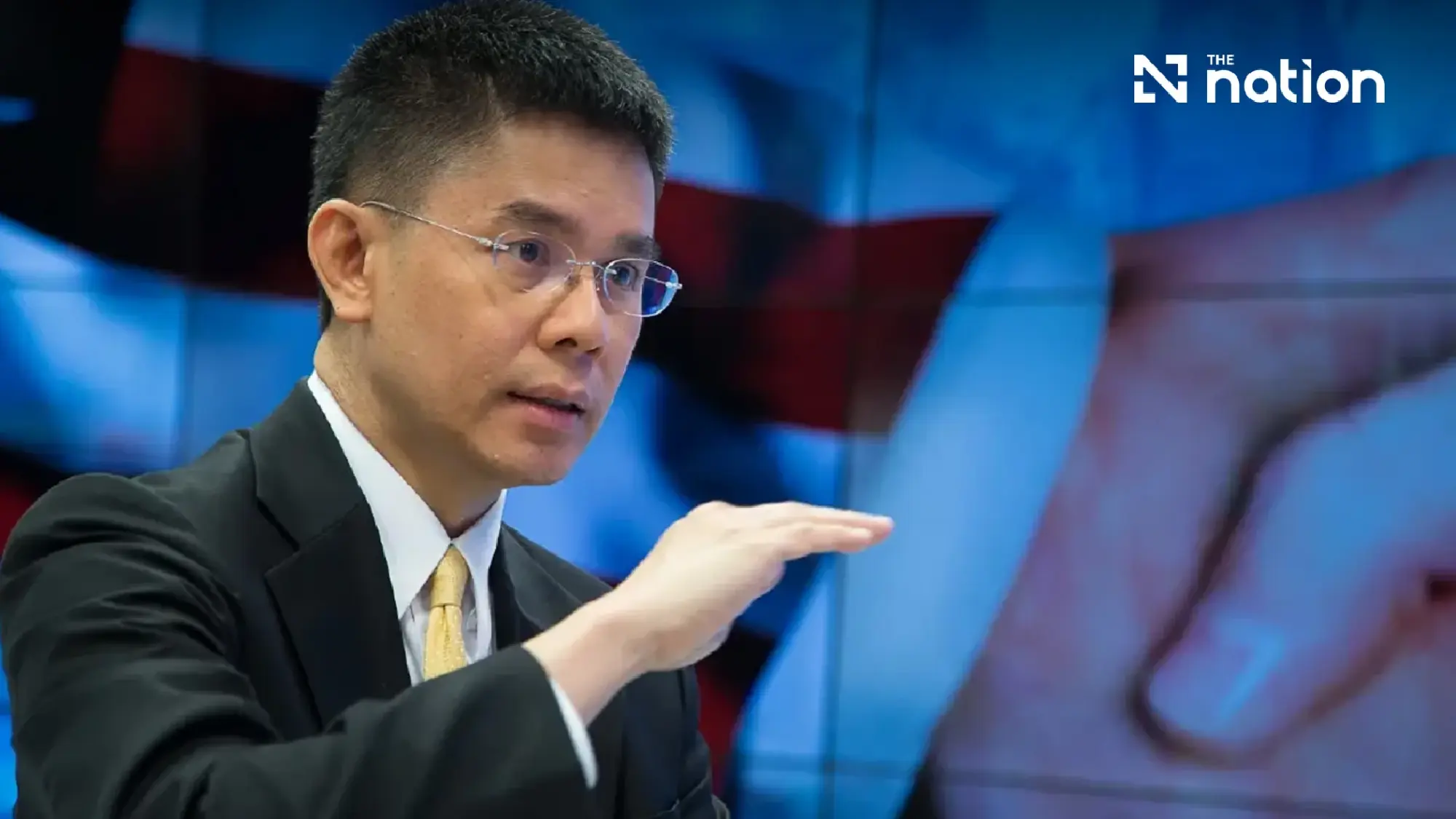
Dr Panitan Wattanayagorn, a security and foreign affairs specialist, said Thailand needed to strengthen coordination in responding to international issues, arguing that traditional diplomatic channels alone may no longer be sufficient in an increasingly complex global environment.
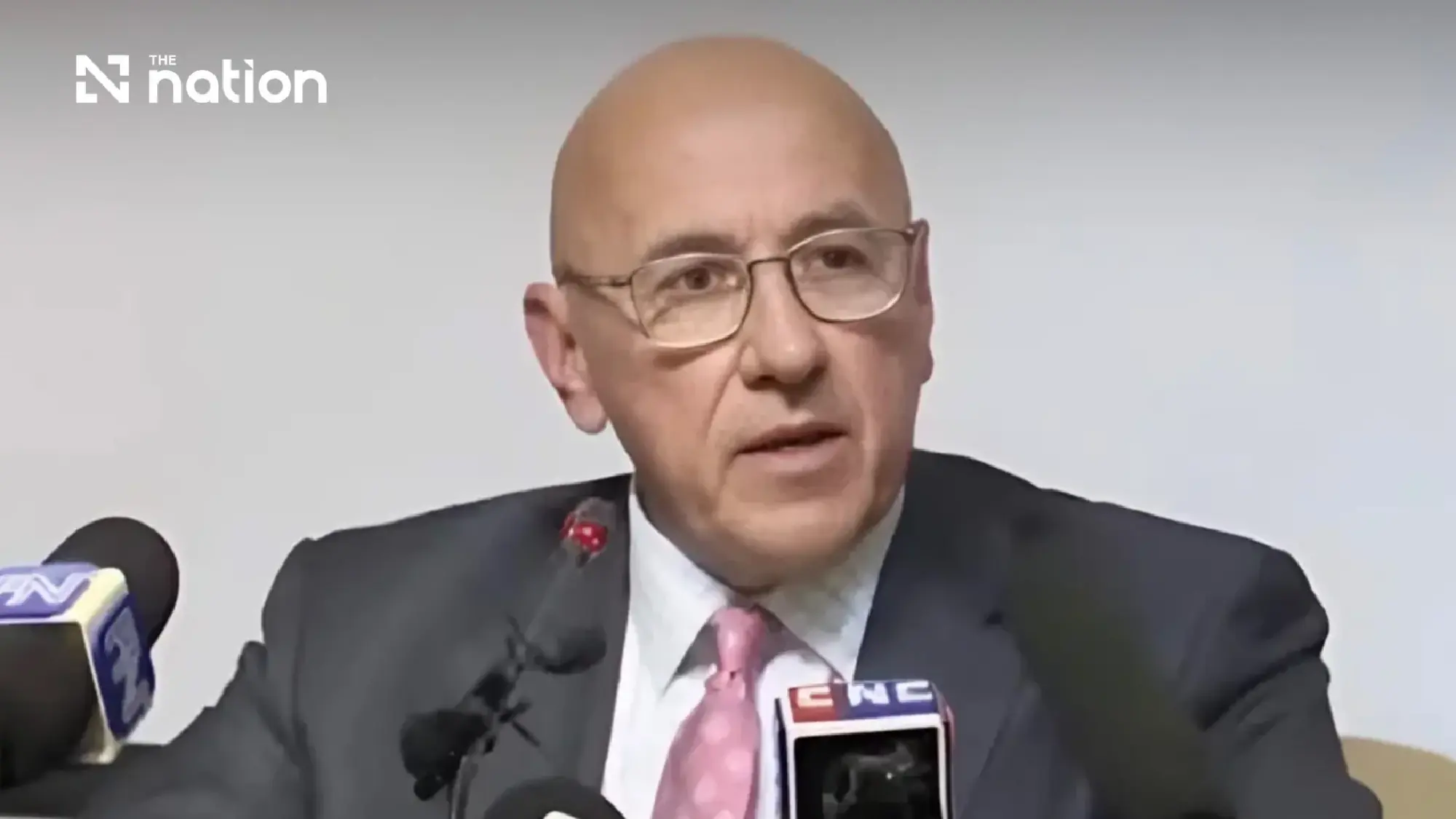
His remarks came after Deputy Prime Minister and Foreign Minister Sihasak Phuangketkeow criticised comments by Tom Andrews, the UN special rapporteur on human rights in Cambodia, regarding his recent report on the situation following Thailand-Cambodia border tensions.
Thailand has previously raised concerns over the report’s balance and disputed figures cited regarding people affected by the border situation.

Expert raises concerns over UN reporting process
Panitan said several parties had questioned the situation because Andrews was appointed by the United Nations to prepare special reports and was required to gather information from all sides while strictly following UN procedures.
Andrews previously served as the UN special rapporteur on the situation of human rights in Myanmar from 2020 to 2026 before taking up the role on Cambodia in 2026.
Panitan said Andrews’ decision to hold a press conference and refer to information from the report while making remarks involving relevant parties could be inconsistent with UN procedures.
He said Thailand should raise the matter through appropriate channels, including the UN Human Rights Council (UNHRC), so that the process could be examined.
Sihasak’s previous experience as the first Thai and first Asian president of the UNHRC during the government of former prime minister Abhisit Vejjajiva meant he understood the council’s mechanisms and procedures, Panitan said.
He added that this background could help Thailand determine how to respond if it believed established procedures had not been followed.

Disputed displacement figure remains a key issue
Panitan said Andrews’ report was not yet final and would likely face further discussion and debate.
He questioned the use of a figure of 650,000 displaced people affected by the Thailand-Cambodia border situation, saying Thailand had already disputed the number.
According to Panitan, Thailand’s assessment placed the actual number of affected people at around 20,000, mainly in Ban Nong Chan and Ban Nong Ya Kaeo.
He said the 650,000 figure was a figure used by Cambodian authorities, including references made by Cambodian Prime Minister Hun Manet regarding people affected by what Cambodia described as territorial encroachment by Thailand.
Panitan said security agencies believed the figure was inaccurate and that the number had later been included in information received by Andrews.
He said this contributed to Thailand facing criticism in international forums.
Thailand urged to strengthen global engagement strategy
Panitan said the dispute highlighted the need for Thailand to develop a more coordinated approach to international affairs.
He said Thailand had traditionally followed diplomatic procedures and international rules, but the changing global environment required governments to consider more proactive political-level strategies.
Countries increasingly combine diplomacy with political engagement and public communication efforts, he said, adding that Thailand should consider similar approaches when dealing with international disputes.
Panitan said Thailand should establish a central coordination mechanism involving relevant agencies to ensure that international responses were aligned rather than handled separately.
Lobbying efforts need clearer coordination
Discussing the role of lobbyists, Panitan said Thailand should review how government agencies use external advisers, including who is hired and whether their efforts are coordinated.
He said several ministries had already engaged lobbyists, often at significant costs, but results had not always been satisfactory.
Thailand could combine professional lobbying, volunteer networks and government coordination instead of allowing different agencies to operate separately, he said.
“Thailand already has lobbyists, as many ministries have hired them. The aim is normally to build the country’s reputation because it affects tourism, investment and trade,” Panitan said.
He added that private-sector lobbyists had helped in some cases, while some individuals had offered support voluntarily without charging fees.
Panitan said a coordinated international strategy would help Thailand better communicate its position on issues affecting the country’s reputation, economic interests and diplomatic relations.
