
Bangkok flood risk persists ahead of more rain on Oct 10–13


Bangkok residents are urged to keep belongings raised as high canal levels limit drainage capacity ahead of more rain on October 10–13.
- Bangkok remains at high risk for flooding from rain expected on October 10–13 because canals and water retention areas are already full, limiting the city's drainage capacity.
- Eastern Bangkok is particularly vulnerable due to accumulated water and slow drainage, with areas like Lat Krabang, Bang Kapi, and Lat Phrao needing close monitoring.
- In preparation, the city administration is accelerating efforts to drain existing water, repairing pumps, and moving equipment to the most at-risk locations.
- Authorities plan to issue more precise, location-based flood alerts to warn residents in specific areas more effectively as conditions change.
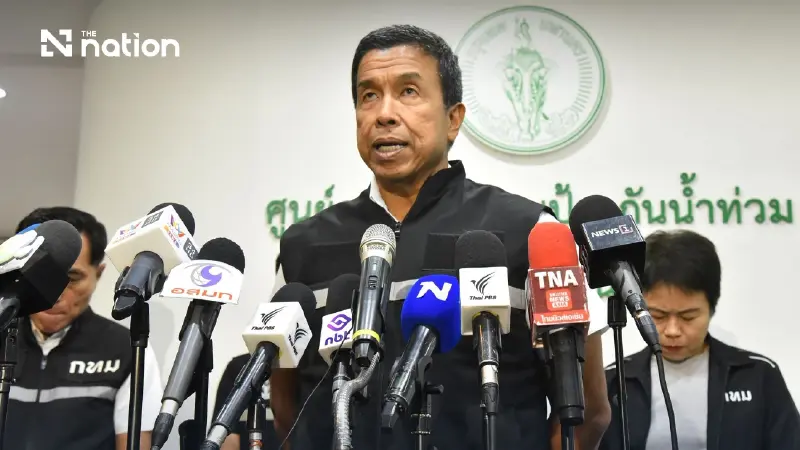
Bangkok Governor Chadchart Sittipunt warned on October 7, 2026, that the capital remained vulnerable to further flooding despite improving conditions. High water levels in canals and retention areas were limiting the city’s capacity to cope with more rain expected from October 10–13.
Chadchart urged residents in flood-prone areas to keep belongings on higher ground until conditions eased, warning that rainfall Bangkok could normally accommodate might now cause flooding more quickly.
Speaking outside the Bangkok Metropolitan Council meeting room at the Irawat Pattana Building, Bangkok City Hall in Din Daeng, Chadchart outlined preparations for northern runoff and further rain in vulnerable areas.

Eastern Bangkok remains at risk as inflows slow drainage
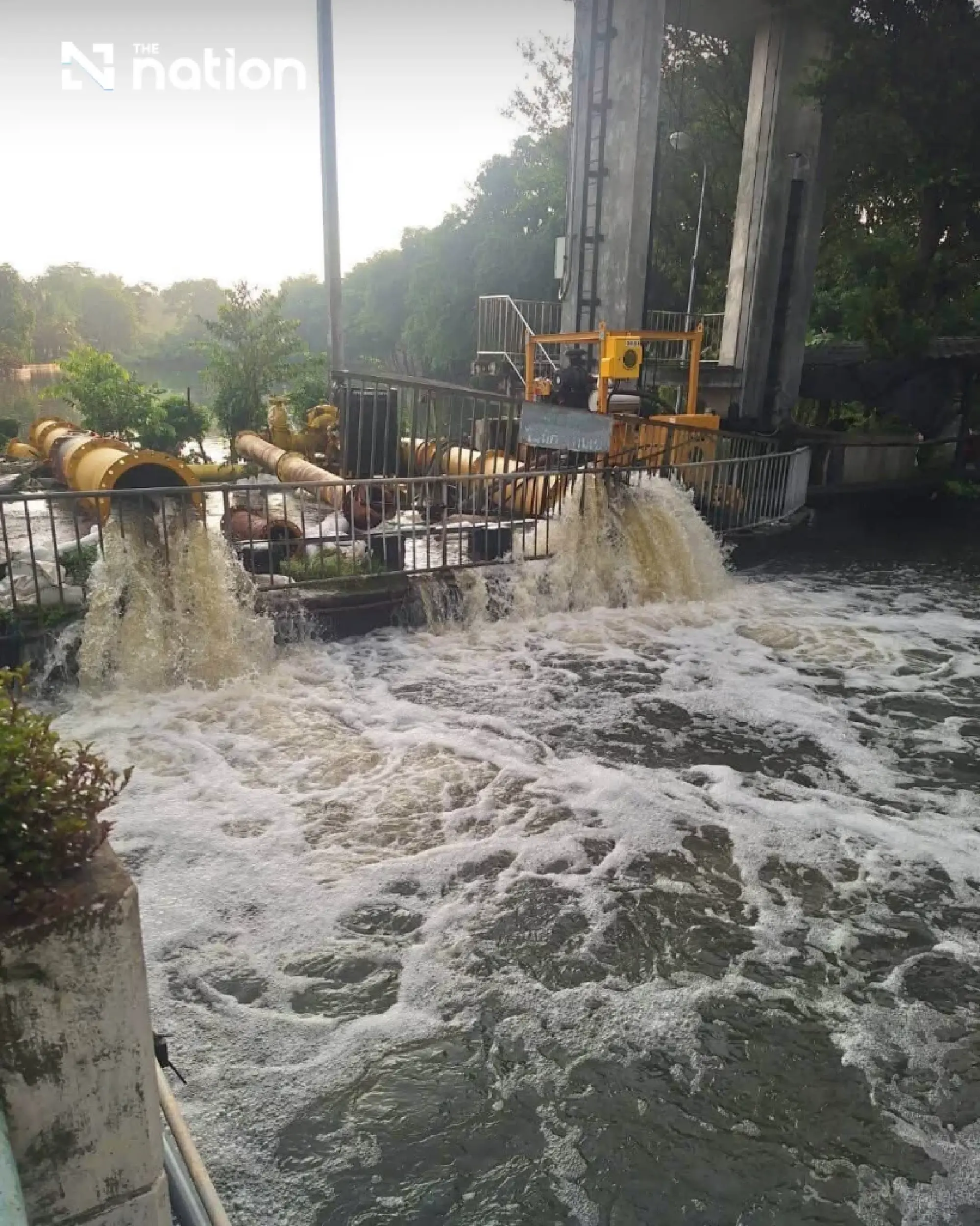
Eastern Bangkok remained particularly vulnerable because of accumulated water and continued inflows from Lat Krabang and neighbouring Chachoengsao province, Chadchart said.
Drainage through Prawet Burirom Canal remained slow as large volumes of water continued to arrive from the east. Bang Kapi and Lat Phrao also needed close monitoring because canal levels remained high, Chadchart said.
Bangkok could normally handle around 60–70 millimetres of rain, Chadchart said. With canals and retention areas already holding high water levels, rainfall of that magnitude could cause water to overflow and flooding to develop more quickly than usual.

Bangkok to step up drainage ahead of October 10–13 rain
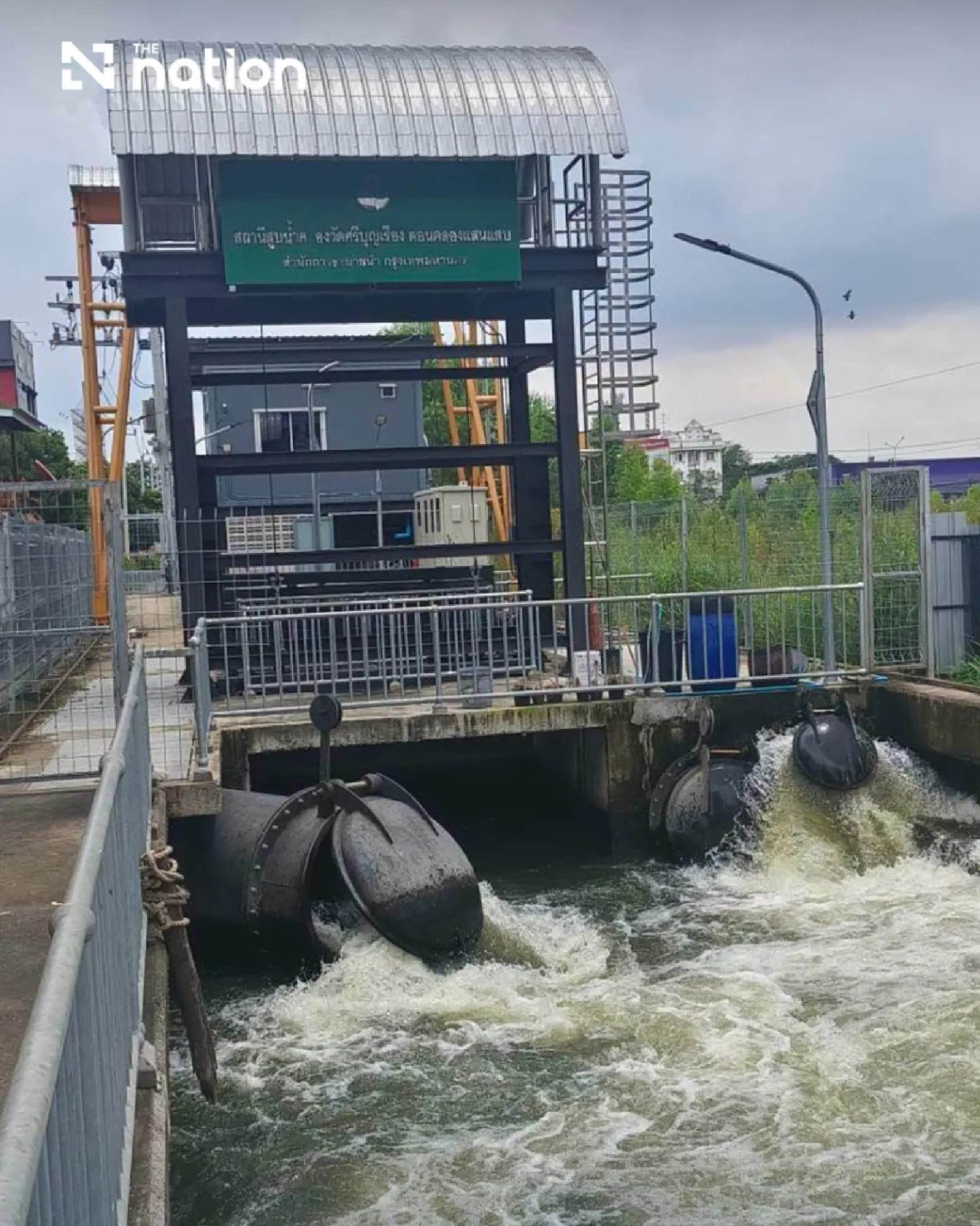
The Bangkok Metropolitan Administration (BMA) would speed up efforts to lower water levels in canals and retention areas as much as possible ahead of the expected increase in rainfall, Chadchart said.
Bangkok officials would inspect and repair heavily used pumps and move equipment from areas where flooding had eased to locations still struggling to drain, maximising drainage capacity.
Chadchart said close weather monitoring remained necessary because localised rain could still occur despite breaks between showers. Bangkok’s drainage systems also needed to be ready as the city prepared to host the World Bank and International Monetary Fund (IMF) meetings.

Bangkok plans flood alerts based on local conditions
The BMA plans to focus on “event-based alerts”, with rising water levels prompting advice for residents to raise belongings or prepare according to local risk, Chadchart said. The approach is intended to reflect actual conditions more closely and reduce unnecessary warnings.
Lessons from recent flooding showed that Bangkok needed more detailed warnings, Chadchart said. Existing alerts mainly cover areas near canals and waterways, while forecasts for flooding in specific housing estates and communities remain insufficiently precise.
Residents who notice water backing up from drains or other unusual conditions are asked to notify the BMA. Reports from the public would help officials monitor individual communities and housing estates, as authorities cannot continuously inspect every drain.
The BMA is also developing and using models to analyse flood-prone areas, improve drainage management and support more location-specific warnings. Chadchart stressed that accuracy was essential to avoid unnecessary alarm caused by incorrect alerts.

Nong Chok receives food and medical aid as pumping continues
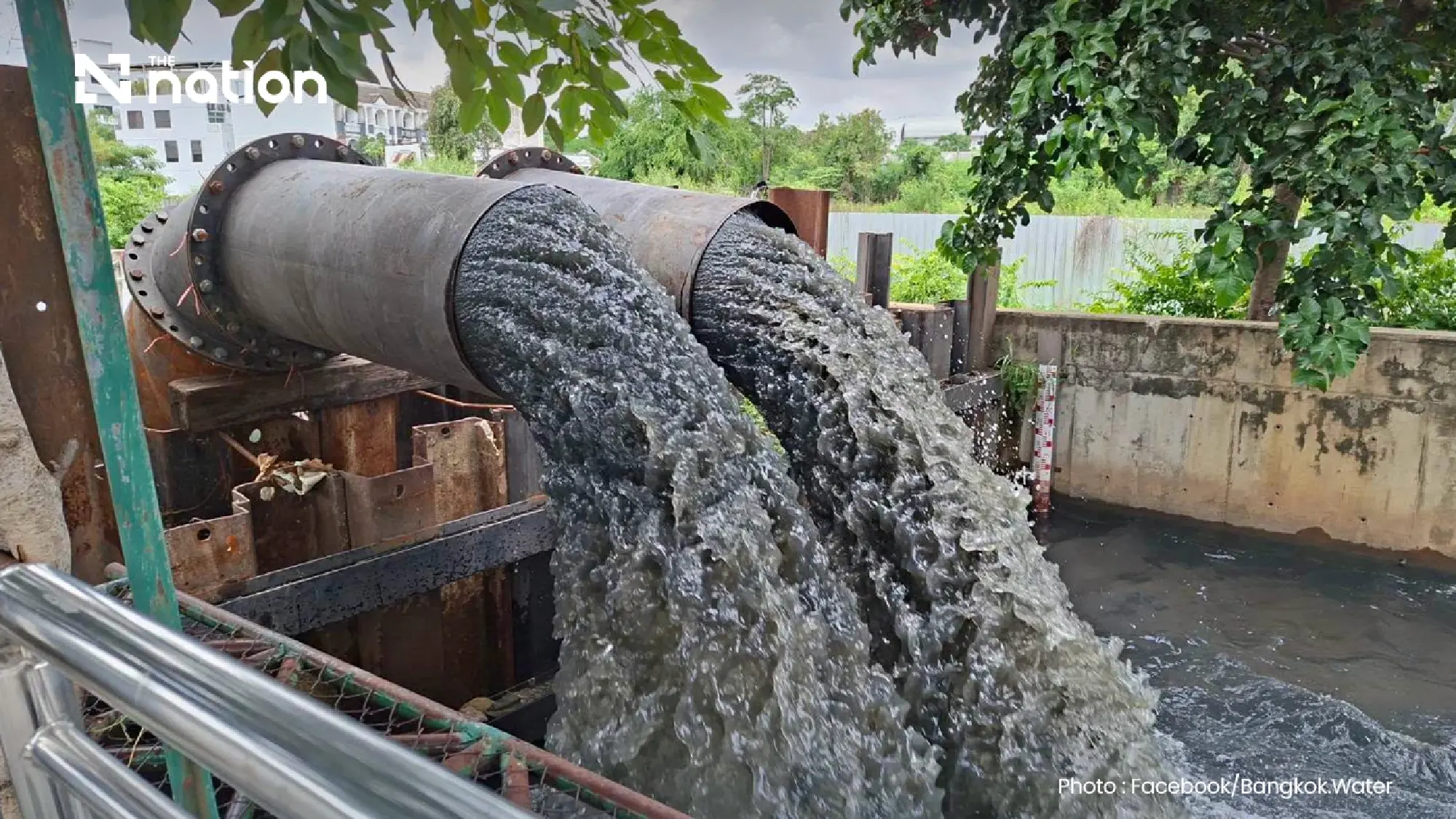
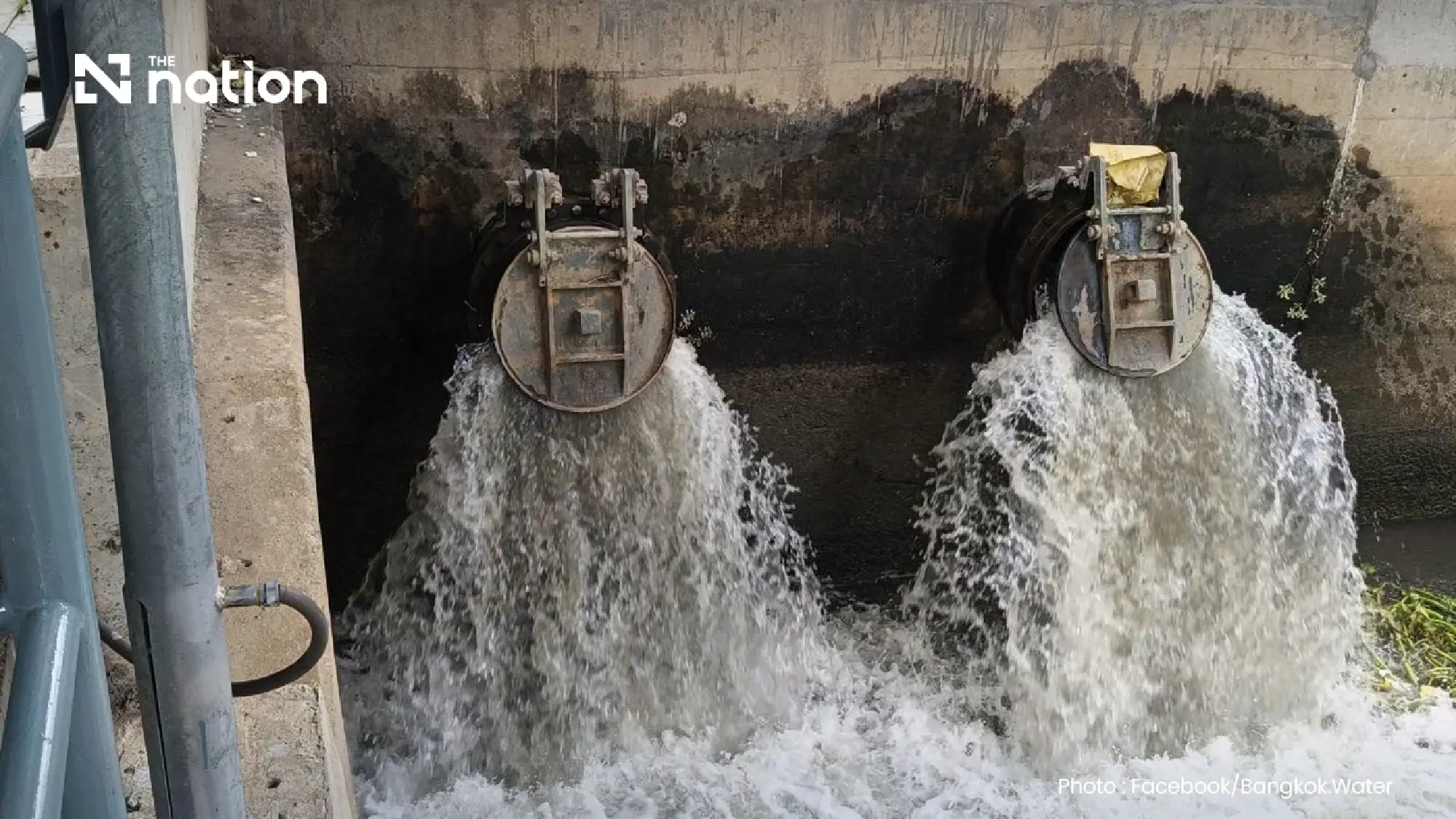
The BMA is mobilising food, essential supplies and medical assistance for areas still affected by flooding, particularly Nong Chok in eastern Bangkok. Officials are also installing and operating pumps to speed up drainage.
Chadchart said Bangkok was not the only area still affected, with floodwater remaining in several locations in Chachoengsao, Pathum Thani and Samut Prakan.

Bangkok authorities would direct more resources towards the worst-affected areas, gradually transferring personnel and equipment from locations where conditions had improved to communities still needing help.
The BMA would continue working at full capacity to assist residents and minimise the impact, Chadchart said, although natural constraints and the volume of water remaining in affected areas could make drainage slower than expected.
